
Paw & Memory Journal · Connection, culture & community
A Place to Keep the Story: Remembering Quietly, Sharing Carefully
A reflection on keeping an animal’s story meaningful and findable while choosing carefully who may see it.
19 December 2025
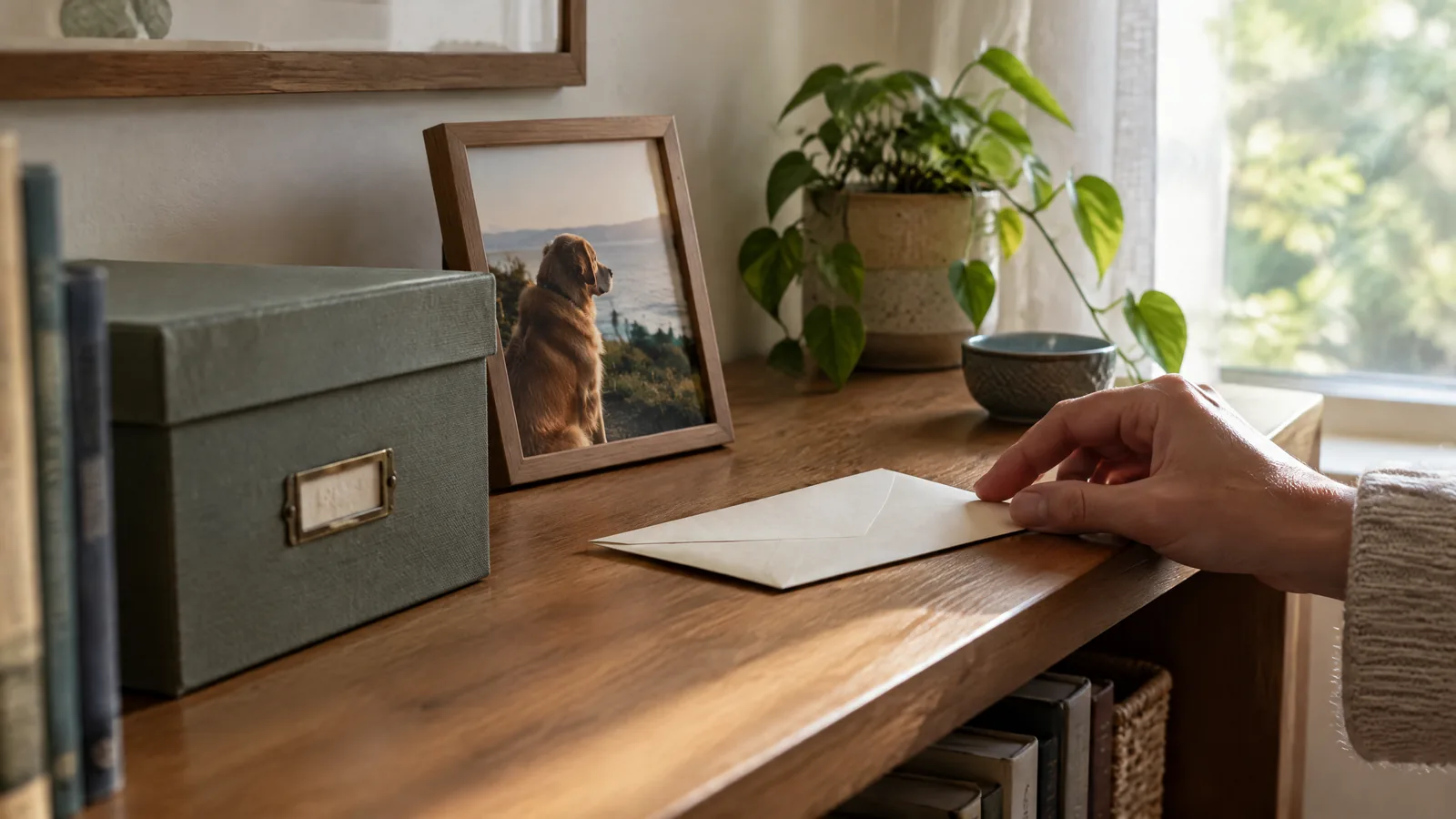
A memory can be cherished without being made public. Private folders, physical keepsakes, and small circles of invited readers each hold different possibilities—and different questions about whose stories and images are included.
Some stories seem to ask for a place of their own: not necessarily a public page, but somewhere a person can return to a photograph, a letter, or a few remembered details without having to search through everything else. For many, a beloved animal’s story belongs among the ordinary records of a shared life. Family papers and photographs have long been kept with the hope that they may be available to people in the future. That modest idea can include an animal’s picture or the small keepsake that gathers meaning over time. It does not require an audience, and it does not promise that any particular file, service, or object will last forever. Rather, it leaves room for a story to be held with care, in a form that feels personal and findable to those who are meant to encounter it. The distinction matters: a memory can be important even when it is not visible to everyone.
A clearly named private folder, a carefully stored physical keepsake, a backup, or a small circle of invited readers may each offer a different kind of closeness. None is automatically permanent or entirely secure. Services change, accounts become inaccessible, links travel farther than expected, and physical objects can be misplaced or affected by their surroundings. Naming a folder in a meaningful but not overly revealing way can make its contents easier to recognize, while a plain description can help someone understand what is there. At the same time, searchable titles and captions need not carry intimate details. A short, simple label may be enough. The point is not to turn remembrance into a technical project, or to find a perfect container. It is to recognize that the place where a story is kept shapes who can find it, how it can be encountered, and whether it still feels like the right place as circumstances shift.
A story may include more than one person’s memories. A photograph can show someone besides the animal; a message may contain private words; a familiar setting may identify a home or a routine. Even when a person has a copy of an image or letter, that does not necessarily settle every question about sharing it more widely. Keeping something for oneself and redistributing it to others are different acts, and the wishes of the people represented deserve consideration. Before an image or story travels beyond its original audience, it can help to be clear about who appears in it, who created or supplied it, and what audience is intended. Permission is not a single rule that fits every country, circumstance, or kind of material. Guidance written for organizations may offer useful context, but it is not personal legal advice, and some published guidance is under review. The gentler principle is to avoid assuming that possession means permission, or that a private setting means no one else’s,.
Inviting someone into a memory can be an expression of connection, but sharing need not be the measure of how much a life mattered. Some people may want a story preserved within a household; others may welcome a few trusted readers, while choosing not to post names, identifying details, or a full memorial publicly. Preferences can change, and an audience that once felt comfortable may later feel too broad. Revisiting who has access is less a declaration that the story has changed than an acknowledgment that relationships, accounts, and needs are not fixed. A small description or an accessible filename can help the intended reader locate what is kept without turning private details into a public search result. There may be tenderness in leaving a place for a story and equal tenderness in keeping its door closed to most people. The choice can remain personal, deliberate, and open to revision—an act of stewardship that honors both the animal remembered and the people whose lives the story
Continue reading
Related articles.

Connection, culture & community · 22 December 2025
The Stories We Return To: Remembering a Companion in Our Own Time
A companion’s story can remain woven through ordinary days, shared places and the memories people choose to revisit—or leave resting for a while.
Read this article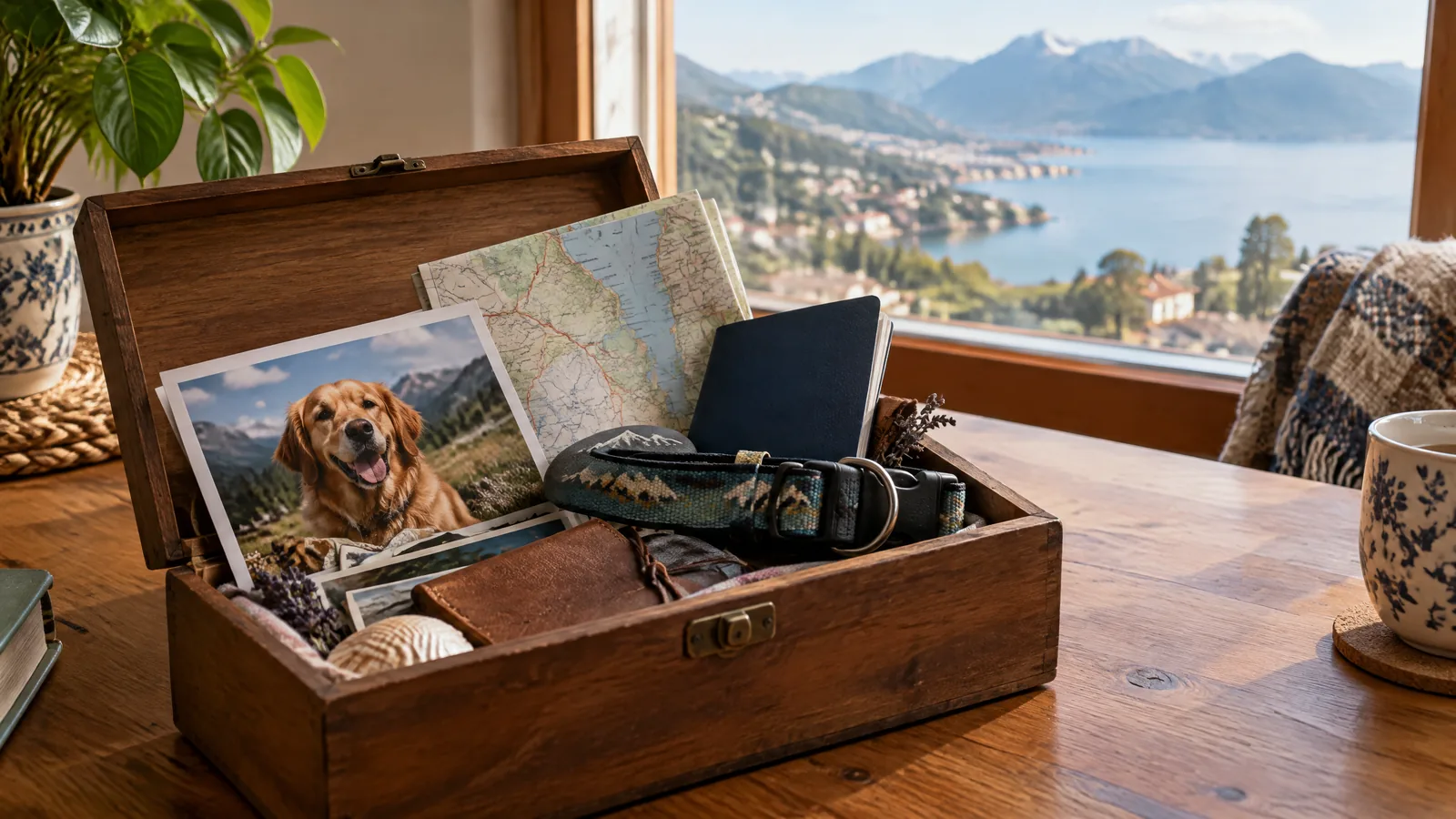
Connection, culture & community · 17 December 2025
The Places We Carried Home: Remembering a Pet Across Borders
Across moves, languages, and changing homes, a pet’s place in a household story can offer a gentle way to remember what traveled—and what changed.
Read this article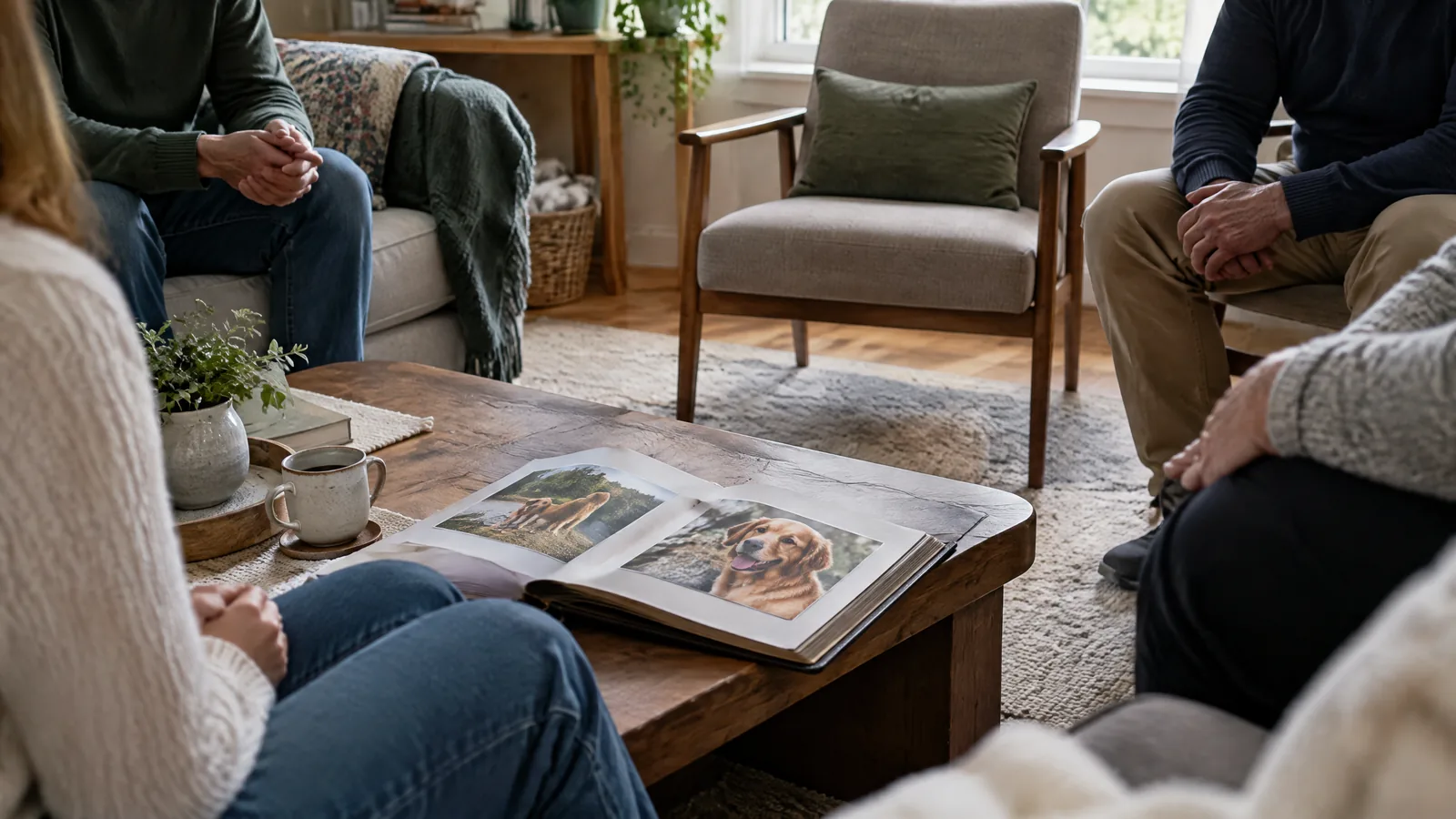
Connection, culture & community · 15 December 2025
A Place at the Edge of the Circle
A shared remembrance can leave room for presence, quiet distance, and every choice in between.
Read this articleA place for their story
Remember a life, one link at a time.
Explore Paw & Memory at the address below, or scan the QR code to open the memorial starting point in your browser.
Explore memorials Scan or visitpawmemory.live/