
Paw & Memory Journal · Lifestyle, Nutrition & Fitness
Catnip and the Language of Individual Difference
Catnip offers a small window into a larger question: how writing about cats can acknowledge variation without turning a general account into a prediction about one animal.
16 March 2026
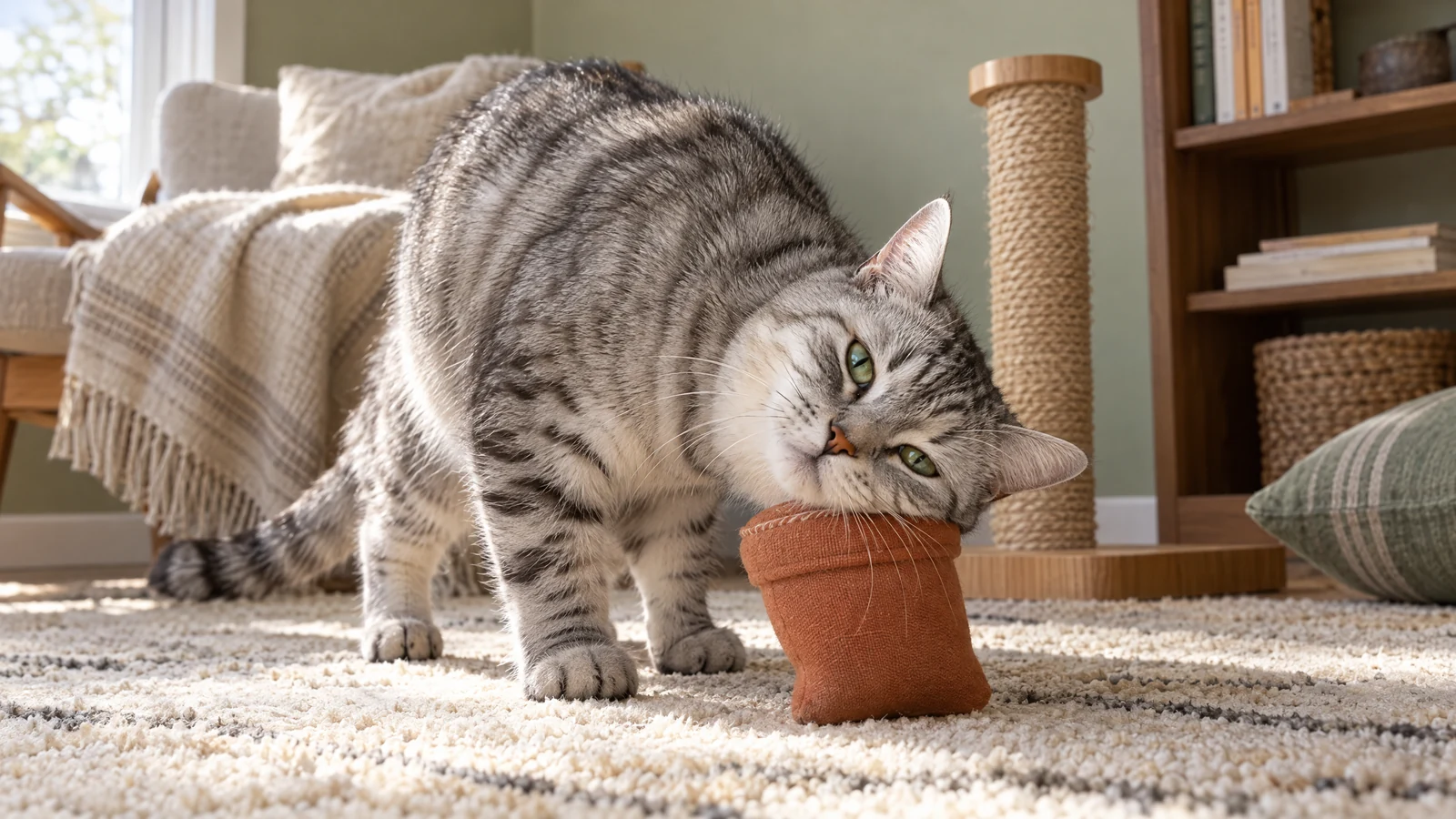
Public discussions of catnip often focus on a familiar image rather than the limits of what that image can explain. A more thoughtful reading leaves room for individual difference, uncertainty, and the distinction between a research question and a personal conclusion.
Catnip is a plant with a prominent place in writing about cats. Its botanical name is Nepeta cataria, and it belongs to the mint family. Beyond that straightforward description, the subject becomes a question of how individual differences are represented. The familiar image of a cat with a catnip toy can make the topic seem simpler than the published discussion around it. A general account, however, is not a portrait of every cat, and a memorable image is not a complete explanation.
Published discussions of catnip consider variation rather than a single universal response. Genetics and scent perception appear among the questions explored in this literature. These are areas of inquiry, not ready-made explanations for a particular animal. The distinction matters because an account of possible influences can easily sound more conclusive when shortened into a headline. Warm, accessible writing can preserve the interest of the subject while leaving its unanswered questions visible.
The scale of the research also shapes what an article can responsibly say. One study discussed in the underlying material involved six adult cats and examined several plant scents. That scope is part of the meaning of the work, rather than a detail separate from it. A small group provides a bounded setting for investigation; it does not supply a complete account of cats everywhere. Descriptions of the research remain most faithful when they distinguish the question explored from the broader conclusions a reader might be tempted to draw.
Catnip therefore offers a useful subject for reflection on the language surrounding companion animals. Words such as preference and variation leave more room for complexity than sweeping accounts of what cats love. There is no need for a dramatic story or a universal rule to make the subject engaging. Its interest lies partly in the gap between a familiar cultural image and a careful account of the evidence. Individual questions belong with a qualified veterinary professional, while a general article can remain a thoughtful introduction to the topic.
Continue reading
Related articles.
Lifestyle, Nutrition & Fitness · 23 March 2026
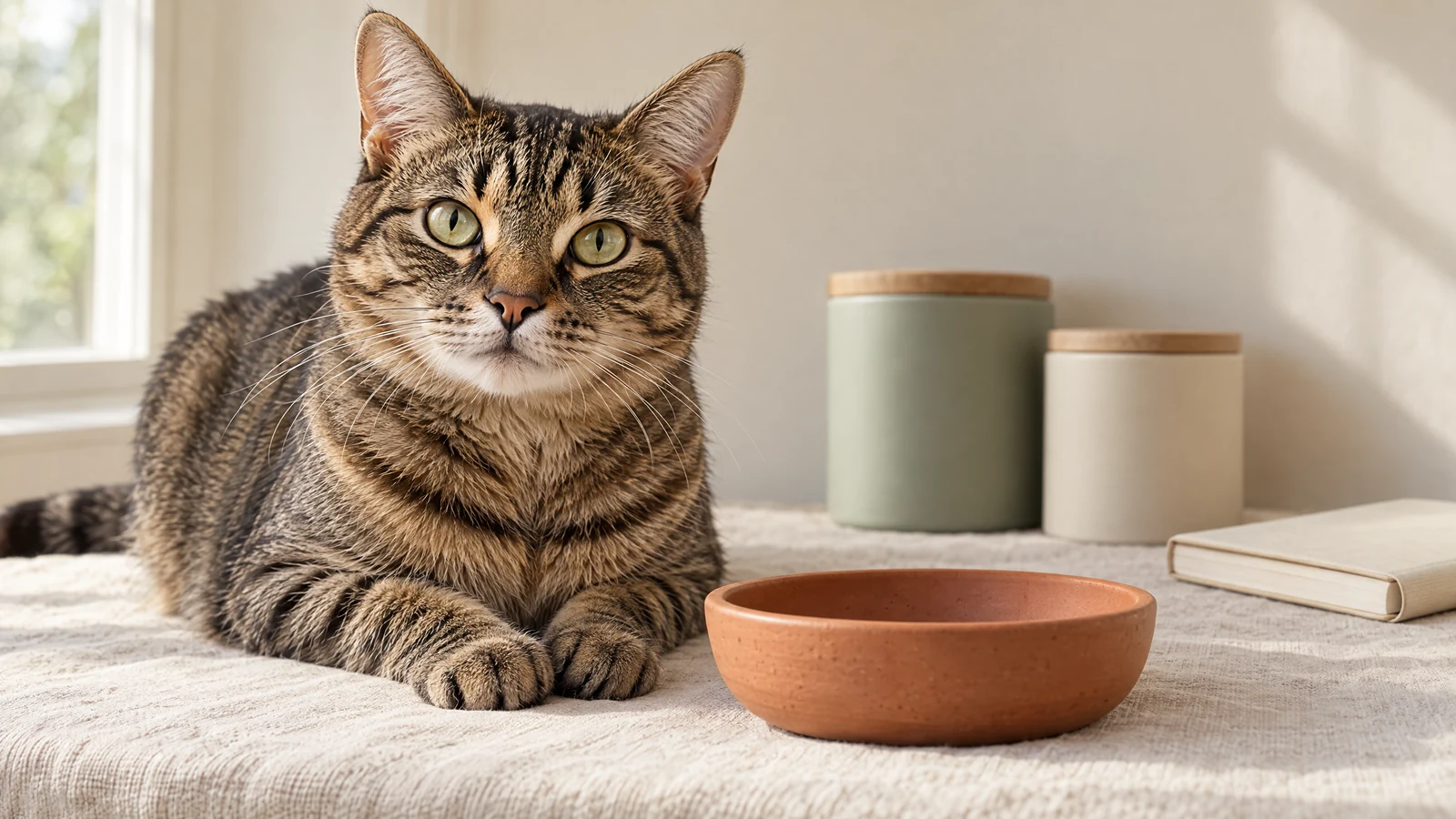
Cats, Carnivores, and the Language of Food Labels
A reflection on how feline food discussions bring together biological language, packaging terms, and human values, without turning those ideas into a recommendation.
Read this article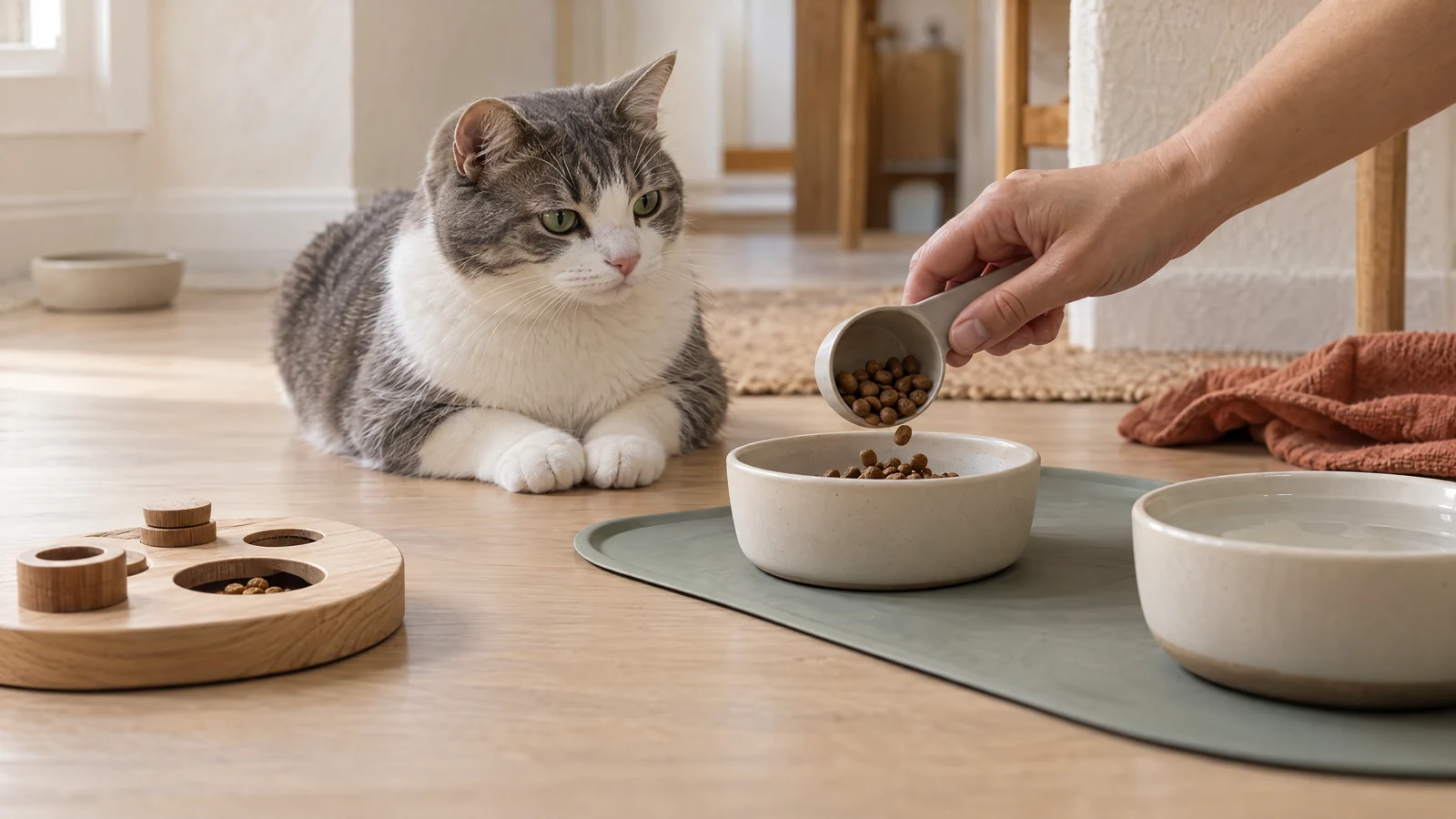
Lifestyle, Nutrition & Fitness · 20 March 2026
The Everyday Language of an Open Cat Bowl
Free-feeding is a familiar term in conversations about cats. Its meaning offers a starting point for reflecting on food bowls, shared homes and the difference between a general description and an individual answer.
Read this article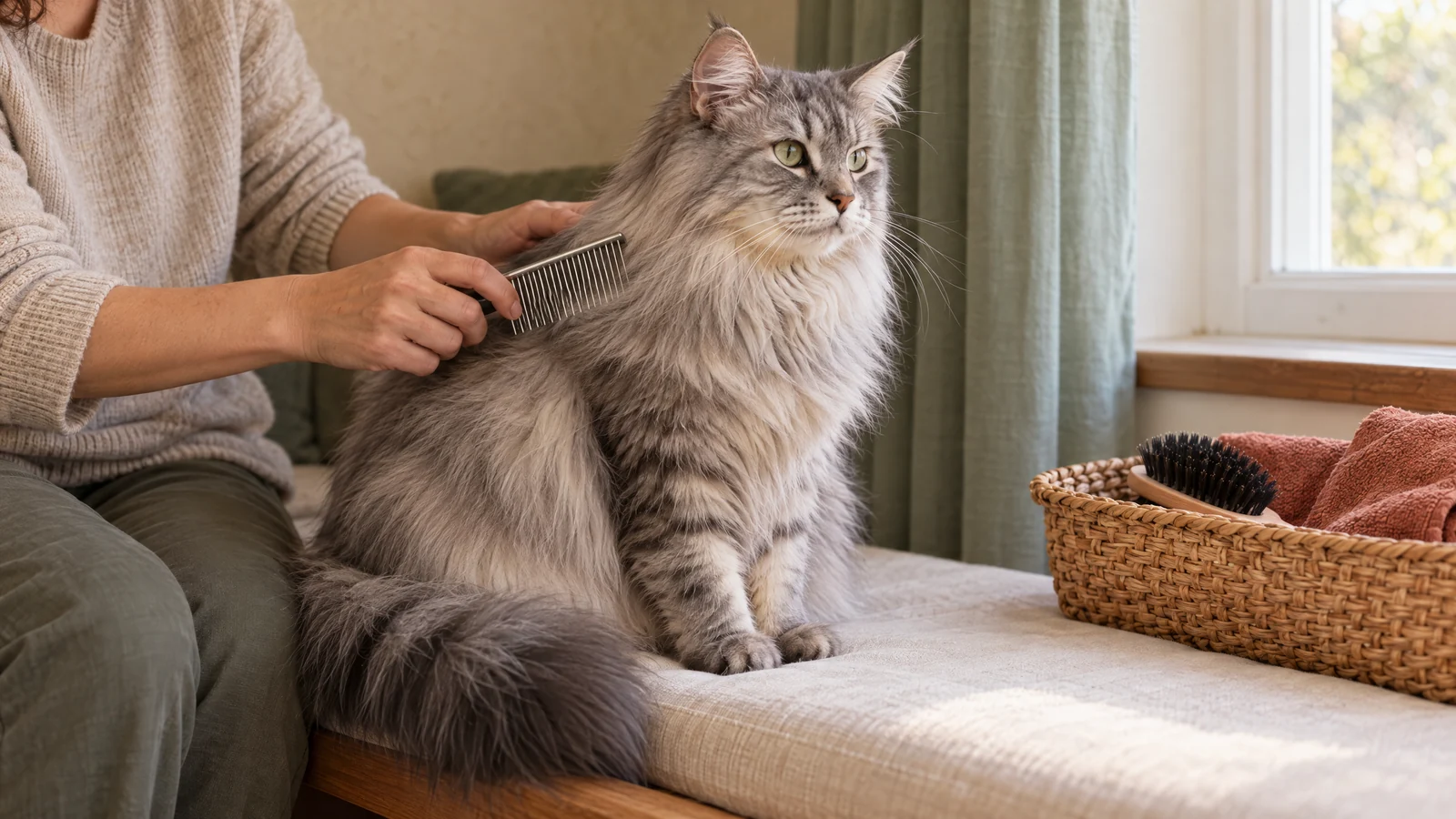
Lifestyle, Nutrition & Fitness · 18 March 2026
Long-Haired Cats Beyond the Picture-Perfect Coat
Long-haired cat coat care is often presented as a matter of appearance. A broader reading leaves room for individuality, the limits of general information, and a gentler idea of what an everyday coat represents.
Read this articleA place for their story
Remember a life, one link at a time.
Explore Paw & Memory at the address below, or scan the QR code to open the memorial starting point in your browser.
Explore memorials Scan or visitpawmemory.live/