
Paw & Memory Journal · Health & Medical Care
Senior Dog Checkups and the Meaning of Later Life
A reflection on the language of senior dog checkups, the place of individual history, and the distinction between general information and personal questions.
14 January 2026
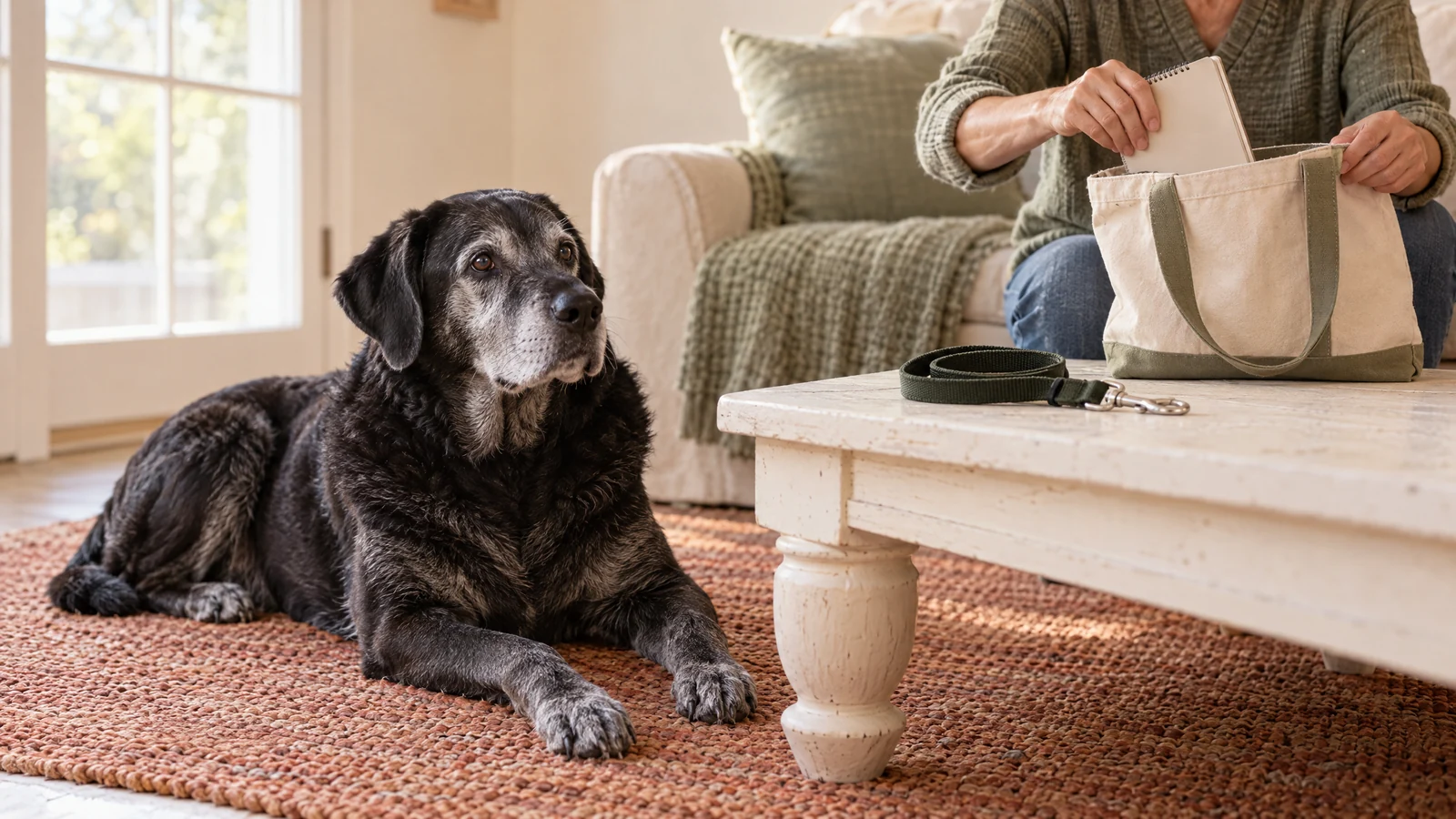
Senior dog checkups sit within a wider conversation about ageing and the years shared with a companion. General education can offer context for that conversation without turning later life into a fixed timetable or a set of instructions.
A senior dog checkup belongs to a subject that is both practical and deeply personal: later life with a familiar companion. The appointment has a place in veterinary writing, while the years surrounding it have a place in family memory. Keeping those two perspectives distinct allows a public article to discuss the subject without making claims about a particular dog. There is room for warmth here, but not for an invented account of what an appointment revealed or how an animal’s life changed afterward.
The word senior is a life-stage term, rather than a complete description of an animal. General writing about older dogs leaves room for differences in age, size, breed and history instead of presenting one birthday as a universal dividing line. That distinction matters to the language of checkups: a broad category is not the same thing as an individual account. The subject is therefore better understood as a conversation about later life than as a standard package that can be described identically for every dog.
Another theme in writing about senior checkups is the passage of time. An animal’s history and the everyday familiarity of a long relationship are different kinds of context, and neither needs to become an at-home method of interpretation. A reflection on this subject can acknowledge the importance of that history without listing bodily changes, assigning explanations or suggesting what should happen next. Individual questions belong with a qualified veterinary professional; general education remains separate from those personal questions.
Later life need not be written only in the language of decline, nor should it be wrapped in promises of reassurance. Senior dog checkups offer a distinct setting for discussing ageing, uncertainty and the limits of general information. The public-facing story is not a prediction about an animal’s future or an instruction for the household. It is an opportunity to use measured language about a meaningful stage of companionship, with respect for both the shared years and what a general article cannot know.
Continue reading
Related articles.
Health & Medical Care · 6 February 2026
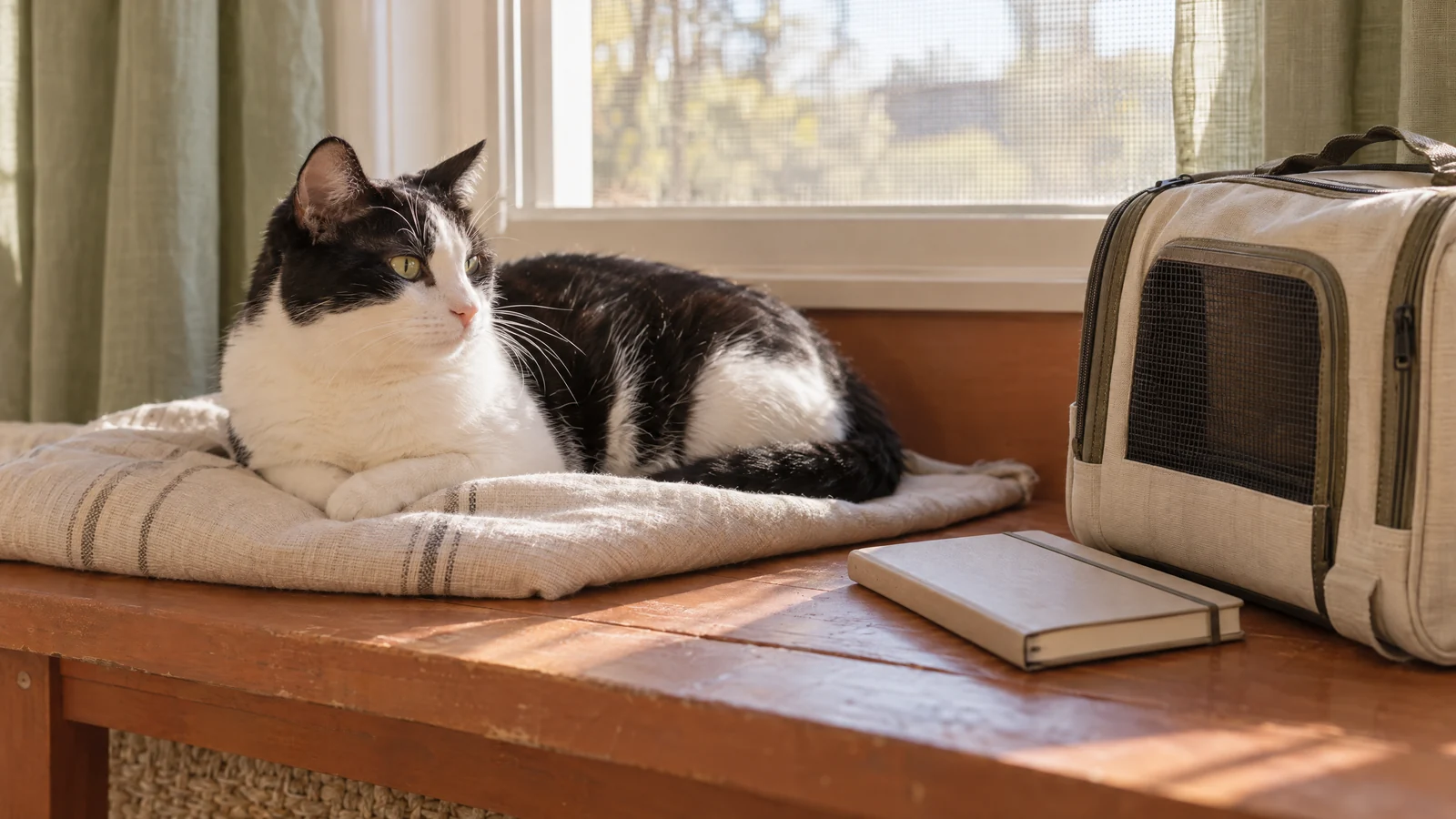
FeLV in Cats: The Language of Public Information
A reflection on how FeLV appears in feline-health writing, and the distinction between a general explanation and an individual cat’s story.
Read this article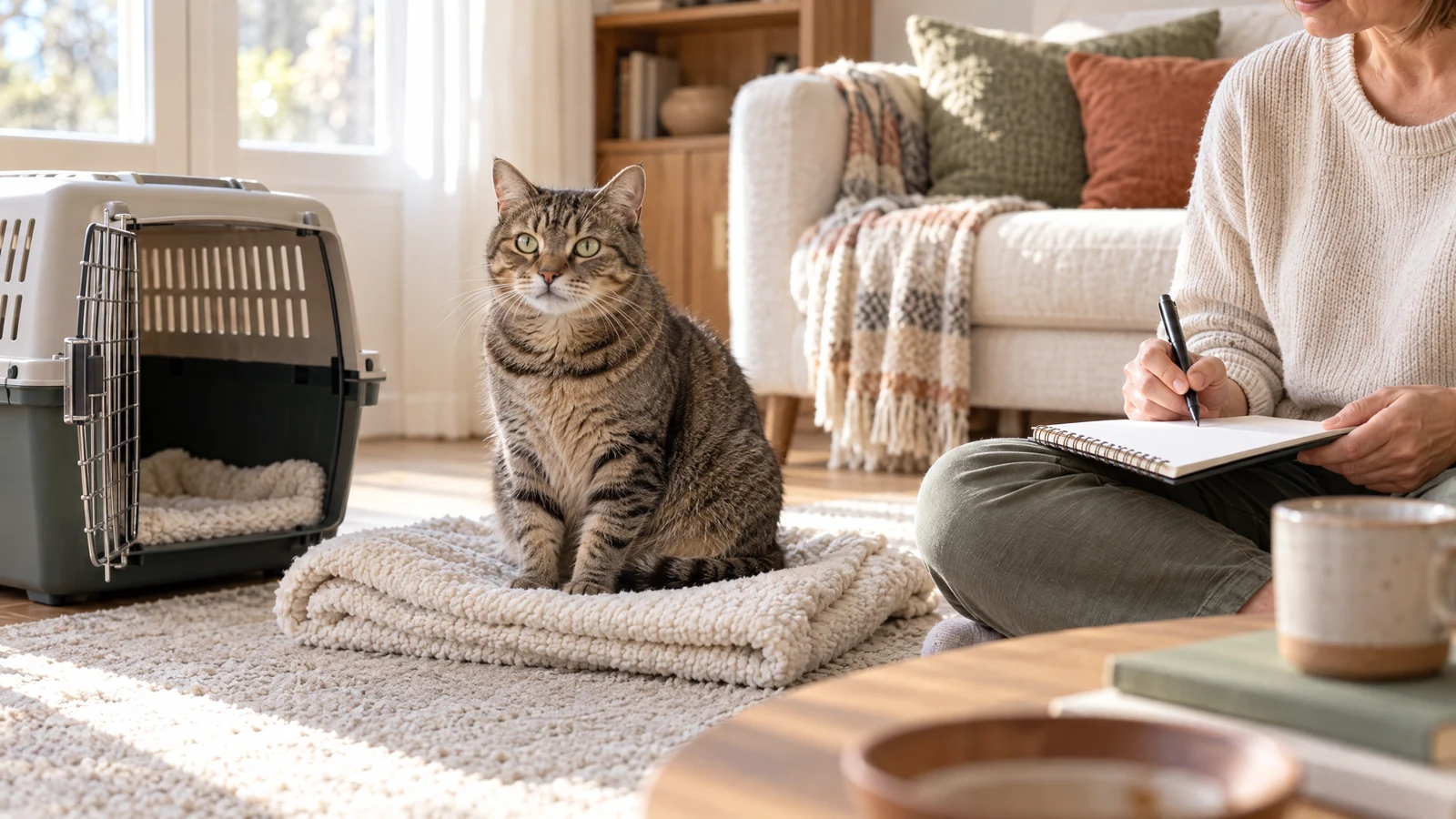
Health & Medical Care · 4 February 2026
Feline Diabetes and the Language of Understanding
A reflection on how public writing about feline diabetes can make room for context, uncertainty, and the cat beyond the medical subject.
Read this article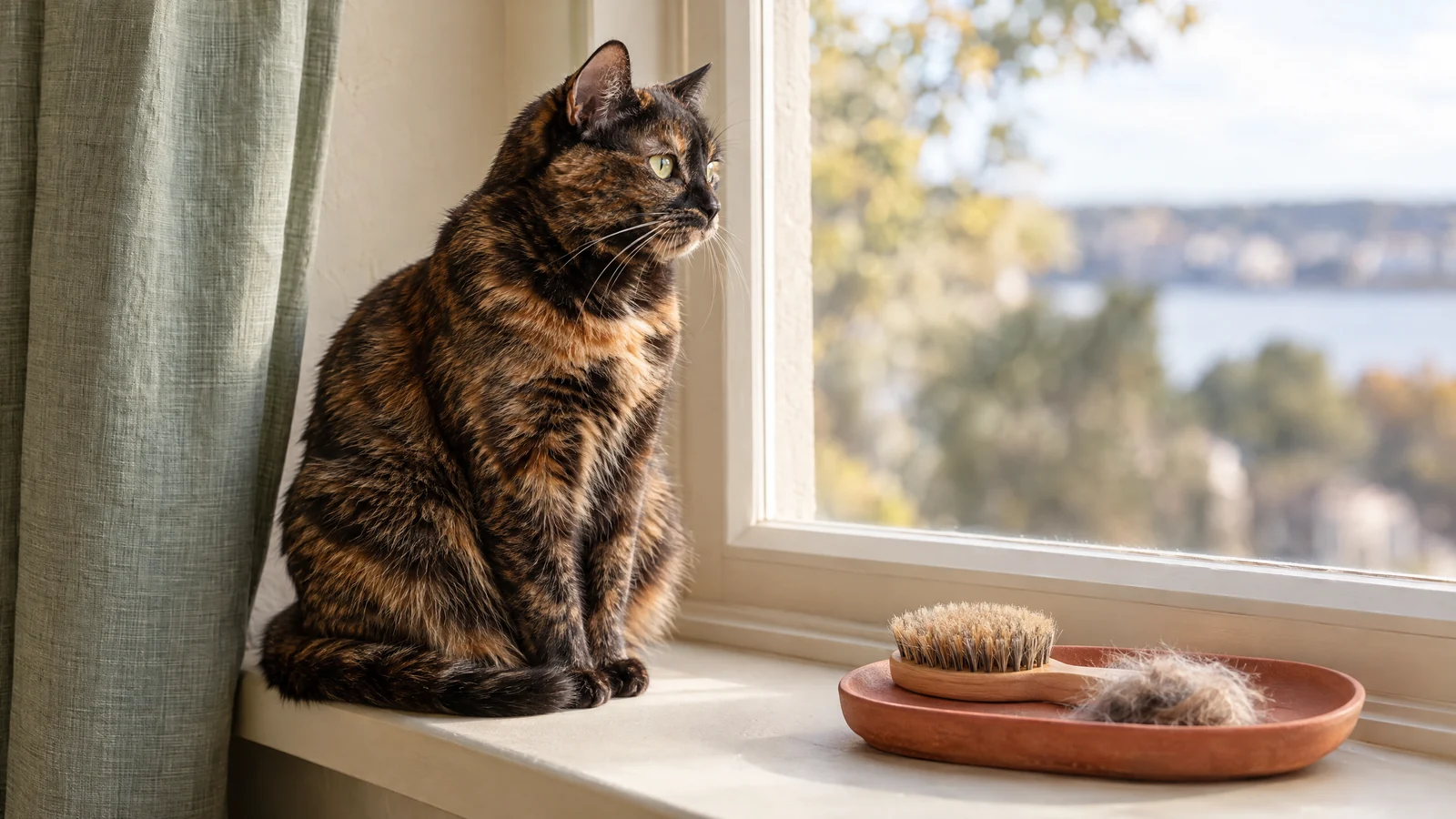
Health & Medical Care · 2 February 2026
Cat Hairballs and the Limits of a Familiar Label
Hairballs have a familiar place in conversations about cats. Looking at the language around them offers a quieter way to separate a broad topic from assumptions about an individual animal.
Read this articleA place for their story
Remember a life, one link at a time.
Explore Paw & Memory at the address below, or scan the QR code to open the memorial starting point in your browser.
Explore memorials Scan or visitpawmemory.live/