
Paw & Memory Journal · Photographs, records & digital legacy
The Small Records That Help Tell a Companion’s Story
A name, identifier, date, or change of keeper can offer a quiet thread through photographs and recollections, while remaining only one small part of a companion’s life.
17 September 2025
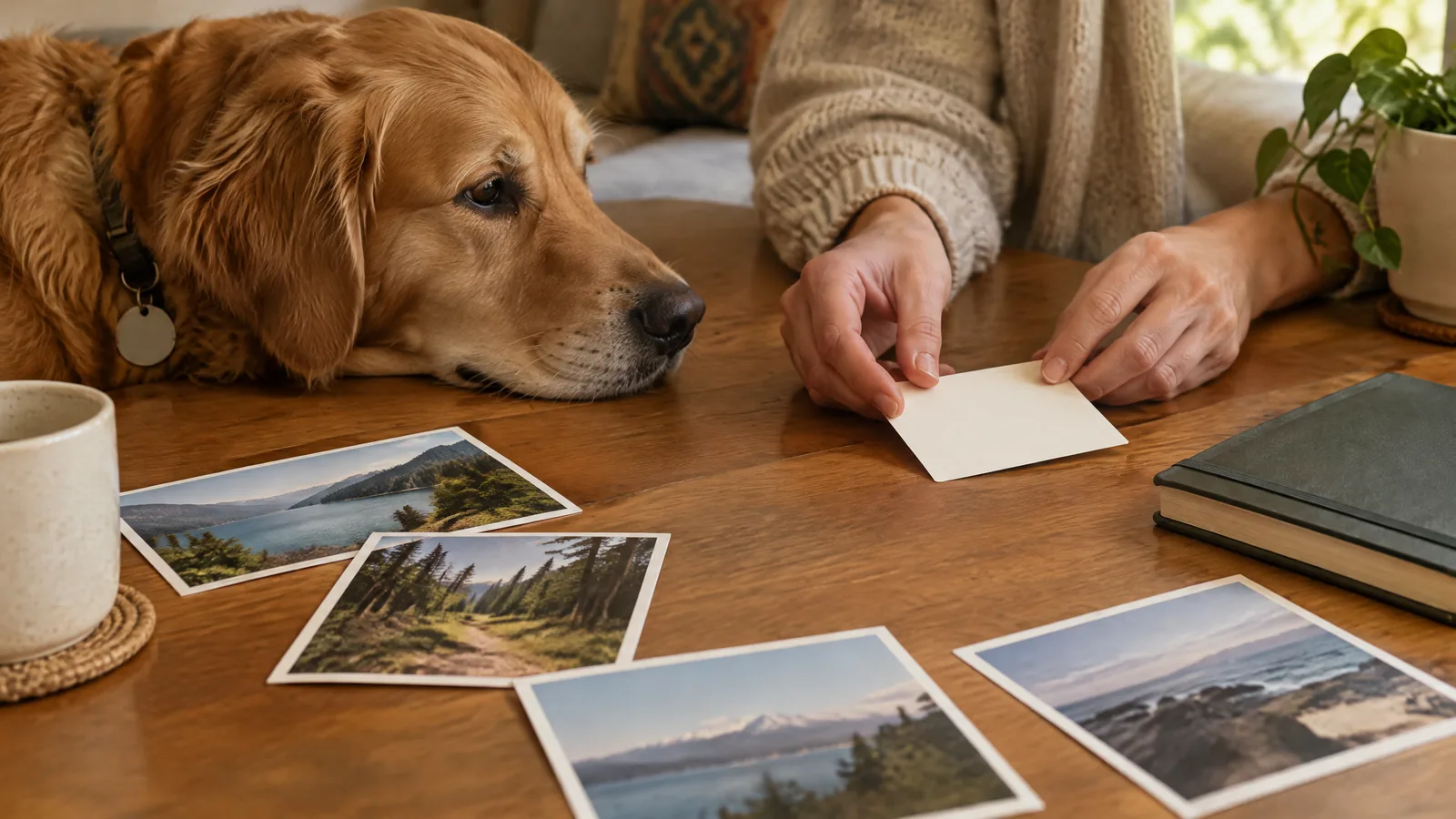
Identity records can help connect moments across time, especially when papers or digital files move between people. But a record is not a whole life: it holds selected details, while the texture of companionship remains in memories, relationships, and ordinary days.
A companion’s story rarely arrives in a tidy sequence. There may be photographs from different homes, a name that changed along the way, an adoption date remembered approximately, or a document tucked into a drawer whose significance becomes clearer years later. An identity record can provide a modest anchor among these fragments: a name, number, date, place, or note about a change in keeper. It may help connect one image to another, or distinguish one chapter from a similarly remembered season. Its usefulness need not be dramatic. Sometimes it simply preserves a detail that might otherwise blur. And yet the record is not the story itself. It is one small mark beside a life shared across routines, relationships, and time.
Some records are official or designed for identification; others are personal traces gathered in albums, folders, or digital archives. In a limited example, a microchip record can connect an animal with a specific identifying number that appears when the chip is scanned. That narrow function is worth keeping distinct from everything a number cannot say. It does not, on its own, describe a companion’s temperament, attachments, history, or the daily care surrounding them. Nor does an identifier settle every question about who has kept an animal or how a life has unfolded. Details can be missing, outdated, transferred, mistaken, or disputed. Requirements for identification also differ by place and animal, so a reflection on records should not be mistaken for a universal rule. The small record offers a point of reference, not a complete account or verdict.
For people piecing together a timeline, the gentle value of an identity record may be in the connections it makes possible. A date written on the back of a photograph might line up with a name in an old message; a change of keeper might explain why an album begins in one home and continues in another. In rescue, rehoming, shared caregiving, or community settings, records may travel between people, sometimes carrying both useful facts and gaps. The act of saving them can be meaningful, but it is not a test of devotion or responsible companionship. Not everyone has formal paperwork, a stable archive, or access to earlier details. Memory may be vivid in one place and uncertain in another. It can help to hold those kinds of knowledge separately: what a document states, what someone recalls, and what remains unknown. Neither recollection nor paperwork needs to erase the other.
There is a family resemblance between keeping companion records and the wider human habit of preserving names, dates, and fragments for those who come later. The analogy has limits: personal archives about an animal do not carry the same legal or historical weight as public records, and an identification entry is not a biography. Still, ordinary materials can become part of how a life is remembered—a photograph, a tag, a brief note, or a file passed along with other belongings. Privacy belongs in that picture, too. Address details, phone numbers, identifiers, and other personal information may be better kept private or obscured when images or archives are shared. What remains visible can be enough to suggest continuity without exposing more than intended. In the end, records preserve selected facts; relationships hold a wider, less easily catalogued history. A companion’s life exceeds every label attached to it, even as a small label or date may help someone find a thread through time.
Continue reading
Related articles.
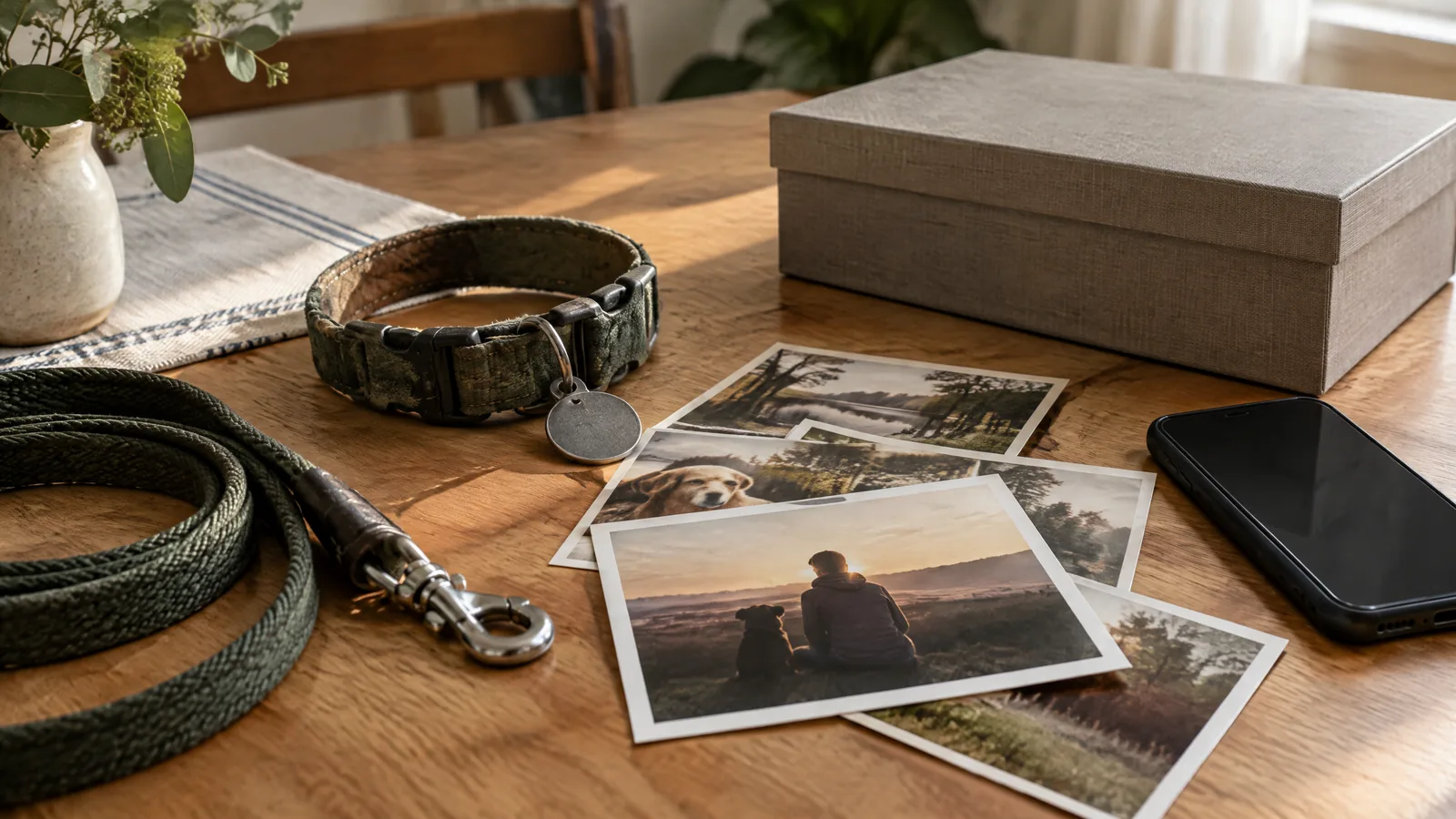
Photographs, records & digital legacy · 19 September 2025
The Small Things We Keep: Making a Family Archive of a Loved Pet
A collar, a tag, a lead, and a handful of photographs may hold different places in a family’s story.
Read this article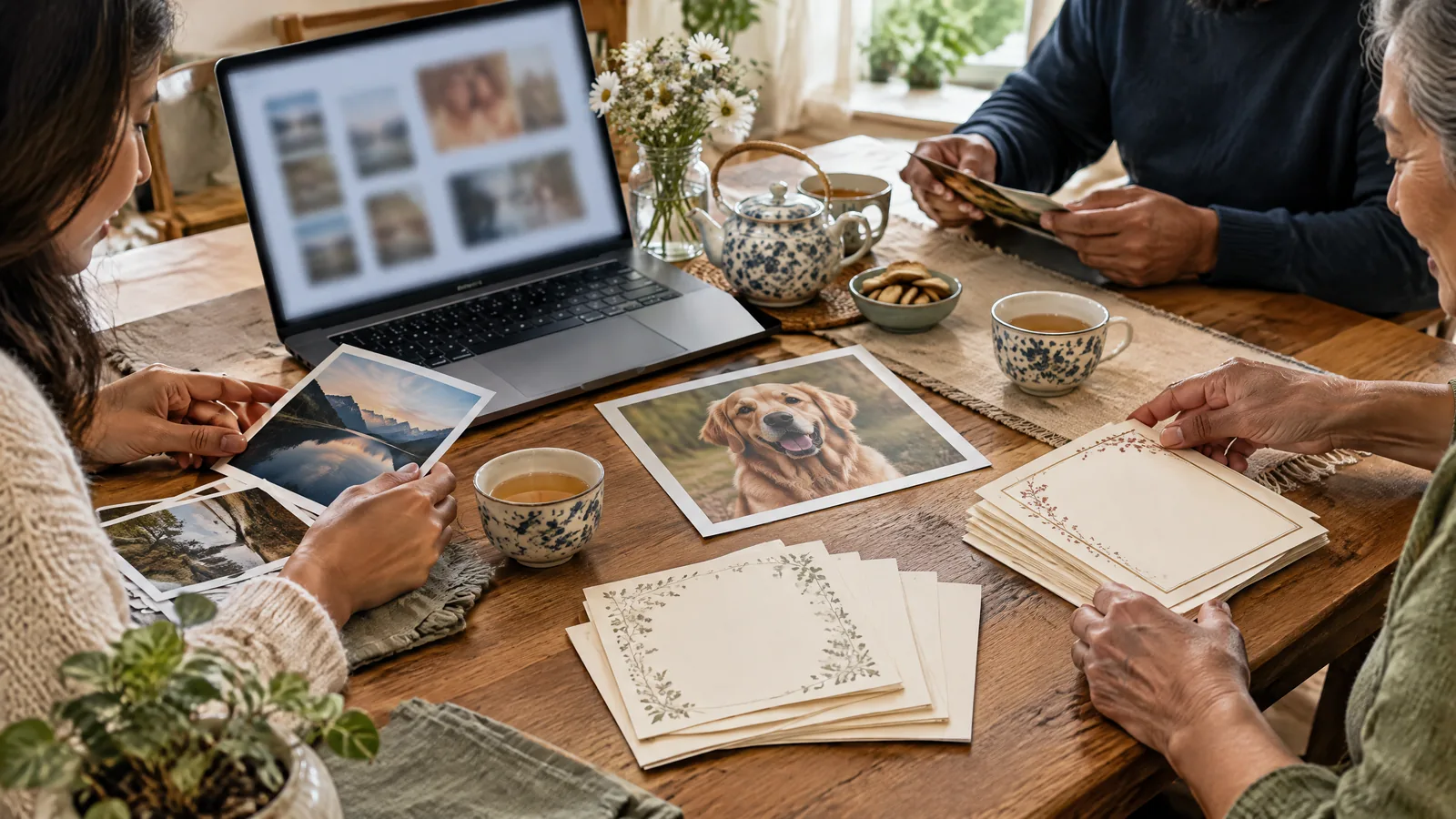
Photographs, records & digital legacy · 15 September 2025
A Memory Everyone Can Read: Making a Multilingual Pet Memorial Page Feel Like Home
A source-led reflection on keeping a memorial page understandable for a family in more than one language, and the ordinary details that can hold a companion’s story.
Read this article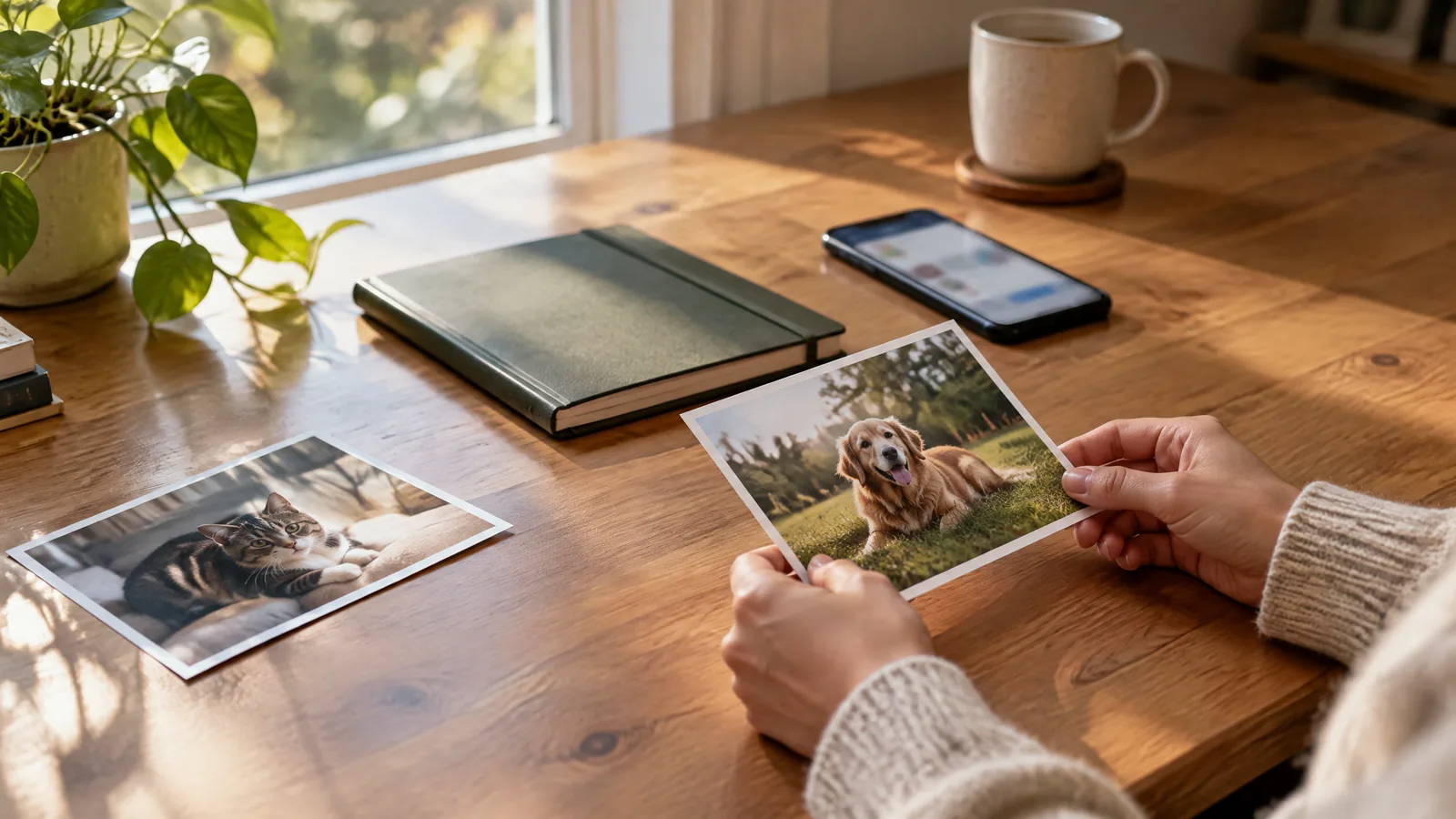
Photographs, records & digital legacy · 12 September 2025
Who Gets to Hold This Story? Choosing a Gentle Way to Share a Pet’s Memory
A pet’s memory can be held close, shared with a few people, or offered to a wider circle. The choice can remain yours.
Read this articleA place for their story
Remember a life, one link at a time.
Explore Paw & Memory at the address below, or scan the QR code to open the memorial starting point in your browser.
Explore memorials Scan or visitpawmemory.live/