
Paw & Memory Journal · starting a kind conversation about behaviour with a veterinary professional
A Kind Beginning for a Conversation About Behaviour
A conversation about behaviour can hold both clear questions and affection for the animal you know. There is room for everyday details, uncertainty, and the memories that give those details meaning.
24 October 2026

You do not have to sum up a whole companion in one word. A kind conversation about behaviour might begin with what you have noticed, what you are unsure of, and what you would like to ask your veterinary professional.
A kind conversation about behaviour might begin with a modest sentence: “There is something about our days together that I would like to talk about.” It need not begin with a label for your companion, or a claim that you know why something happens. Perhaps you have a question but feel awkward saying it aloud. Perhaps you worry that describing a hard moment will make the animal you love sound unlike themselves. There is room in the opening for both affection and uncertainty: “I love this part of our life, and I am not sure how to describe another part.” Neither sentence has to stand in for the whole relationship.
A note for your veterinary professional might hold a small scene rather than a conclusion. What did you actually see or hear? Where were you, and who else was there? Which details do you remember clearly, and which are hazy? These are possible questions for the page, not a demand to record every minute. A date, a place, and a few plain words might be all you wish to bring. “I noticed this on Tuesday while we were in the hall” leaves the reason open. “I think it meant this” is a different kind of sentence. Your question might simply be, “Which of these details would you like me to explain further?”
The conversation can also make room for the ordinary character you want the professional to know. What does a familiar day look like in your words? Which shared moments matter to you? An imagined photograph might show a cat occupying the only chair with a folded jumper on it, looking as though the seat had been booked well in advance. The smile belongs to the household story, not to an explanation of the cat. A reader might ask, “Would it be useful to describe our usual day alongside the moment I am asking about?” Or, “Is there anything about the setting that you would like me to clarify?” The questions leave the answers open.
Kindness can include the person doing the asking, too. The words you want to use may feel caught between loyalty to your companion and honesty about your own experience. One possible opening is, “I am finding this difficult to put into words, and I do not want to guess at the reason.” Another is, “I have heard several explanations, but I would like to ask you rather than choose one myself.” There is no need for the draft of a question to sound polished. You might also wonder, “Could you explain that word in everyday language?” or, “Have I understood what you mean?” These are questions about understanding, not attempts to supply an answer.
For someone remembering a companion, this topic may touch an old conversation, a note kept in a drawer, or a question that never quite found its words. A remembered life need not become a case to be solved. The photograph on the shelf can remain a photograph: a face, a place, a day you shared. If you choose to speak with a veterinary professional about a past conversation, your question might concern what was said or what a particular word meant, without asking memory to provide details it cannot hold. You are also allowed to leave the notebook closed. Remembrance can hold affection and unanswered questions without turning either one into a verdict.
For a companion beside you now, a first conversation might end with a question about the conversation itself: “What would you like to know that I have not mentioned?” You might want to ask whether a note or an existing photograph would be useful, rather than decide what it proves. There may be something you wish to say about your household, your uncertainty, or the part of your companion’s character that you hope has not been lost in the telling. None of this asks you to find the explanation yourself. The opening can stay small and sincere: “Here is what I noticed. Here is what I do not know. Here is what I would like to ask.”
Continue reading
Related articles.
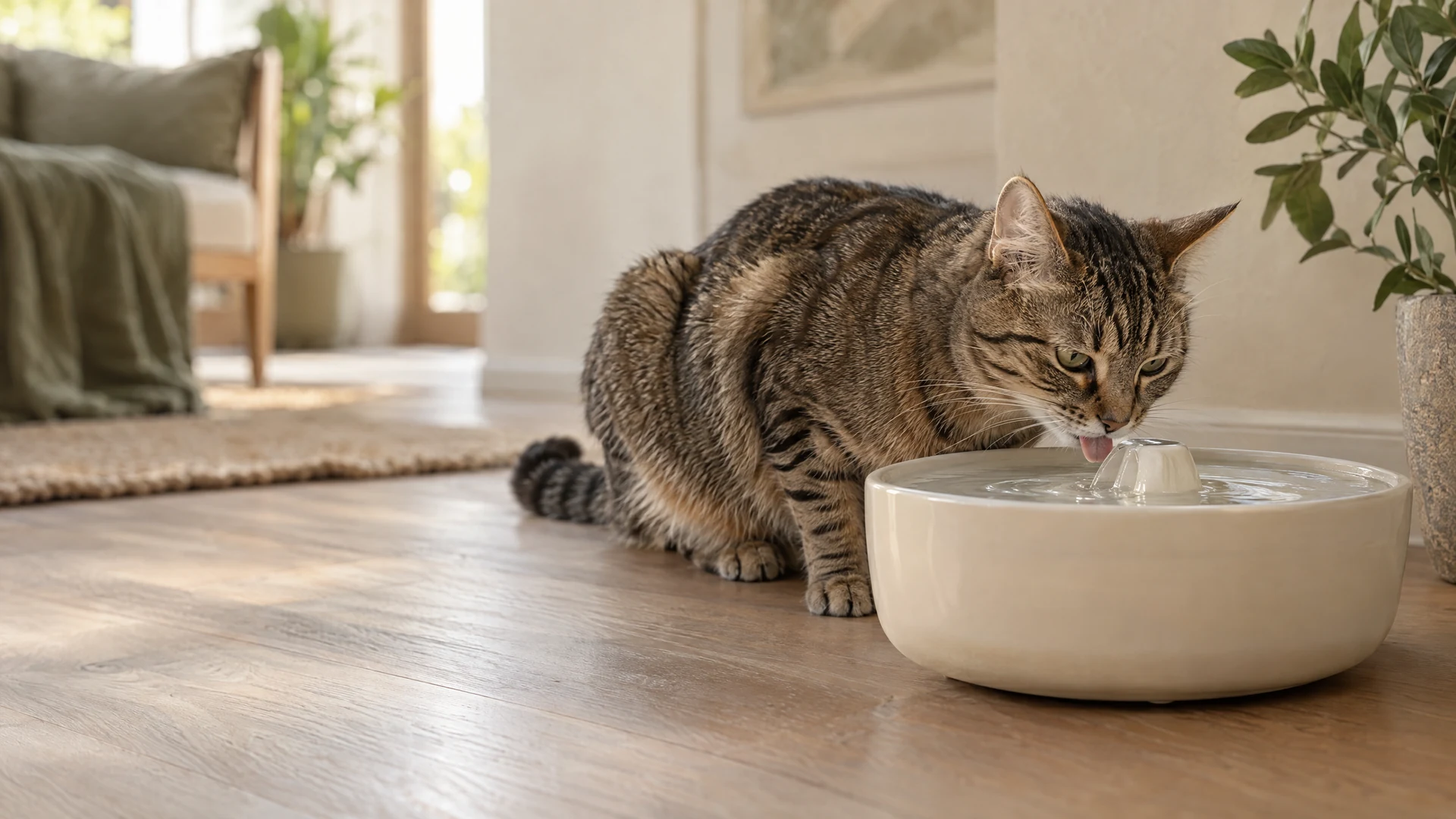
Cat wellbeing & hydration · 24 October 2026
Why Your Cat Isn’t Drinking Water—and How a Fountain May Help
A quiet, source-led look at individual drinking preferences, everyday water choices and why a fountain may suit some cats—not every cat.
Read this article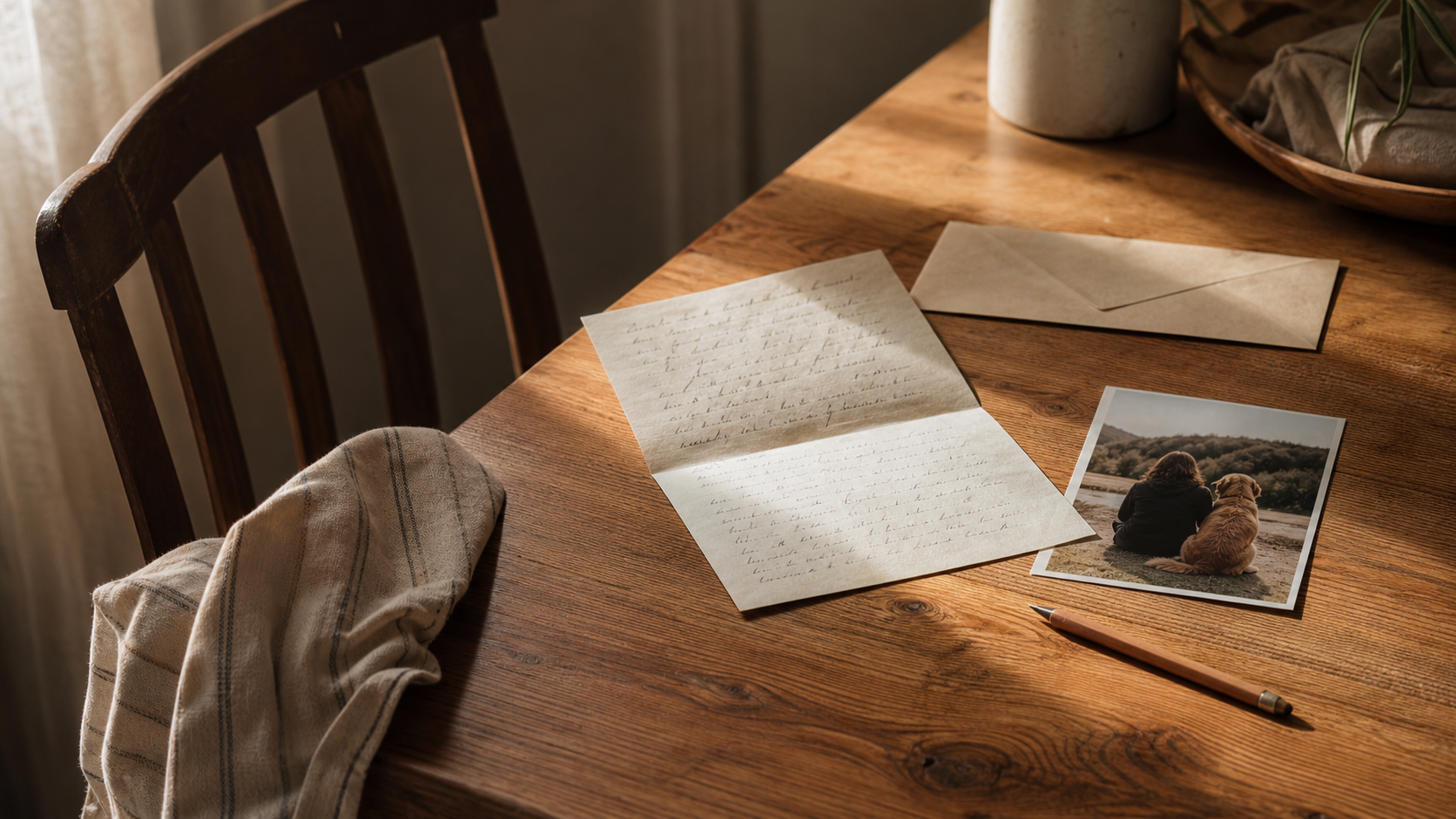
letters and the words we keep · 24 October 2026
Letters and the Words We Keep
A letter can hold a greeting, a small household detail, or something that was hard to say aloud. The words we keep make room for both remembrance and the daily pleasure of knowing a companion.
Read this article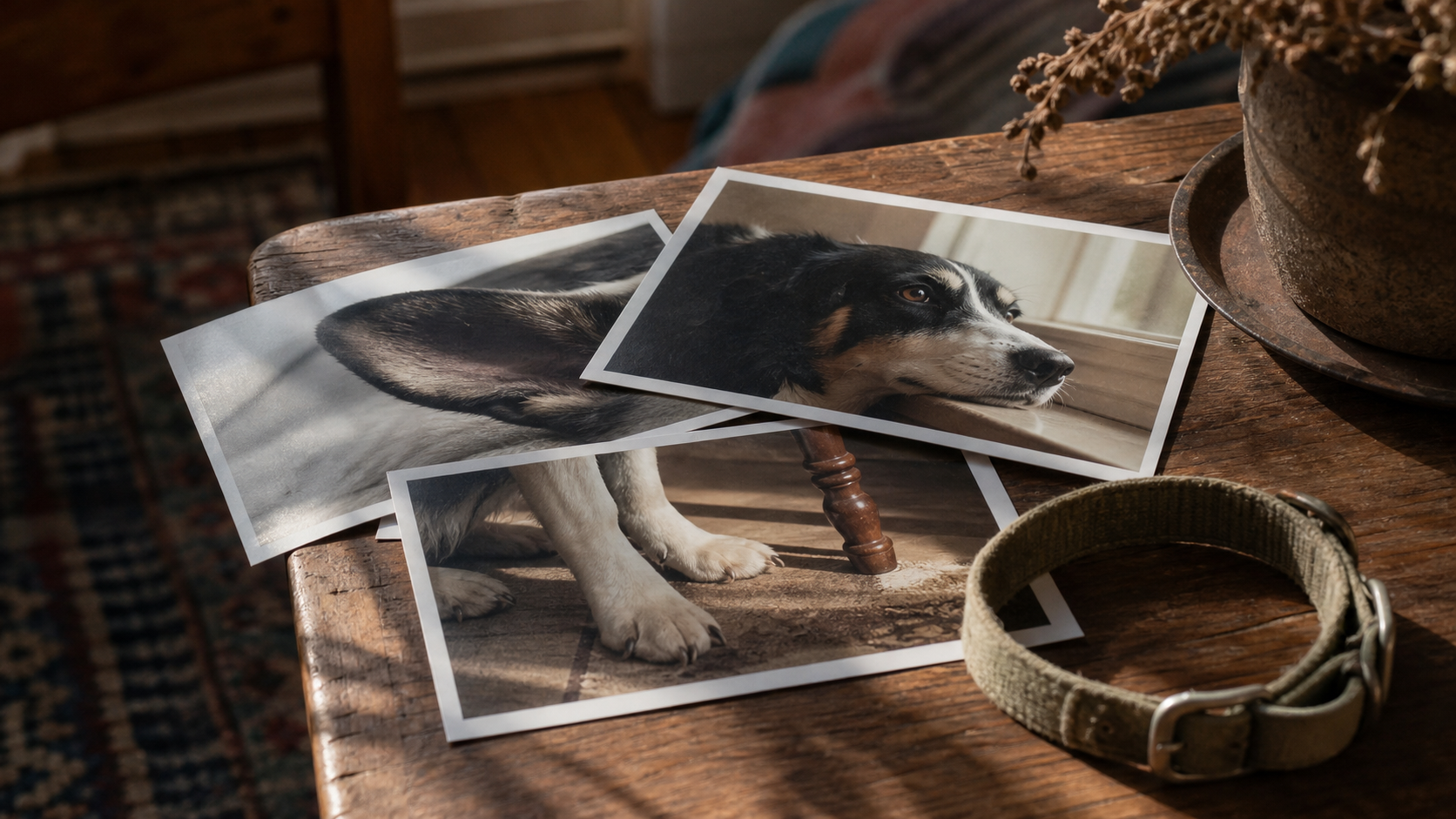
photographs and small moments · 24 October 2026
The Small Moments in the Frame
Some photographs hold an occasion. Others hold a crooked ear, a familiar chair, or the quiet company of an ordinary afternoon. Both belong in the story.
Read this articleA place for their story
Remember a life, one link at a time.
Explore Paw & Memory at the address below, or scan the QR code to open the memorial starting point in your browser.
Explore memorials Scan or visitpawmemory.live/