
Paw & Memory Journal · Connection, culture & community
Beyond the Breed Label: Meeting the Dog in Front of Us
Breed histories can connect dogs to human work, culture and memory. They can also leave much unsaid about the individual animal before us.
17 November 2025
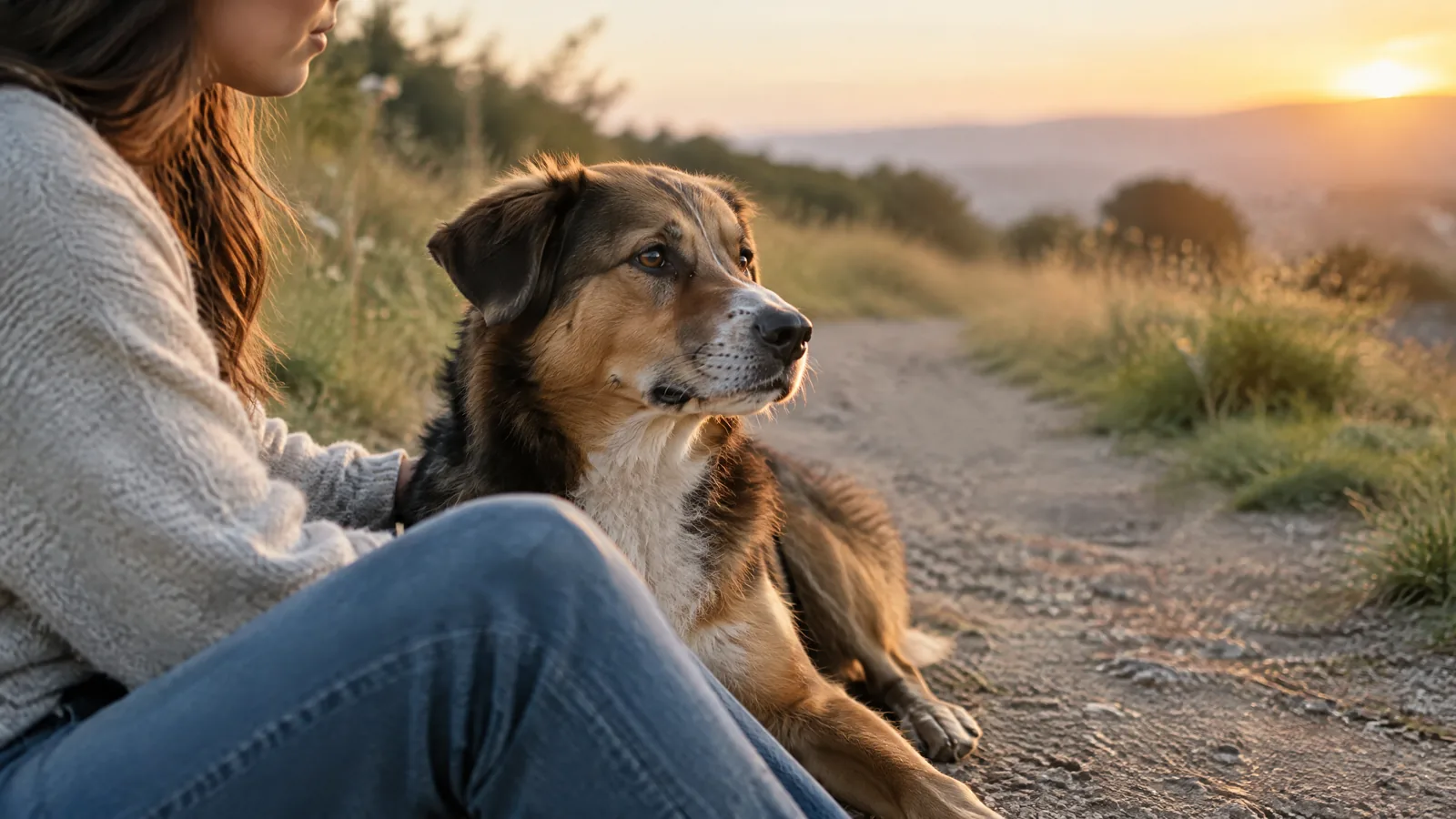
A breed label may open a window onto shared history, but it is not a portrait of one dog. Holding those ideas together makes room for curiosity without turning ancestry, appearance or reputation into a prediction.
A breed label can feel like a small doorway into a much larger human story. Behind familiar names and silhouettes are histories of migration, work, trade, companionship, fashion and the changing ways communities have lived alongside dogs. Some dogs were shaped by particular tasks; others became part of local traditions or family memory. Those histories matter. They remind us that dogs have not existed apart from people, and that the words used to describe them carry traces of human choices. Yet a doorway is not the whole house. A label may offer a broad cultural or historical frame, but it cannot tell us everything about the particular dog standing in front of us. Keeping both ideas in view—shared history and individual life—allows curiosity without turning a category into a complete portrait.
The words themselves are not interchangeable. Breed may refer to a recognized lineage or set of conventions; type may describe a resemblance or broad grouping; pedigree concerns recorded ancestry; appearance is what a dog looks like; and genetic ancestry is another kind of account altogether. These categories can overlap, but one does not automatically establish the others. A dog may resemble a familiar breed without a known family record, while a label on paper cannot capture every influence that has shaped an individual life. Even the historical record can be partial. It may reflect which people had the power to name, document and preserve a story, rather than every community’s knowledge or relationship with dogs. This is especially worth remembering when histories touch Indigenous knowledge and colonial accounts. Respectful curiosity includes recognizing that a surviving written record may not be the only perspective, and that gaps in the record are not permission to fill them with.
One narrow point is worth holding carefully: broad claims about breed-associated qualities, including whether a dog is suited to life with children, should not replace attention to that dog’s own personality and needs. That caution does not erase breed history; it marks the boundary between historical context and prediction. A past working role, a standard, a popular image or a story repeated across generations may help explain how people have imagined a kind of dog. It cannot promise how any particular animal will respond, relate or change. Nor should a dog be expected to perform a role simply because a label suggests it. When generalizations become shortcuts, they can crowd out the details that make an individual distinct: the relationships around them, the experiences they have had, and the choices they make in the moment. Humility begins with admitting what a name cannot disclose.
Perhaps the most generous use of a breed label is as an invitation to ask better questions, not to reach a verdict. What human history might this word carry? Whose account shaped it, and whose might be missing? What does the label illuminate, and what remains unknown about this particular dog? Those questions make room for culture and memory without requiring every dog to fit a story inherited from the past. They also return attention to the animal as an individual rather than an emblem of a category. There is no need to choose between honoring shared histories and noticing difference. Both can be true: dogs are part of long, entangled human histories, and no broad label can stand in for the whole life of one dog. Meeting that tension with care keeps the story open.
Continue reading
Related articles.

Connection, culture & community · 22 December 2025
The Stories We Return To: Remembering a Companion in Our Own Time
A companion’s story can remain woven through ordinary days, shared places and the memories people choose to revisit—or leave resting for a while.
Read this article
Connection, culture & community · 19 December 2025
A Place to Keep the Story: Remembering Quietly, Sharing Carefully
A reflection on keeping an animal’s story meaningful and findable while choosing carefully who may see it.
Read this article
Connection, culture & community · 17 December 2025
The Places We Carried Home: Remembering a Pet Across Borders
Across moves, languages, and changing homes, a pet’s place in a household story can offer a gentle way to remember what traveled—and what changed.
Read this articleA place for their story
Remember a life, one link at a time.
Explore Paw & Memory at the address below, or scan the QR code to open the memorial starting point in your browser.
Explore memorials Scan or visitpawmemory.live/