
Paw & Memory Journal · Shared stories & family life
The Kindness of Showing Up: Gentle Messages When Someone Loses a Loved One
A thoughtful message cannot remove the ache of loss, but it can let someone know they have not been forgotten or left to carry every moment alone.
27 October 2025
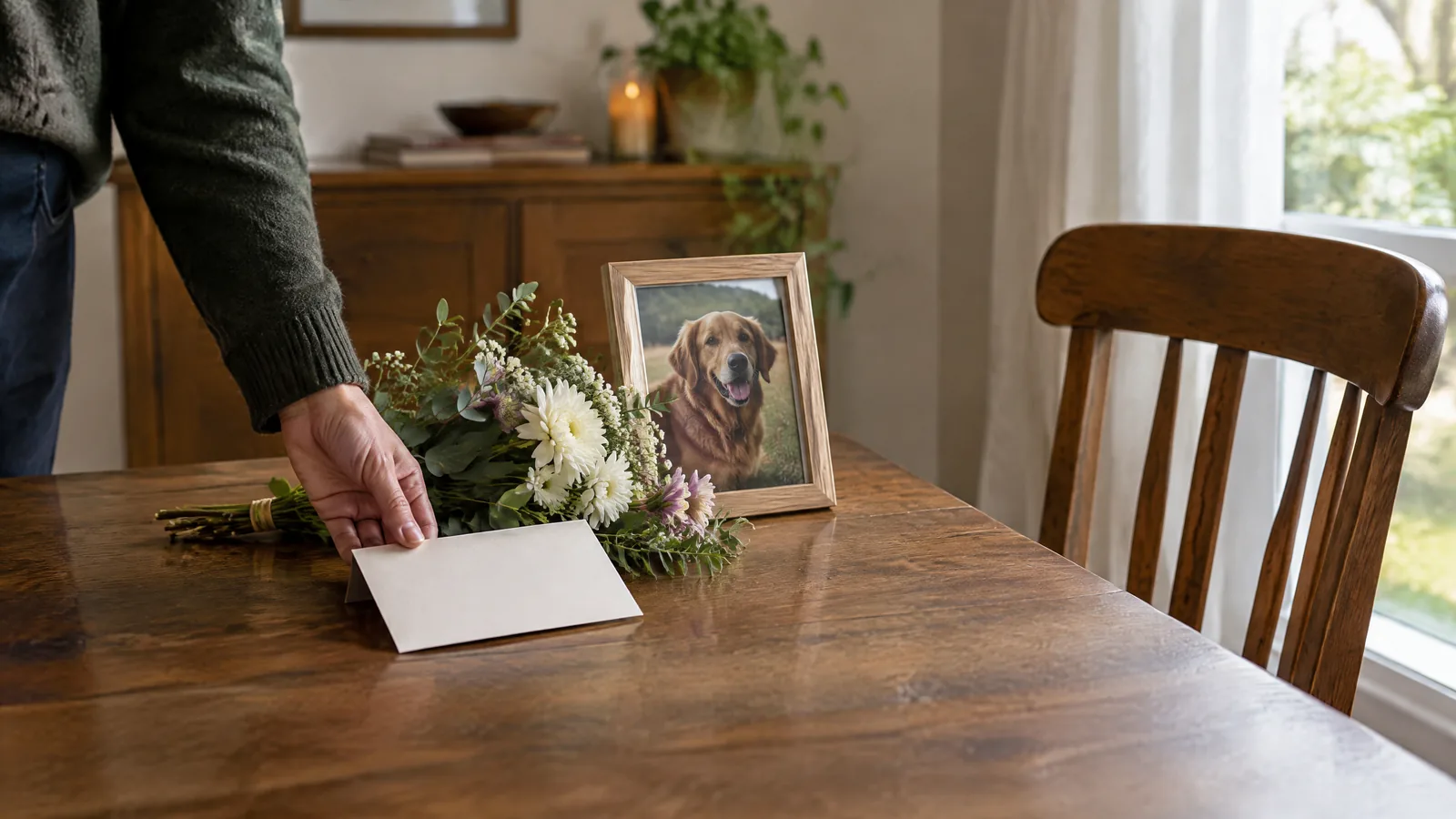
When someone loses a loved one, neighbours, relatives and friends may worry about finding perfect words. Often, a plain expression of sorrow, an offered ear and respect for the person’s wishes can matter more than eloquence.
When someone loses a person or animal they love, the people around them may hesitate. A message can seem too small beside a loss that has changed the shape of someone’s days; silence, meanwhile, can feel like the safer choice. Yet a perfect sentence is not the measure of care. A simple acknowledgement can say that the news was heard, that the person who died matters, and that the bereaved person has not disappeared from the community’s attention. “I’m so sorry” may be enough to begin. It does not claim to understand everything, and it does not ask the other person to make the loss easier to hear. Some may welcome a call; others may prefer a text, a card, or quiet company. There is no single message that fits everyone, and the sender cannot know in advance exactly how it will land. The intention can be modest: to reach out without demanding a particular response.
Using the loved one’s name, when it feels appropriate, can make a message more personal. If the sender knew them, one small, genuine memory may offer a welcome reminder that their presence made an impression. It need not be extraordinary: perhaps a kind gesture, a familiar habit, or a moment shared. But memories are not an obligation. Someone may not want to revisit details, explain the circumstances, or talk at that moment. A gentle invitation leaves room for either answer: “I remember how warmly they welcomed me; if you ever feel like talking about them, I’d be glad to listen.” With a companion animal, the same care can begin by recognizing the particular place that animal held in someone’s life, without assuming every person experiences pet loss in the same way or comparing it with another kind of bereavement. What matters is that the person’s bond is treated with respect, not ranked or explained away.
Listening can be a form of company in itself. A conversation does not have to produce insight, reassurance, or a bright ending to be worthwhile. Sometimes there may be stories; sometimes pauses; sometimes a change of subject. A person may want to speak freely, or may prefer not to answer questions. Asking which way of staying in touch feels manageable can be kinder than assuming that calls, visits, or public comments are welcome. Respecting privacy also means not pressing for details about how someone died, and not sharing their news or words with others without permission. This is especially worth remembering in online spaces, where a public expression of sympathy can draw attention the bereaved person did not choose. A quiet message can leave the choice with them. A delayed reply, a brief reply, or no reply need not be treated as a judgment of the sender’s care; people may have many reasons for wanting less contact or for not knowing what to say back.
Offers of help tend to feel most trustworthy when they are honest and specific. “I can call on Sunday afternoon if you’d like” gives a clearer sense of what is actually available than a promise of constant presence the sender may not be able to keep. An offer can still leave room for refusal, and it should not turn into an expectation that the grieving person explain, accept, or express gratitude. Care may also be quieter than a conversation: remembering an important date, checking in after the first rush of messages has faded, or simply letting someone know they remain in mind. People around a loss may have different capacities, traditions, and ways of communicating; family, neighbours and online friends need not all offer the same thing. Nor does companionship have to stand in for every kind of support someone might want. This reflection is only about the small human gestures of acknowledgement and presence. No phrasing can undo what happened. Still, a sincere message, offered freely
Continue reading
Related articles.
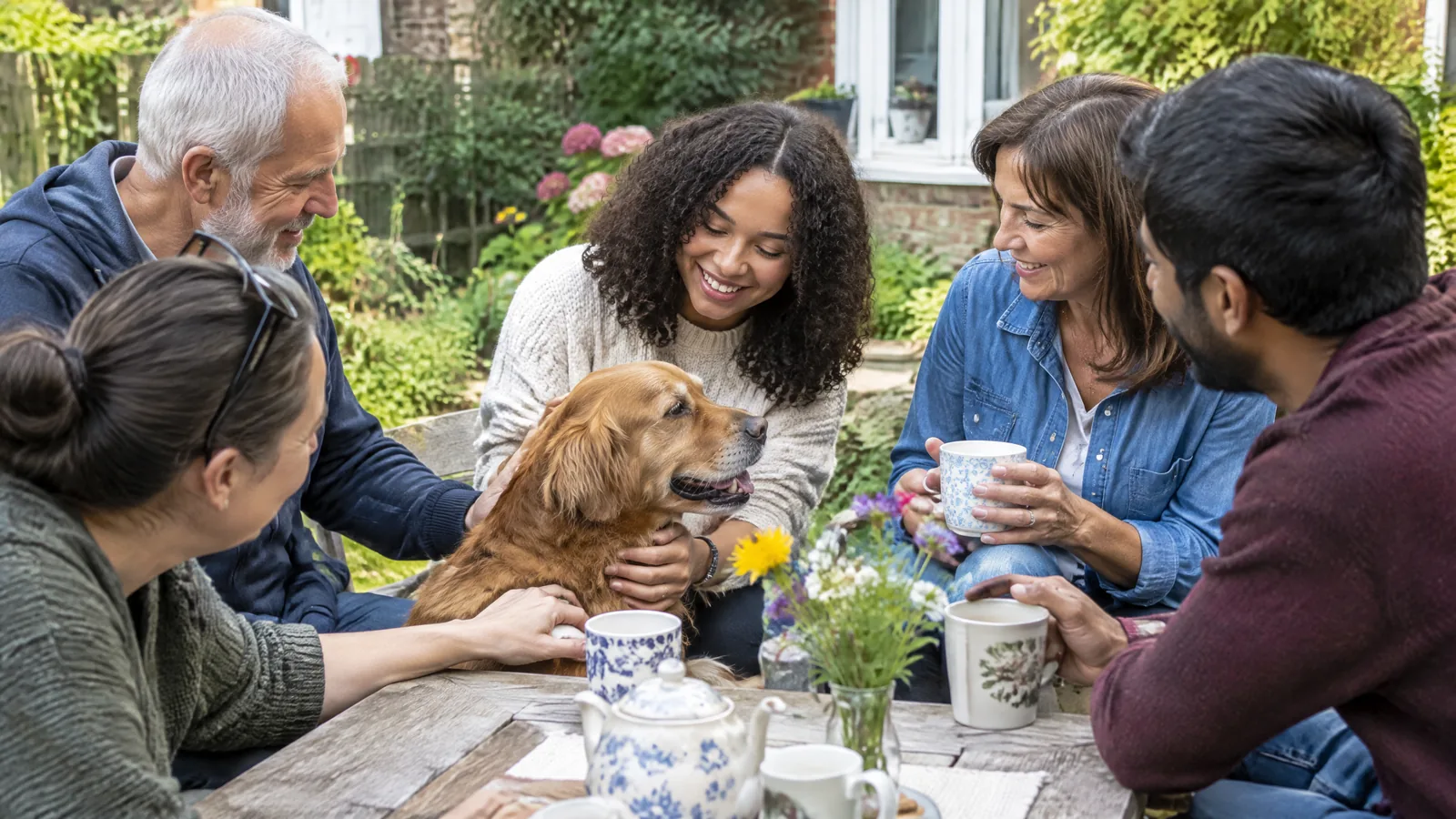
Shared stories & family life · 5 November 2025
The Circle of Care: Remembering Everyone Who Loved a Companion
A companion’s place in a family story is often shared. Remembering them can include the many people, and the ordinary moments, that made that story together.
Read this article
Shared stories & family life · 3 November 2025
The Photograph That Opens the Door to a Story
A familiar photograph can offer a shared place to begin, while leaving room for different memories, new observations, and silence.
Read this article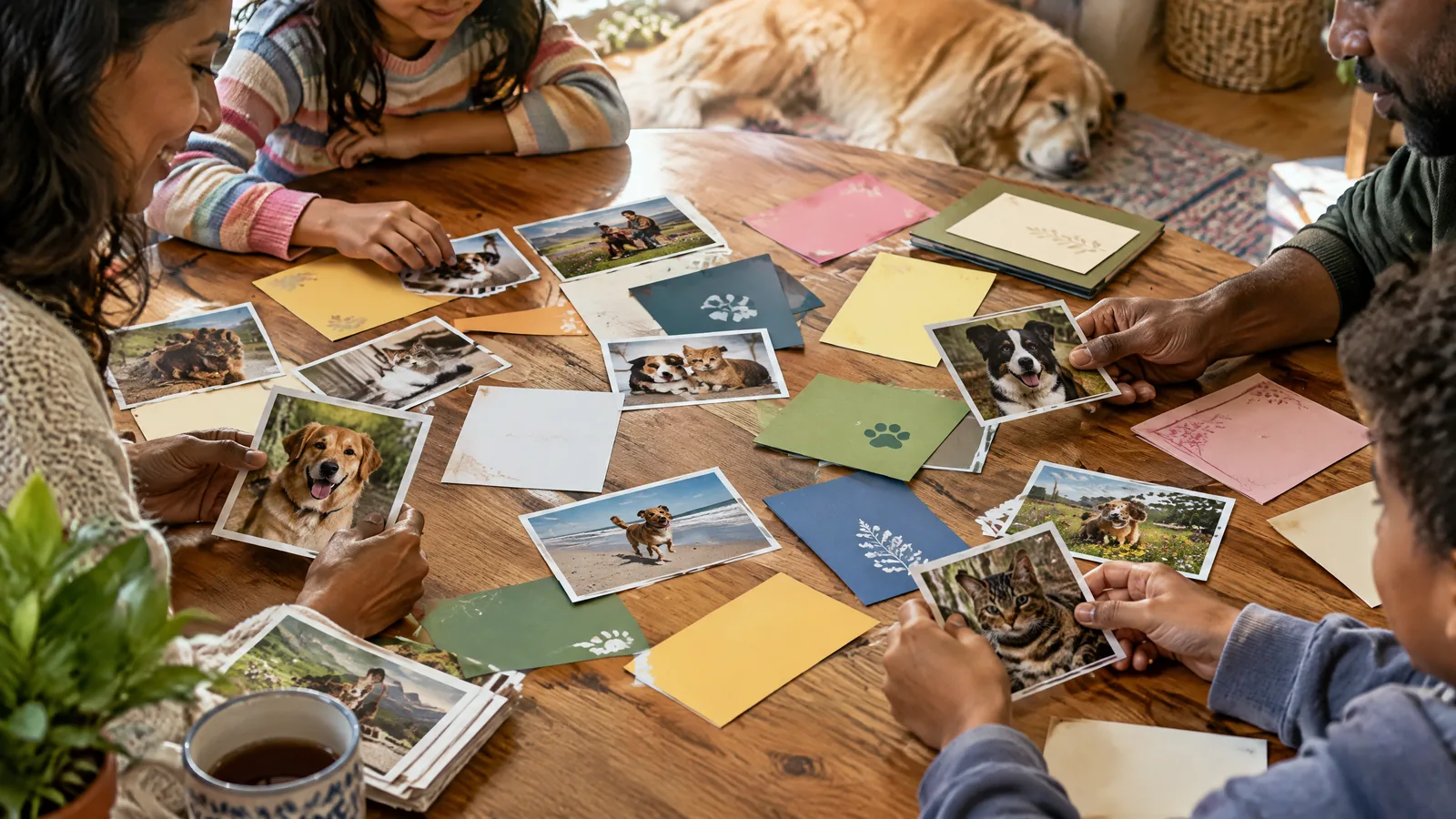
Shared stories & family life · 31 October 2025
The Many Languages of a Beloved Companion’s Story
A reflection on the many ways a family can remember a beloved companion, in words shared, translated, or left gently unspoken.
Read this articleA place for their story
Remember a life, one link at a time.
Explore Paw & Memory at the address below, or scan the QR code to open the memorial starting point in your browser.
Explore memorials Scan or visitpawmemory.live/