
Paw & Memory Journal · Shared stories & family life
The Little Names We Make for Home
The names that gather around a pet can hold fragments of a household’s routines, humor, and shared history.
24 September 2025
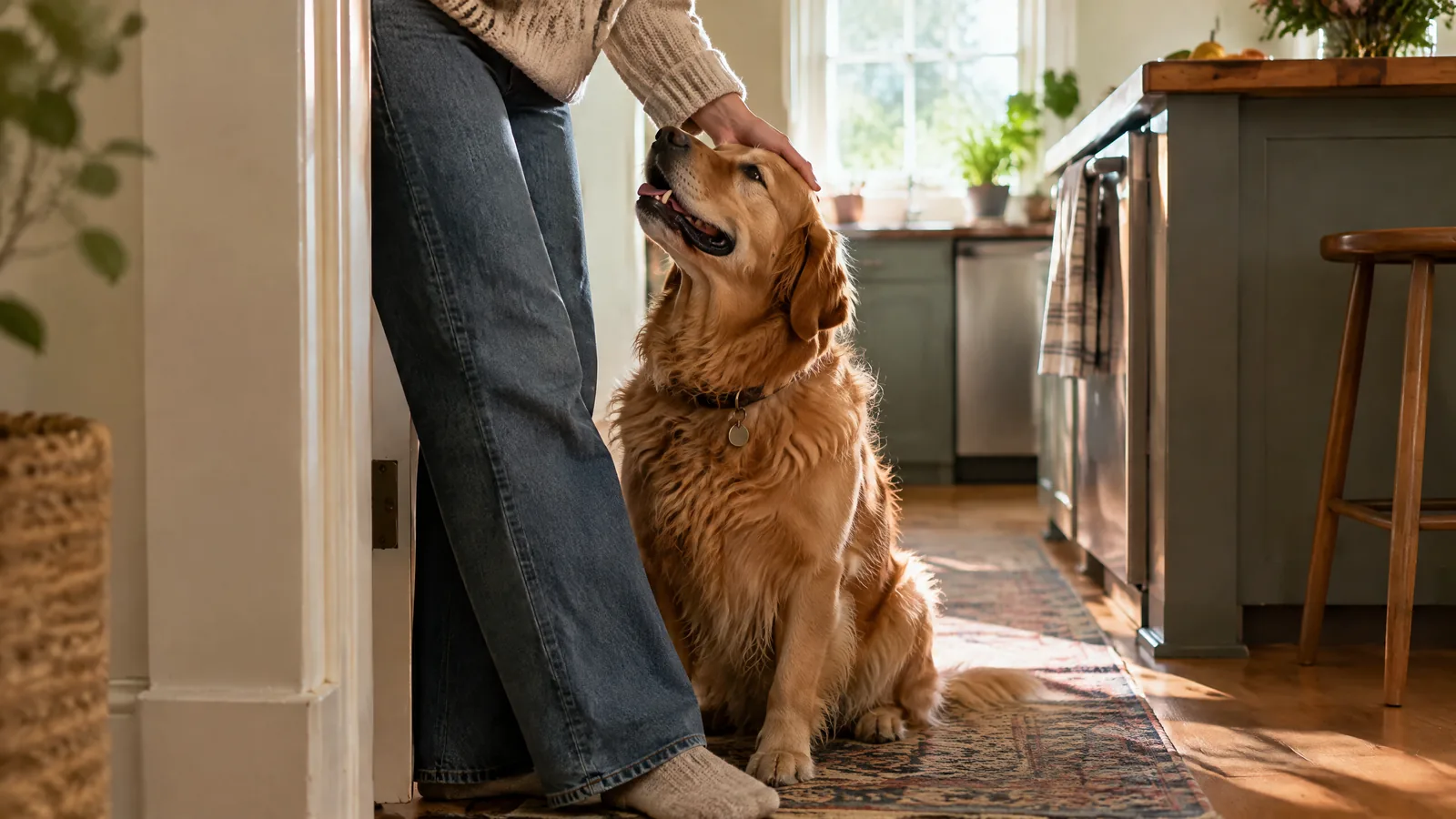
A pet’s formal name may be only the beginning of the words a household uses. Over time, nicknames can gather associations with ordinary routines and remembered seasons, becoming part of a family’s private language—though every home has its own way of naming.
A pet may enter a household with one name, carefully chosen or simply carried over from somewhere else. Then, in the ordinary traffic of days, other names can collect around it. A sound made at the door, a familiar place on the sofa, a particular look after a walk, or an old household joke may give rise to a new word. Sometimes it lasts; sometimes it belongs to one moment and disappears. These small variations are not a language every family shares, nor do they need to be. They are one way people mark familiarity: a private shorthand shaped by living alongside a particular animal. The words may refer to routines, appearances, or memories, but their meanings belong to the people using them. A nickname can say something about the household’s attention and affection without proving what the animal understands, thinks, or feels.
There is a modest point in the wider discussion of naming non-human animals that helps frame this custom: giving an animal a name can influence how people regard it, making it easier to consider that animal as an individual. That observation is about naming and human perception; it does not establish what informal nicknames mean in every household, or how any animal interprets them. Still, a nickname may carry a little recognition. It can distinguish this particular companion from the broad idea of a pet, gathering details that people have noticed across shared time. A name offered in a quiet greeting, another used in a family joke, and a shortened version spoken during an ordinary routine may each become attached to a different scene. There need not be a single explanation for the vocabulary, or a claim that every word has special significance. Sometimes a word sticks because it is easy to say, because someone else started using it, or because it belongs to the rhythm of one home.
Private names also make a kind of small archive. A nickname that once fit a particular stage of family life may bring back a room before it was rearranged, a familiar afternoon routine, or the people who were there then. Its meaning can shift as the household changes. The word might remain, even when the habit that inspired it has faded, and its sound can call up more than its literal origin. Or it might be forgotten, leaving no trace beyond the brief period when it was part of daily speech. Neither outcome measures the depth of a relationship. Some households prefer the pet’s given name; others use many affectionate variations, names in more than one language, or words that make sense only to a few people. Some do not use nicknames at all. Each is a distinct pattern of family life, not a standard against which other homes need to be judged.
It can be easy to hear a family’s collection of names as a tidy story about closeness, but real households are less uniform than that. Affection may be expressed through names, through familiar routines, through quiet companionship, or in ways that have little to do with words. The nicknames themselves can be playful, practical, fleeting, or simply convenient. Their value does not depend on believing that a pet understands human language exactly as a person might, and a person’s interpretation of a name is not evidence of an animal’s private experience. What the words can offer is a glimpse of how people have made room for an individual presence in the texture of home. Looking back, a name may hold a season, a shared joke, or a small detail that would otherwise have passed unnoticed. It need not carry a grand meaning to belong to a household’s story; sometimes it is simply one of the little words by which everyday life becomes familiar.
Continue reading
Related articles.
Shared stories & family life · 5 November 2025
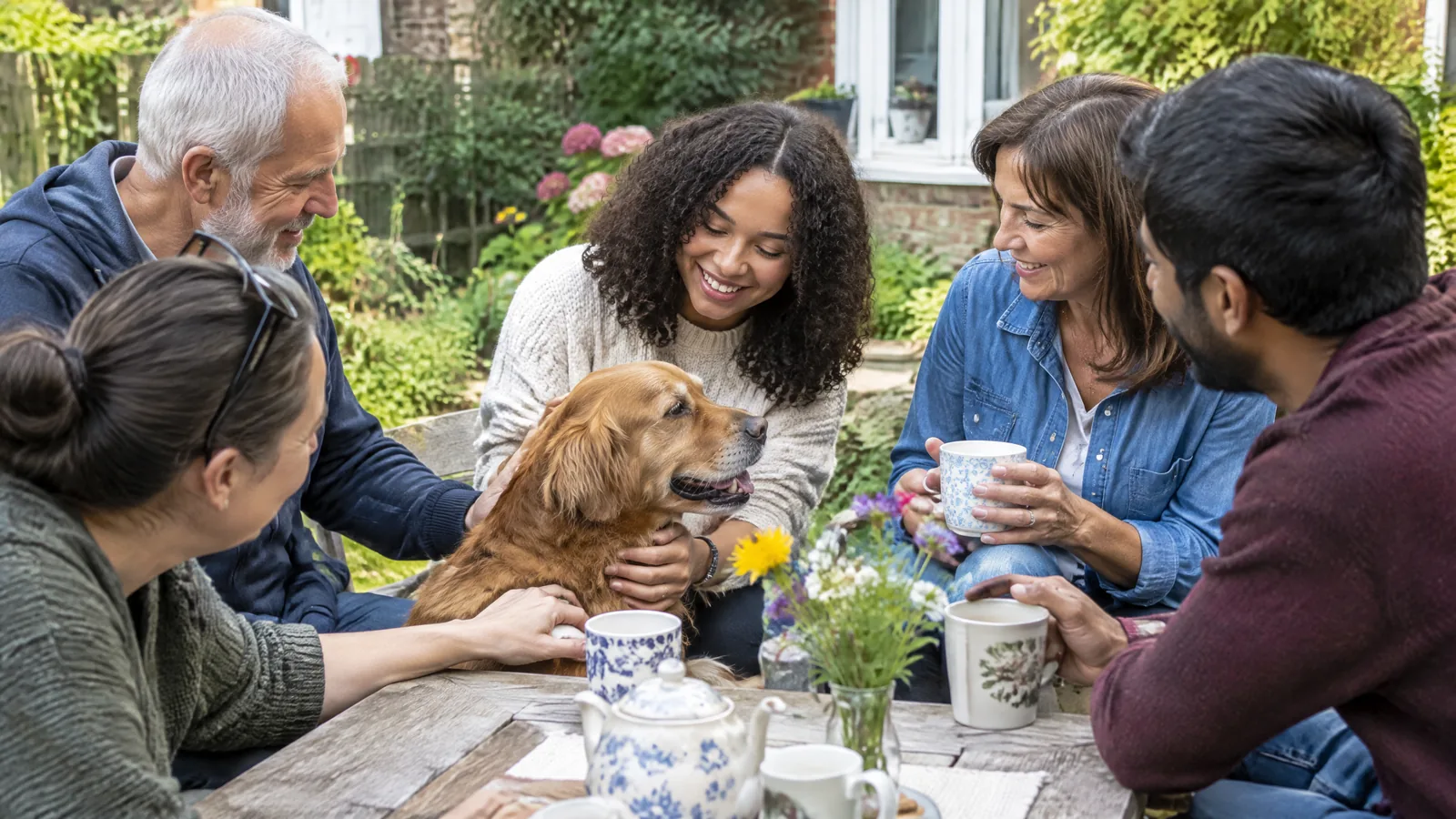
The Circle of Care: Remembering Everyone Who Loved a Companion
A companion’s place in a family story is often shared. Remembering them can include the many people, and the ordinary moments, that made that story together.
Read this article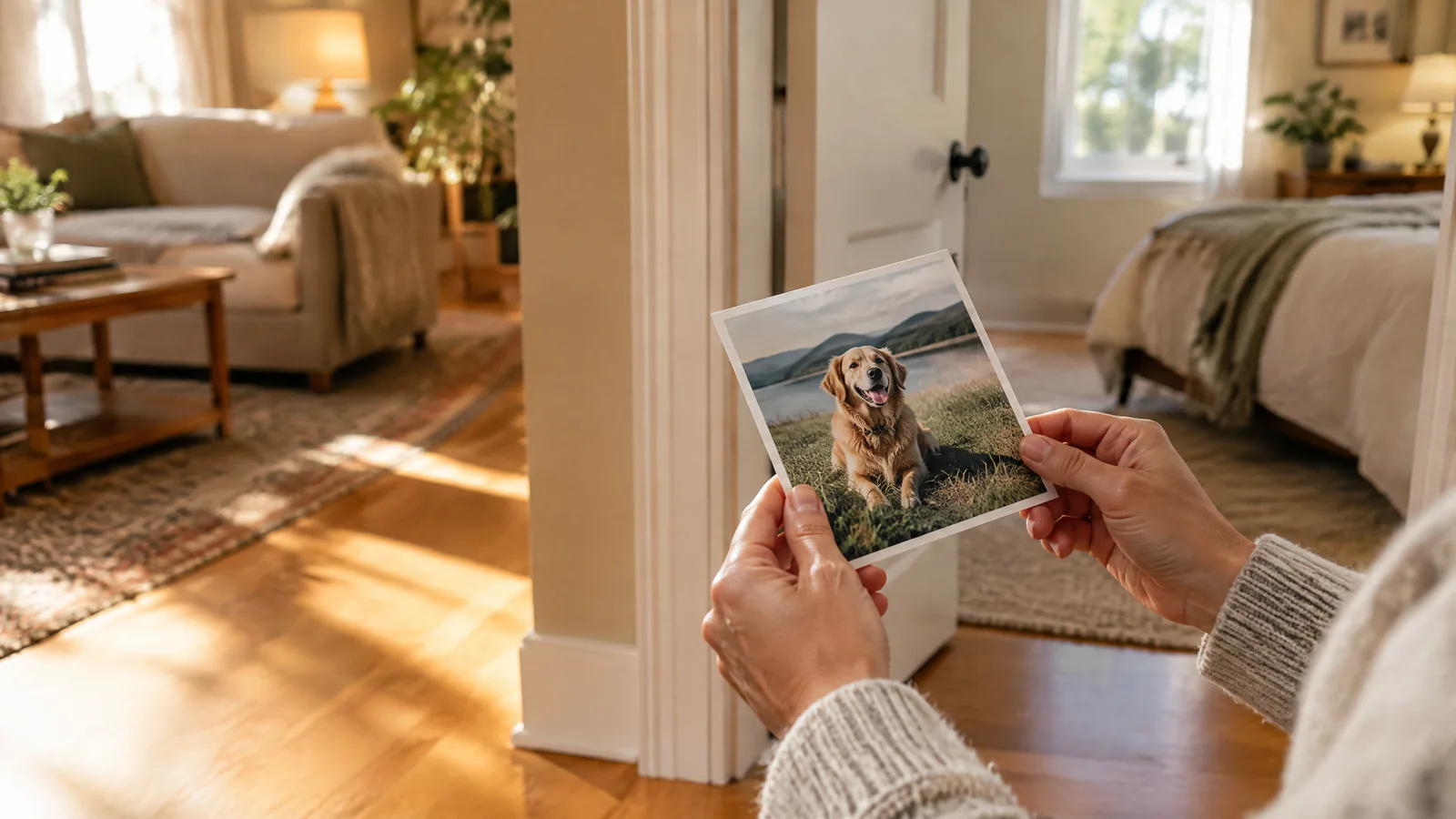
Shared stories & family life · 3 November 2025
The Photograph That Opens the Door to a Story
A familiar photograph can offer a shared place to begin, while leaving room for different memories, new observations, and silence.
Read this article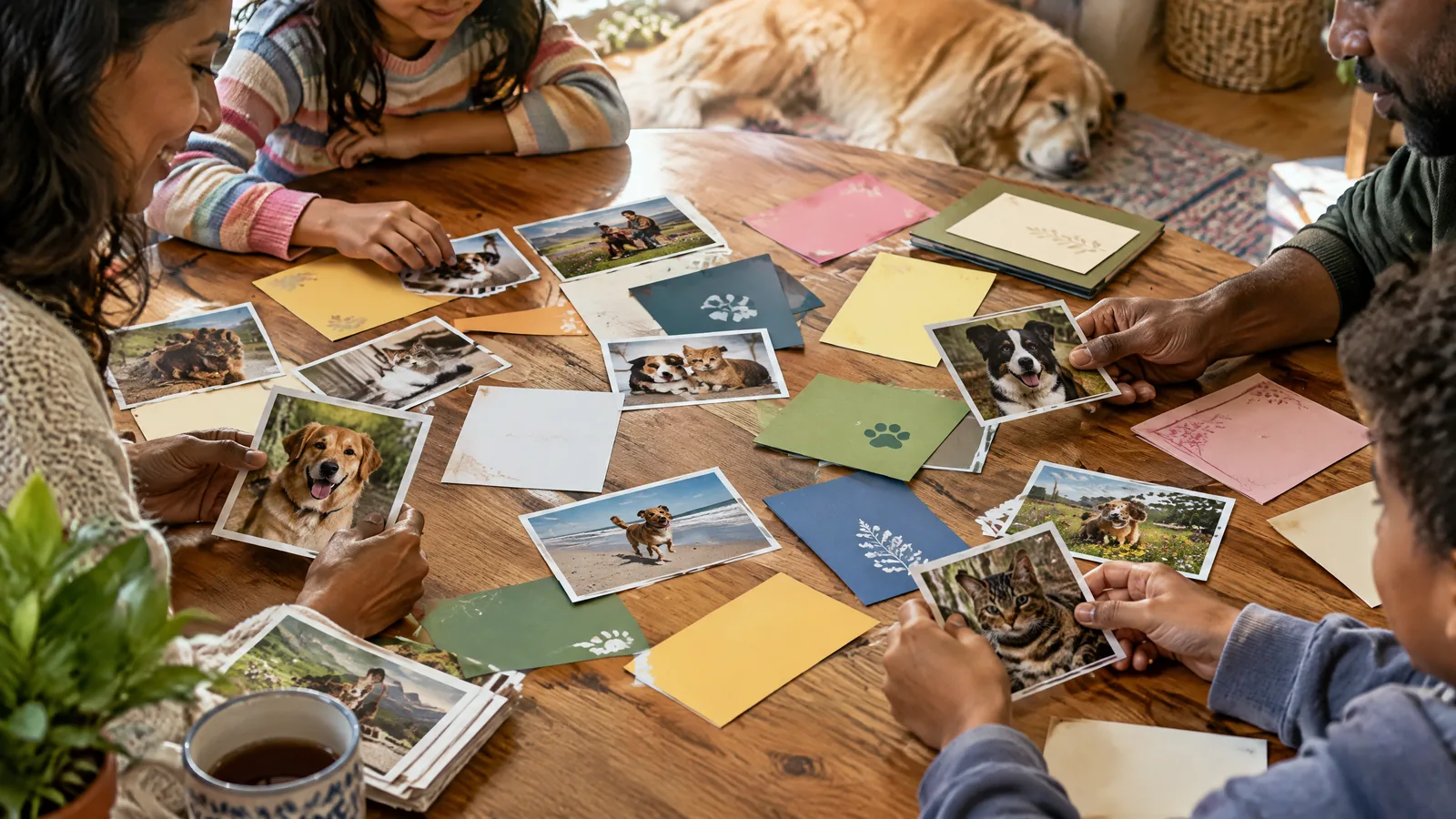
Shared stories & family life · 31 October 2025
The Many Languages of a Beloved Companion’s Story
A reflection on the many ways a family can remember a beloved companion, in words shared, translated, or left gently unspoken.
Read this articleA place for their story
Remember a life, one link at a time.
Explore Paw & Memory at the address below, or scan the QR code to open the memorial starting point in your browser.
Explore memorials Scan or visitpawmemory.live/