
Paw & Memory Journal · Photographs, records & digital legacy
The Photos We Almost Delete: Letting Real Life Belong in the Family Archive
A family archive can make room for photographs that are blurred, cropped, faded, or difficult to place, without asking every image to carry the same meaning.
10 September 2025
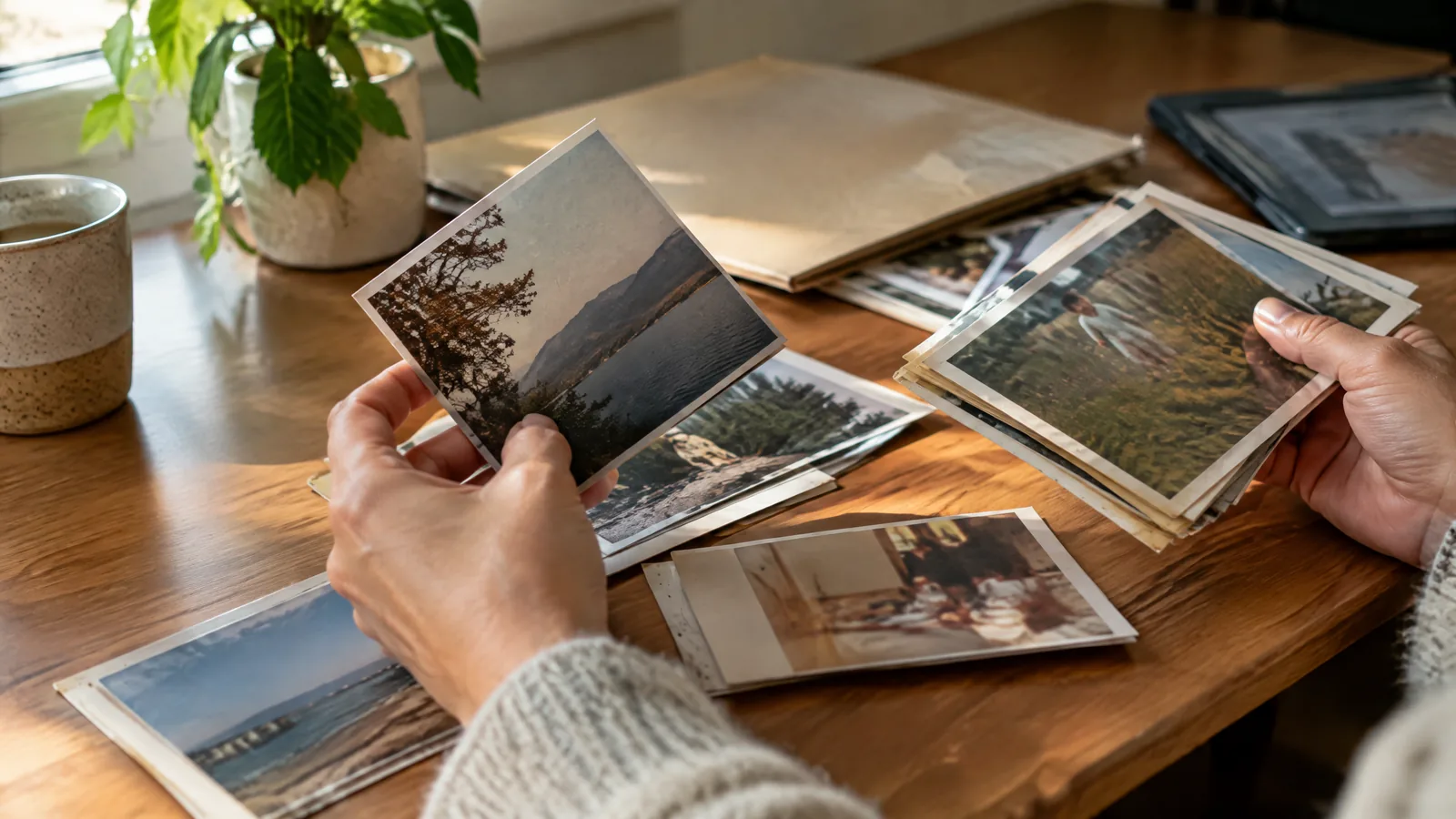
Technical polish is only one way to look at a photograph. Some imperfect pictures may hold a detail, a setting, or a trace of an occasion; others may be best left aside. A family archive can leave space for uncertainty, privacy, and changing choices.
A family archive can look less like a gallery than a drawer opened at an unhurried moment: several prints, a few digital files, perhaps an image whose date is uncertain. Some photographs are crisp and carefully composed. Others have a blurred edge, closed eyes, an accidental crop, or colors softened by time. It can be tempting to sort them by technical quality, keeping the cleanest image and letting the rest fall away. Yet sharpness is only one feature of a photograph. A slightly crooked frame might include a doorway, a familiar blanket, or the corner of a room. A face turned away may leave more questions than answers. Such details do not make every imperfect picture important, and nobody owes an image a place in the family record. They simply leave open the possibility that an unpolished photograph may hold context that a more finished one does not.
Looking again can be a way of noticing what is actually there without asking the picture to explain itself. A faded print may show a gathering, a pet beside a chair, or a familiar object whose name is known to one relative and not another. The image can be recorded plainly, while interpretation remains separate: who is identified, what is known about the occasion, what is uncertain, and whose account supplies a detail. If nobody knows the date, uncertainty can remain part of the description rather than being replaced by a confident guess. This distinction matters because photographs invite stories, but the frame rarely contains the whole story. Even a small note can preserve the difference between something visible, something remembered, and something merely suspected. With time, that careful distinction may be more useful than a tidy label that overstates what the family knows.
The physical photograph also has a life apart from its appearance on a screen. Handling and storage guidance from the Library of Congress offers one modest reminder for family collections: avoid adding marks to photographs when possible. That point need not become a strict rule or a judgment on older albums, annotations, or the choices available to a particular household. It is simply a reason to pause before writing directly on a print, especially when its surface or history is uncertain. A neutral folder, a careful caption kept alongside an image, or a note in a separate record may keep context near the photograph without making a mark on it. What is practical will differ among families and collections, and no single arrangement suits every image. A digital copy can make a picture easier to view or describe, but it does not automatically settle questions about the original, its context, or how it will be found in the future.
Making an archive need not mean preserving every image, resolving every mystery, or opening private photographs to a wider audience. Some pictures may bring up difficult memories, reveal details that someone would rather keep private, or include people whose wishes are not known. Families can decide that certain images stay out of a shared collection, remain accessible only to a few, or are not retained. Those choices can change, and uncertainty about permission or identity is a reason for restraint rather than speculation. When an image is described for someone who cannot see it, a plain account of visible details and known context can be more respectful than an imaginative reading of expressions or relationships. There is no universal test for which photograph deserves a place. The value of a family archive may lie partly in its variety: polished portraits alongside ordinary, incomplete records, each kept or set aside according to the people connected with it. A little room for imper
Continue reading
Related articles.
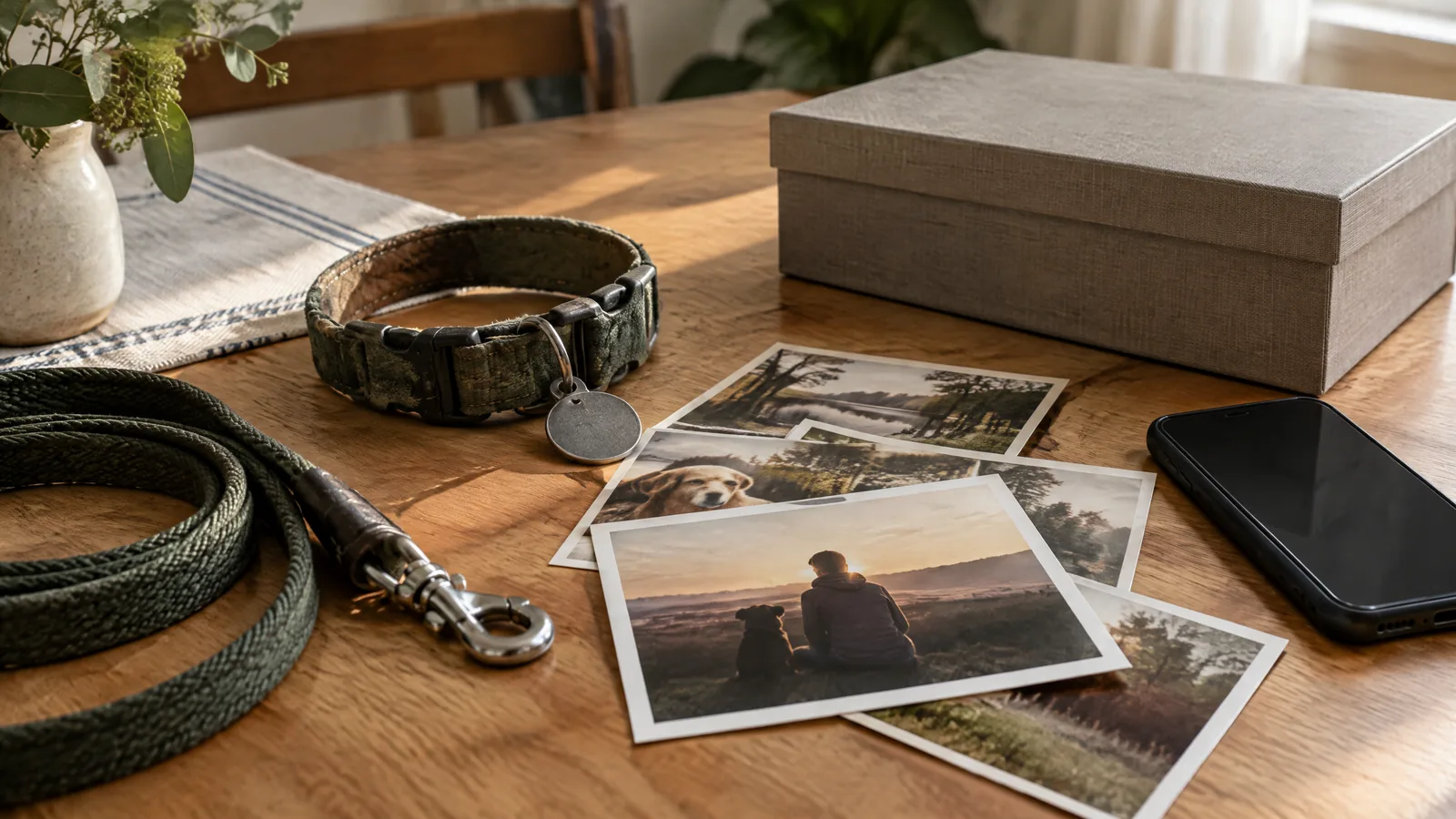
Photographs, records & digital legacy · 19 September 2025
The Small Things We Keep: Making a Family Archive of a Loved Pet
A collar, a tag, a lead, and a handful of photographs may hold different places in a family’s story.
Read this article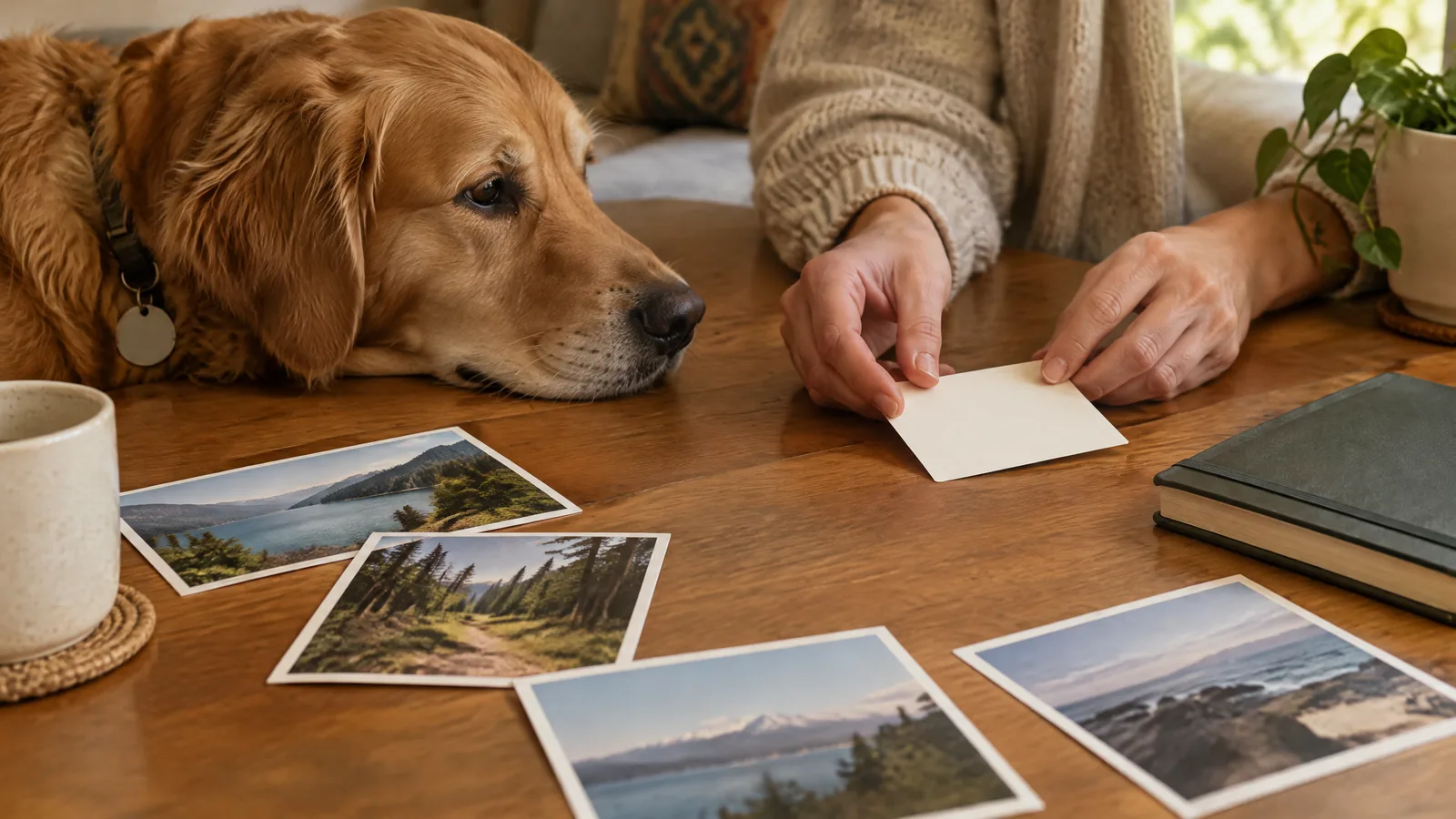
Photographs, records & digital legacy · 17 September 2025
The Small Records That Help Tell a Companion’s Story
A name, identifier, date, or change of keeper can offer a quiet thread through photographs and recollections, while remaining only one small part of a companion’s life.
Read this article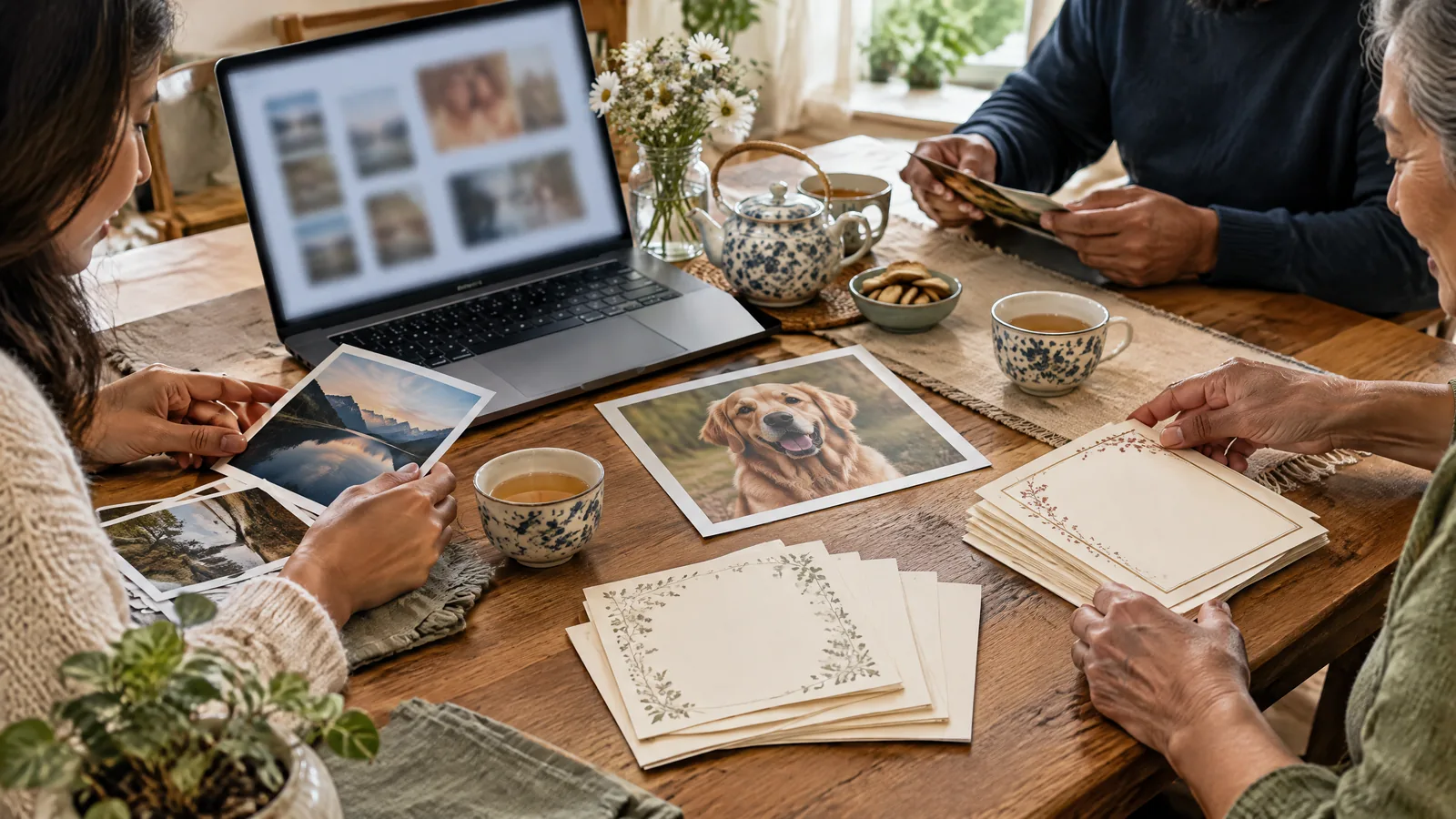
Photographs, records & digital legacy · 15 September 2025
A Memory Everyone Can Read: Making a Multilingual Pet Memorial Page Feel Like Home
A source-led reflection on keeping a memorial page understandable for a family in more than one language, and the ordinary details that can hold a companion’s story.
Read this articleA place for their story
Remember a life, one link at a time.
Explore Paw & Memory at the address below, or scan the QR code to open the memorial starting point in your browser.
Explore memorials Scan or visitpawmemory.live/