
Paw & Memory Journal · Photographs, records & digital legacy
The Places We Keep: Mapping a Companion’s Life in Photographs and Memory
A gentle reflection on gathering the places, images, and small records that have become part of a companion’s story, without mistaking a keeper’s map for the animal’s own account.
29 August 2025
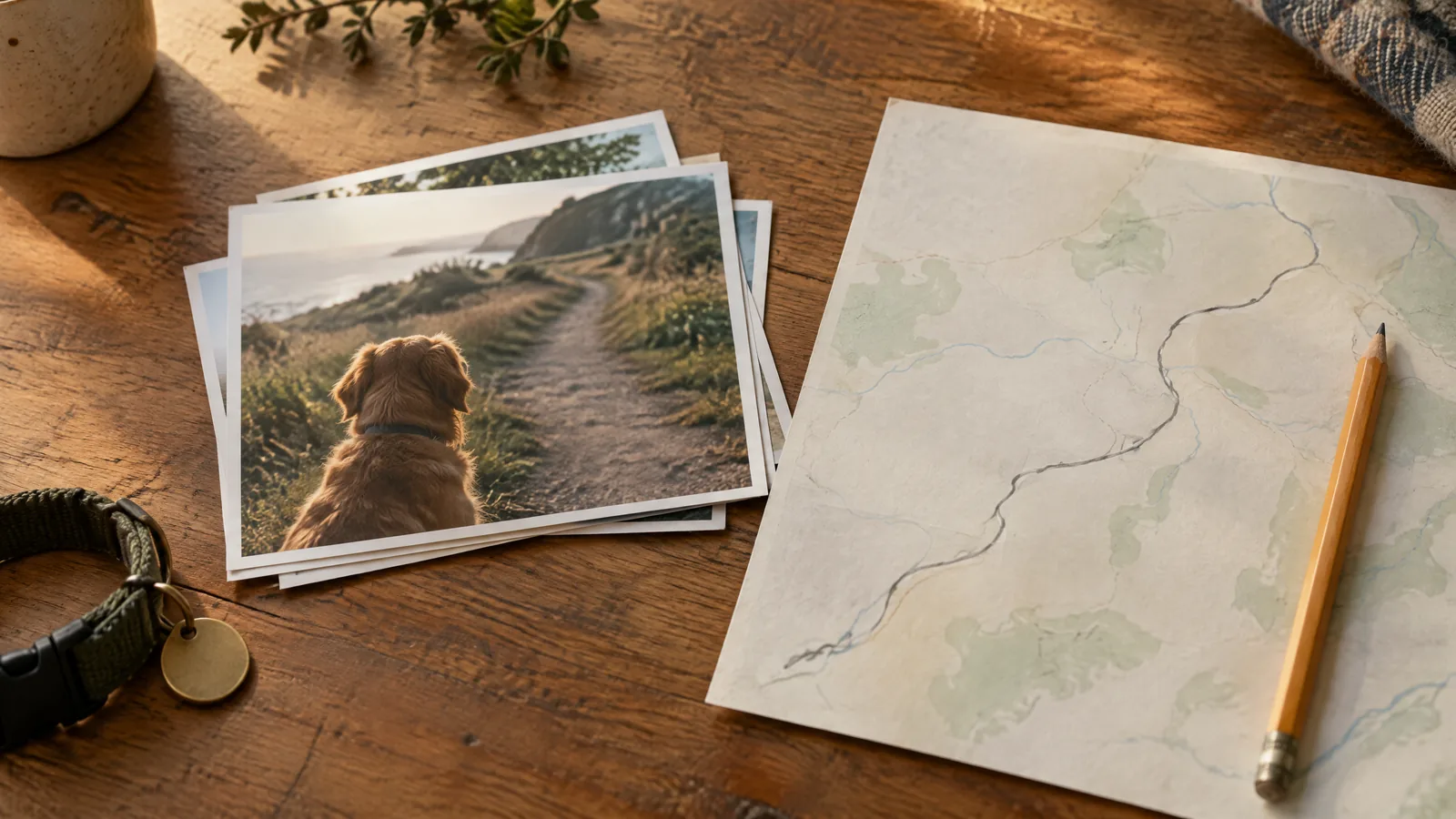
A familiar path, a sunlit corner, or a photograph with no date can become a marker in the story a person keeps. Mapping those fragments is one way to notice a companion’s place in everyday life, while leaving room for uncertainty, privacy, and change.
A companion’s life rarely fits neatly into a timeline. It gathers in repeated places: the patch of afternoon light near a window, a path passed on an ordinary walk, the doorway where someone paused to put on shoes. A photograph may hold one of these scenes, while another survives only as a remembered detail or a sound attached to a particular room. Making a map from such fragments is not an attempt to tell an animal’s inner story. It is a keeper’s record of what was noticed, where daily life unfolded, and which surroundings became part of a shared history. The map may take the form of a page, a folder, a set of captions, or a loose collection with no finished shape. It can be made for a living companion, for a time of changing routines or separation, or in remembrance after a death. None of those circumstances requires the same kind of record, and no tribute has to be completed to count as meaningful.
A modest beginning might be a handful of photographs gathered around places rather than dates: a porch, a familiar stretch of pavement, a favorite-looking patch of grass, or the corner of a room that appears in many pictures. The Library of Congress’s personal-archiving guidance offers a narrow, practical example: photographs can be sorted by location. That is a way to organize a keeper’s material, not evidence about what a companion understood, remembered, or felt in any place. A place-name in a caption can be as general as “near the old garden” or “the path by the water”; exact detail is not necessary for a private record. Dates may help when they are known, but “around the time we moved” or no date at all can also be honest labels. A blank space on the map may mark something forgotten, unavailable, or simply not important to record. Leaving it blank need not be treated as a flaw.
Pictures are only one kind of material. Someone might pair them with a few lines about the season, a route described in broad terms, a familiar household sound, or a small record already kept elsewhere, such as a card or note. A caption can distinguish what is visible from what is remembered: “the blue gate appears in the background” is different from “this was where we always stopped.” Such wording keeps the map anchored in a person’s perspective without turning an impression into a claim about the animal’s thoughts. The same care can extend to privacy. A version intended for sharing can omit home addresses, predictable routes, identifiable people, access details, and location information embedded in digital files. Some keepers may choose to share only a few images; others may keep the entire collection private. A map does not become more sincere by becoming public, and the people or places included in it need not be exposed for the remembrance to have value.
Over time, a collection may be revisited, rearranged, or left untouched. Selected digital copies can sit alongside printed photographs or other keepsakes, but no single format promises permanence, and copies can still be lost, separated, or become difficult to access. The point need not be to build a complete archive. It can be enough to preserve a few images that would otherwise be hard to find, or to make a small record that leaves room for later additions and corrections. A move may change which places are reachable; age, circumstance, or separation may alter the routines that once made them familiar. After a death, the same photographs may hold a different place in a keeper’s life, though that change does not follow a prescribed timetable. Some people may find comfort in arranging the fragments; others may prefer not to gather them now. Both choices, and many forms between them, belong to the person remembering. The map is not a final account of a companion’s life. It is one human,
Continue reading
Related articles.
Photographs, records & digital legacy · 19 September 2025
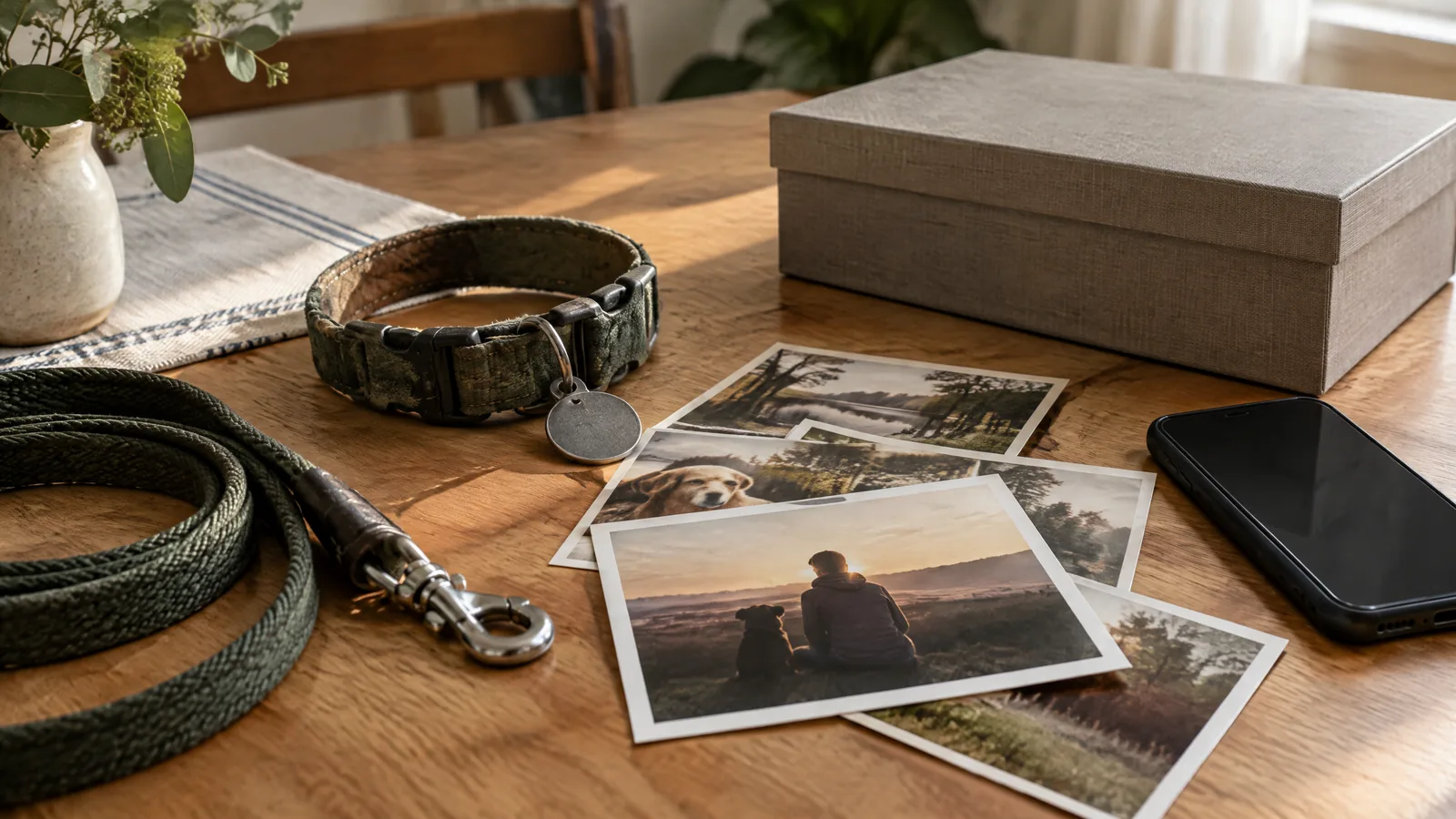
The Small Things We Keep: Making a Family Archive of a Loved Pet
A collar, a tag, a lead, and a handful of photographs may hold different places in a family’s story.
Read this article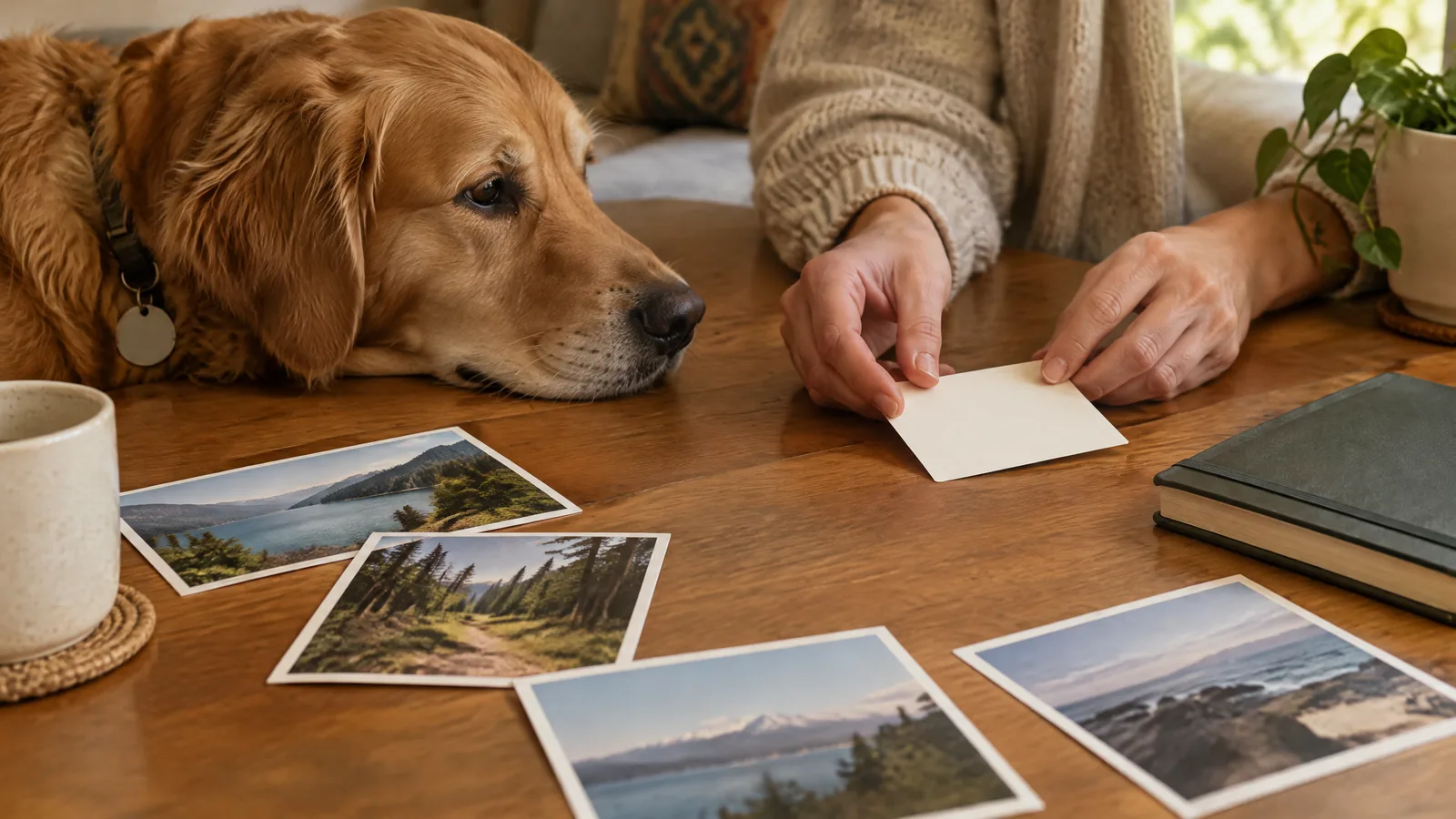
Photographs, records & digital legacy · 17 September 2025
The Small Records That Help Tell a Companion’s Story
A name, identifier, date, or change of keeper can offer a quiet thread through photographs and recollections, while remaining only one small part of a companion’s life.
Read this article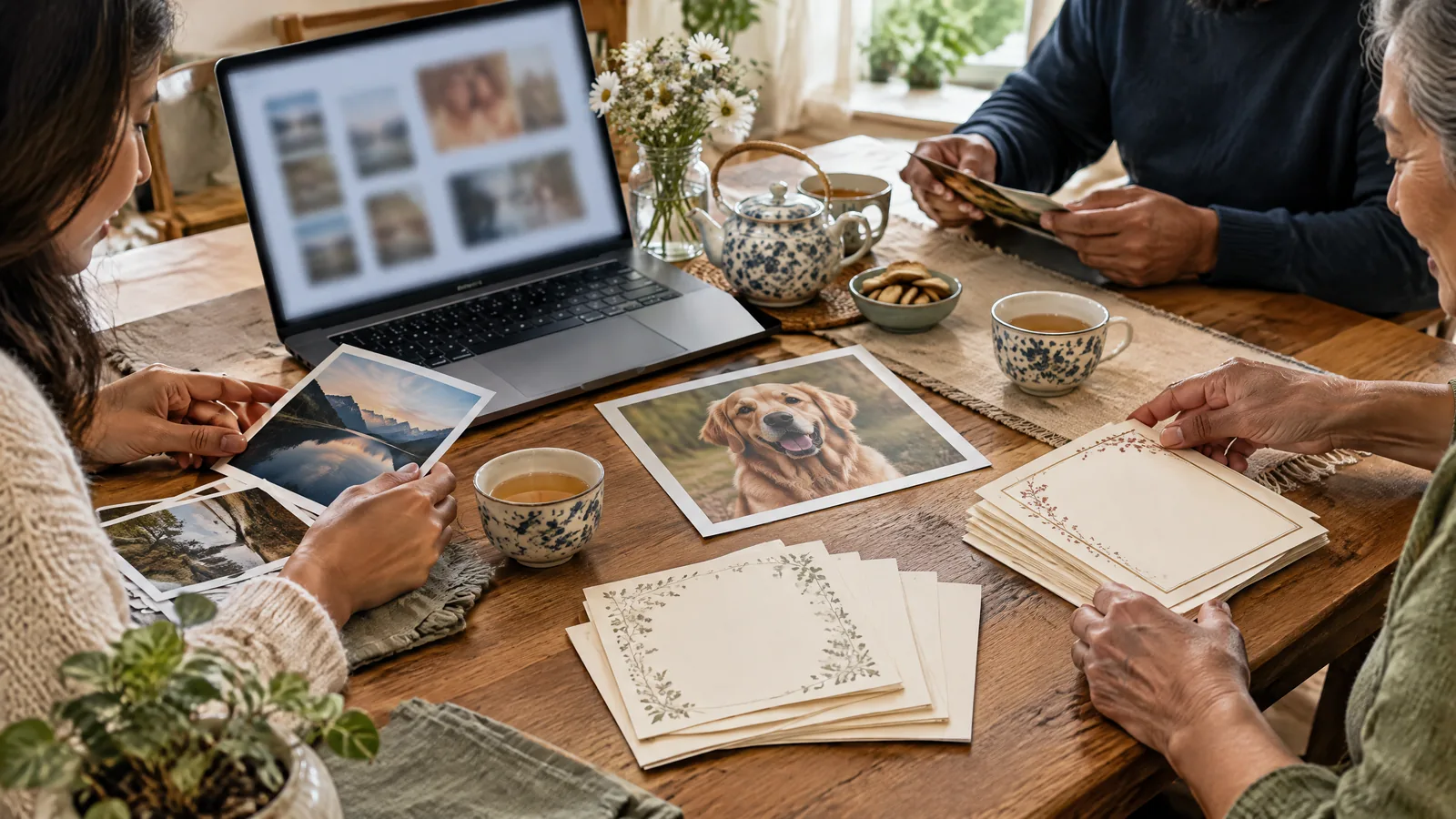
Photographs, records & digital legacy · 15 September 2025
A Memory Everyone Can Read: Making a Multilingual Pet Memorial Page Feel Like Home
A source-led reflection on keeping a memorial page understandable for a family in more than one language, and the ordinary details that can hold a companion’s story.
Read this articleA place for their story
Remember a life, one link at a time.
Explore Paw & Memory at the address below, or scan the QR code to open the memorial starting point in your browser.
Explore memorials Scan or visitpawmemory.live/