
Paw & Memory Journal · Everyday companionship & place
The Quiet Places They Made Their Own
A familiar corner can become part of a shared home, not because it tells a complete story, but because it holds the shape of one animal’s ordinary days.
23 July 2025
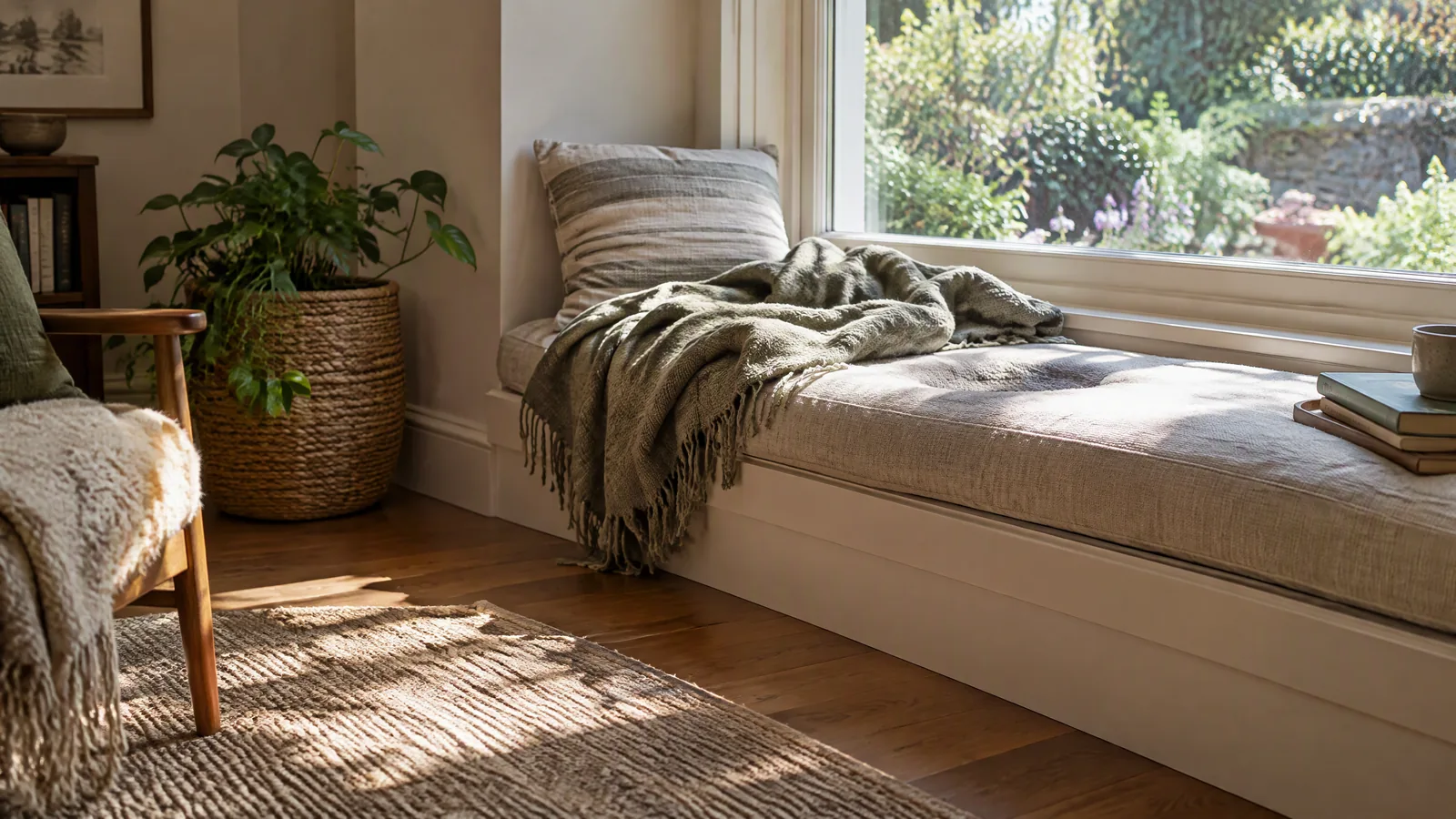
A blanket by the window, a shadowed space behind the sofa, a familiar corner: places can gather meaning through repeated, ordinary presence. Remembering them can be a way of noticing the individual life that unfolded at home.
A home is made of rooms, but also of the small places that become familiar through repetition. A cat may settle behind a sofa, return to a high perch, or choose a patch of warmth; a dog may often rest in a particular corner or spend time in a familiar room. These are observable patterns, not captions that explain themselves. A place can be preferred for reasons that are not visible to the people sharing the home, and different animals may be drawn to entirely different surroundings. Even within one household, the spots that matter in memory may seem unremarkable to anyone else: a space beside a doorway, a blanket that gradually softened, the strip of floor where afternoon light passed. Their significance need not depend on a grand interpretation. It may begin with the plain fact that, for a time, this was where one particular companion often was.
That distinction leaves room for curiosity without turning a familiar spot into a claim about an animal’s private inner life. Seeing a cat return to a perch does not establish a single reason for the choice, any more than seeing a dog rest in a familiar area reveals exactly what the place means to them. The restrained point is smaller: repeated use can make a location part of the shared pattern of a home. Dogs Trust, for example, notes that a dog’s familiar room or an area where they often spend time or rest can be a starting point when considering a familiar space. That limited observation does not settle the meaning of any individual dog’s preference, or make every animal’s habits alike. It simply recognizes that a place already woven into daily life may be familiar. In remembrance, this kind of modest attention can matter. It lets the animal remain particular, rather than turning one corner into a universal symbol.
Memory often attaches itself to ordinary details because ordinary life is where companionship takes place. A chair may be remembered with a certain space beneath it; a room may seem different without the soft movement that once crossed it. The mind can bring back not only an animal’s appearance, but the surrounding arrangement: the sun moving across a rug, the familiar path between rooms, the blanket marked by use. Such recollections do not need to prove that the animal understood the room as people do. They belong to the human work of noticing a shared environment and the habits that gave it texture. Nor will every household remember through the same kinds of places. Some people may recall a favorite-looking perch or corner; others may remember the thresholds, open floors, or changing routes that shaped an animal’s days. The home’s remembered geography is individual, just as the companionship that took place within it was.
When an animal is no longer present, a familiar place may stand out because it remains while one part of the household’s routine has changed. A low window seat can still catch the morning light; a corner can still hold a softened blanket. These details may feel tender, difficult, or simply noticeable, and their meaning can shift from one day to another. There is no single way a person must respond to them, and no requirement that every familiar spot become a keepsake. Sometimes remembering is less about assigning a message to a place than about recognizing the life that passed through it: an individual moving, pausing, resting, and sharing a home on their own terms. The rooms cannot explain that life in full, but they can help a person recall its contours. In that quiet recognition, an ordinary corner may feel newly vivid—not as proof of what an animal thought, but as part of the landscape in which a particular companionship unfolded.
Continue reading
Related articles.
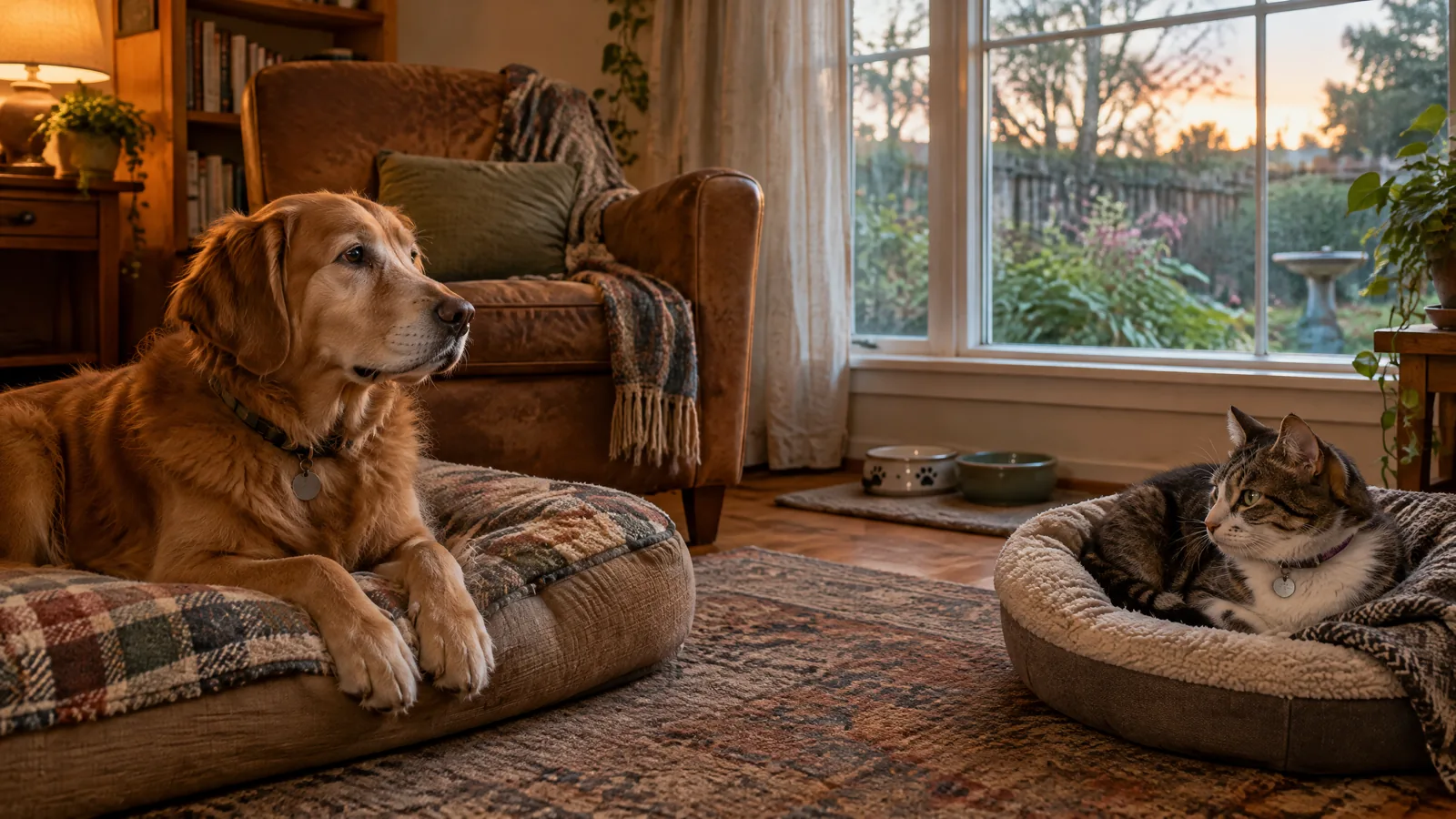
Everyday companionship & place · 4 August 2025
The House Remembers Them Both
A quiet reflection on two distinct companions, the rooms they share, and the everyday scenes through which a home gathers meaning.
Read this article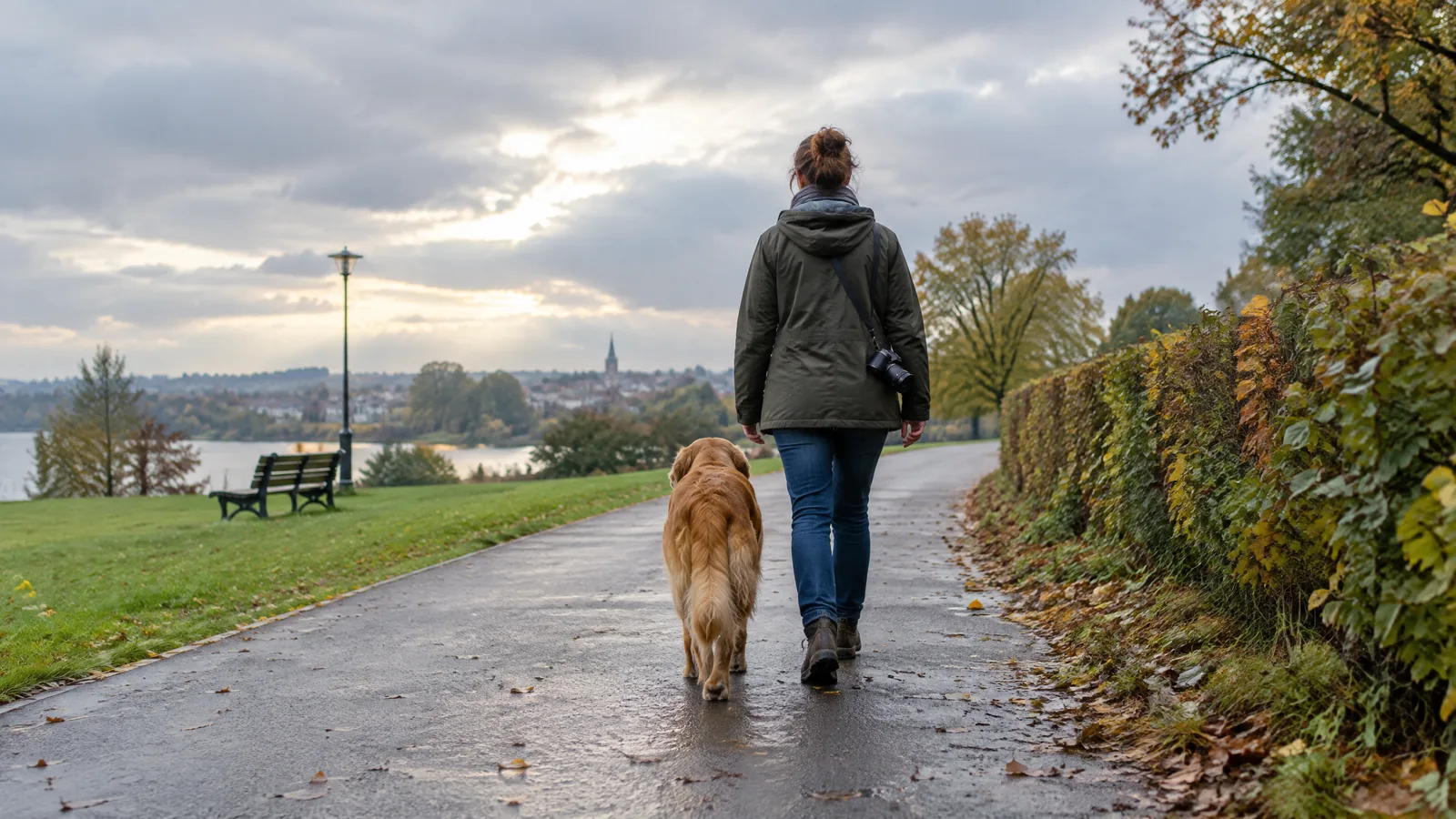
Everyday companionship & place · 1 August 2025
The Weather We Walk Through Together
A familiar path can look different with every change in light, weather and season—and companionship can make those small differences easier to notice.
Read this article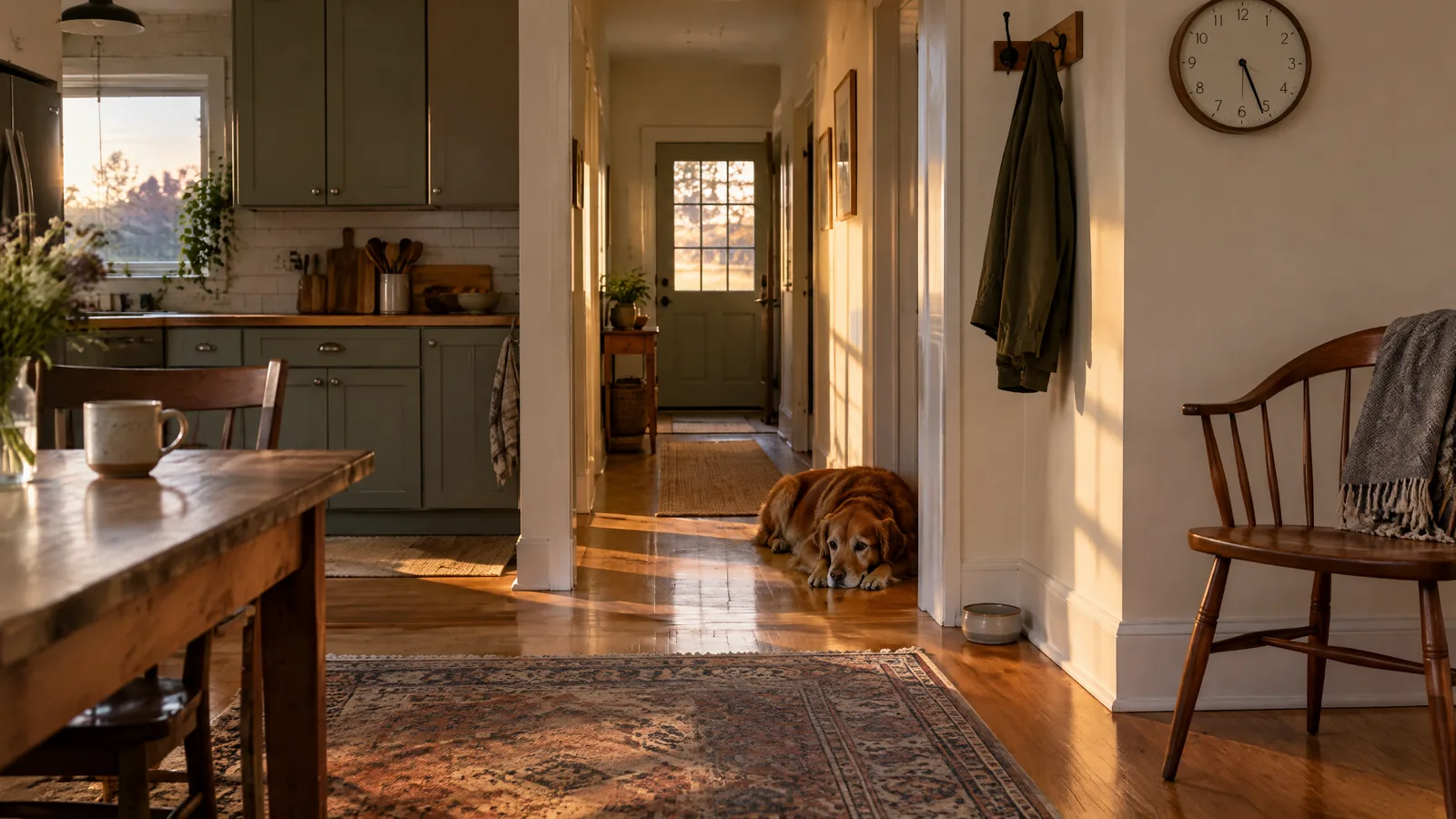
Everyday companionship & place · 30 July 2025
The Quiet Keeper of Our Ordinary Hours
A remembrance of the small, familiar moments that made a home’s daily rhythm feel shared.
Read this articleA place for their story
Remember a life, one link at a time.
Explore Paw & Memory at the address below, or scan the QR code to open the memorial starting point in your browser.
Explore memorials Scan or visitpawmemory.live/