
Paw & Memory Journal · Photographs, records & digital legacy
The Same Moment, Kept Tenderly
A family album can hold a shared life without making every memory identical.
18 August 2025
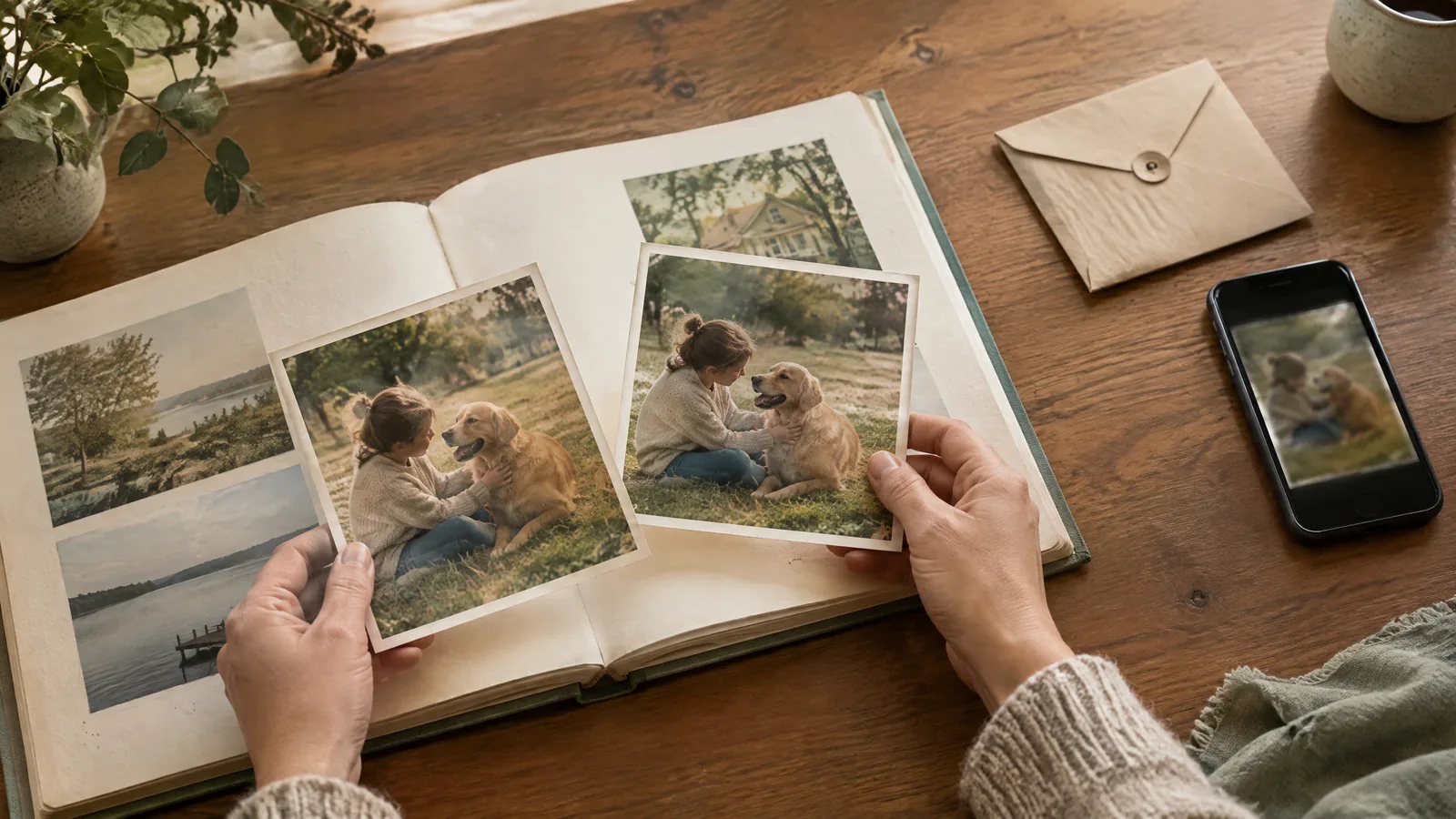
A printed photograph, a scan, a remembered caption, and a private association may all belong to one family album. Their differences need not settle who remembers correctly; they can show how a shared life has been carried in more than one way.
An album may look like a place where a family has agreed on what happened. Open it, though, and the same ordinary moment can appear in several forms: a print with a soft crease, a scan with brighter colors, a crop that leaves out the edge of the room, or a caption someone recalls differently. In each version, something is present and something else has fallen away. That need not mean one copy is false or one relative has the final word. The album can be less like a verdict than a meeting place, where several ways of keeping a beloved animal and a shared time remain visible together. What feels central to one person may sit at the edge of another’s memory, and neither response has to erase the other.
A printed photograph and its digital copy are not quite interchangeable, even when they show the same scene. Paper carries its own marks and history; a scan may make a small image easier to see or share, while also changing its tone, boundaries, or scale. A cropped or edited version might draw attention to a detail that mattered to someone, yet leave out a background another relative recognizes as part of the moment. These differences can be noted without deciding that one version is definitive. A caption, too, can be a record of recollection rather than a settled fact: a name remembered with confidence by one person may be uncertain to another, and dates may be approximate. Making uncertainty legible can be a form of care for the memory, not a failure to preserve it.
The questions around keeping copies are often practical and personal at once. What matters to this family? What can its members comfortably hold, organize, or revisit, given their time, space, access, and energy? There is no universal balance between preserving an original, making a scan, and leaving a collection as it is. Archiving can be imperfect and entirely optional; a folder with a few images may matter as much as a carefully arranged album, while someone else may prefer not to make another copy at all. Keeping originals and accessible versions can be meaningful when it suits the people involved, but no particular format or arrangement can promise that a memory will remain available forever. The measure need not be technical completeness. It may simply be whether the chosen form fits the family’s priorities and capacity now.
A family album is also a shared record, and sharing brings questions of consent and privacy. A photograph that feels intimate to one person may not feel ready for a wider audience to someone else; a digital copy can travel beyond the circle for which it was intended. Cultural meanings around images, names, animals, and remembrance may also shape what belongs in an album and how it is described. Those considerations do not have to become a single rule for every family. They can remain part of the conversation, alongside affection, disagreement, and ordinary limits. Some pages may stay private; some captions may keep a question mark; some images may be remembered without being copied. Across these choices, the same moment can be held tenderly in more than one way—not because every version matches, but because the people who carry it are not required to remember alike.
Continue reading
Related articles.
Photographs, records & digital legacy · 19 September 2025
The Small Things We Keep: Making a Family Archive of a Loved Pet
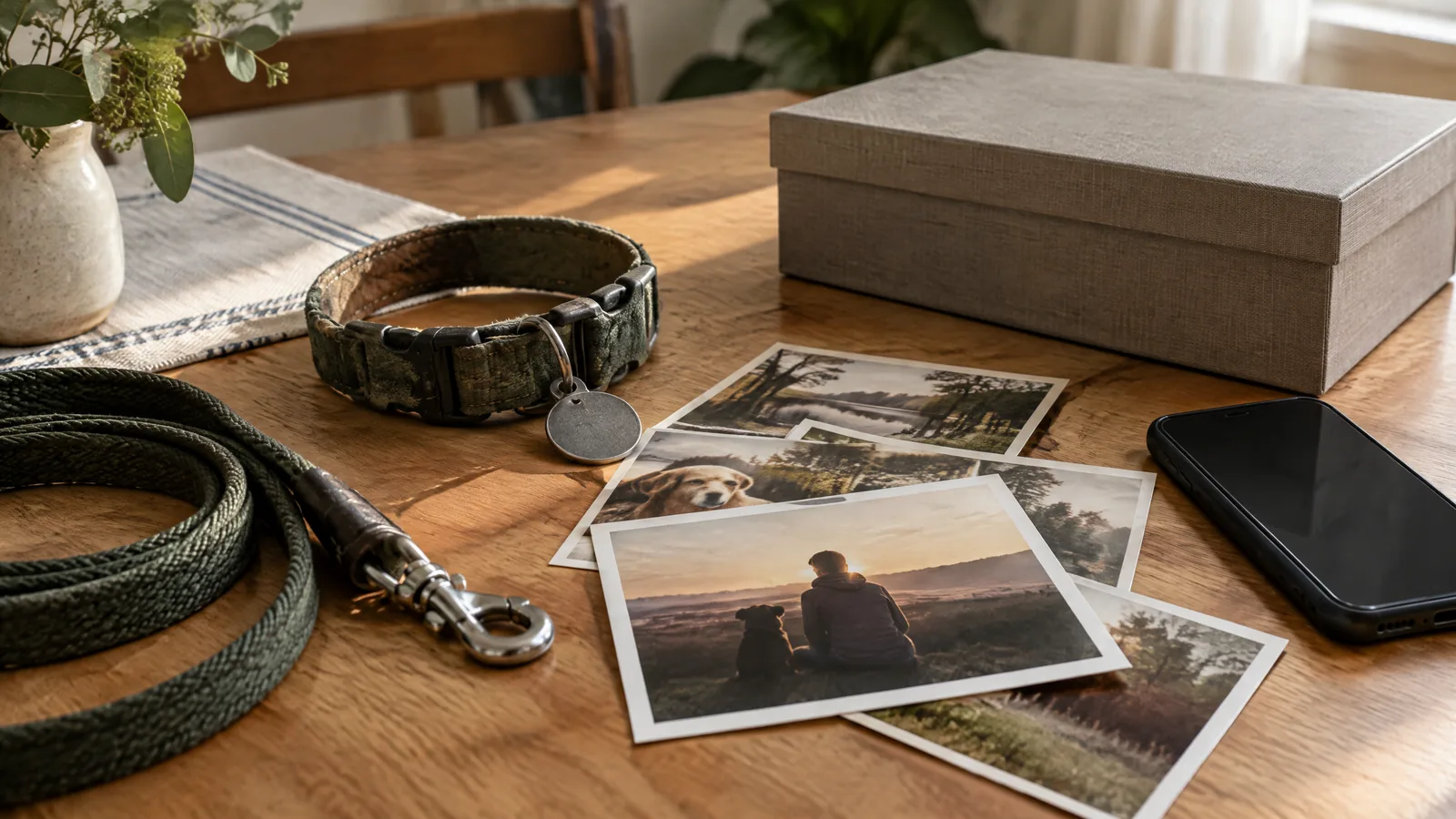
A collar, a tag, a lead, and a handful of photographs may hold different places in a family’s story.
Read this article
Photographs, records & digital legacy · 17 September 2025
The Small Records That Help Tell a Companion’s Story
A name, identifier, date, or change of keeper can offer a quiet thread through photographs and recollections, while remaining only one small part of a companion’s life.
Read this article
Photographs, records & digital legacy · 15 September 2025
A Memory Everyone Can Read: Making a Multilingual Pet Memorial Page Feel Like Home
A source-led reflection on keeping a memorial page understandable for a family in more than one language, and the ordinary details that can hold a companion’s story.
Read this articleA place for their story
Remember a life, one link at a time.
Explore Paw & Memory at the address below, or scan the QR code to open the memorial starting point in your browser.
Explore memorials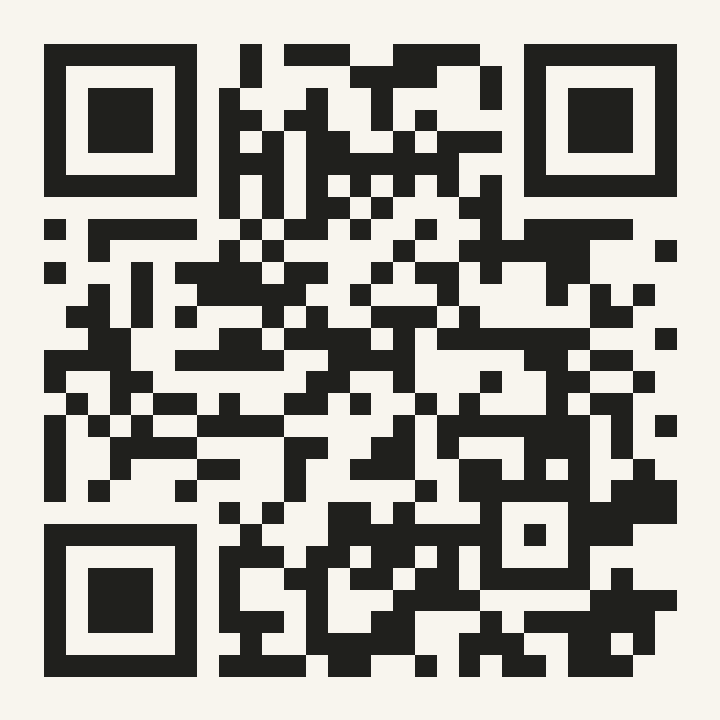 Scan or visitpawmemory.live/