
Paw & Memory Journal · Shared stories & family life
The Stories Our Companions Leave Us to Share
A family story can begin with a remembered ritual, a familiar place, or a question asked with care—and remain entirely the speaker’s to share or keep.
6 October 2025
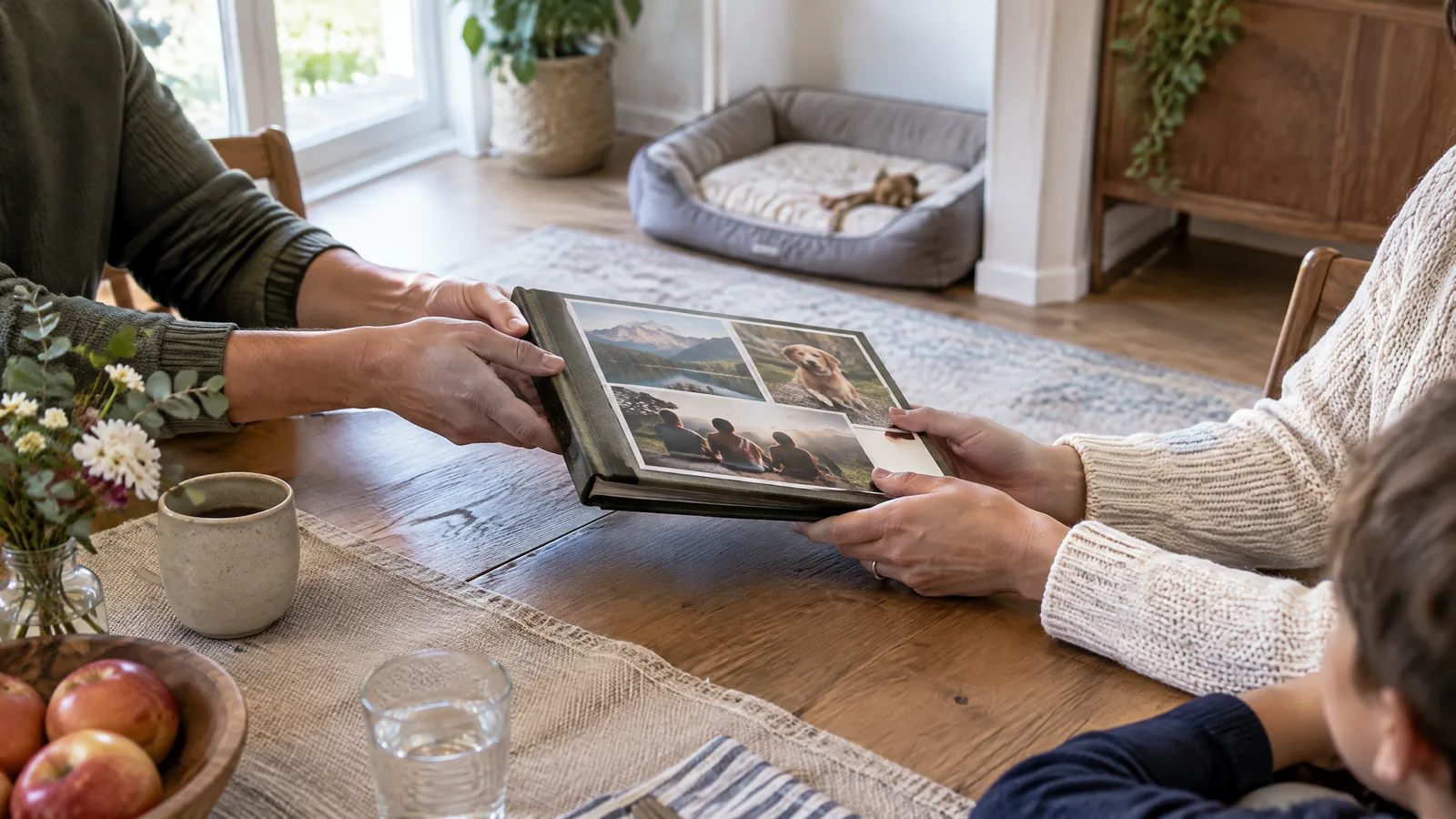
A grandparent’s memories of a companion may offer younger family members a glimpse of everyday life across generations. Listening can be simple and unhurried, with room for stories, silence, changing feelings, and the choice to keep the moment private.
A family story does not need a grand beginning. It might start with a name, a sound remembered from another room, or the shape of a familiar walk through a neighborhood. When a grandparent speaks about a companion animal, small details can make the past feel close without requiring anyone to turn it into a polished account. A younger relative may hear how the household made room for a particular presence, or learn which ordinary moments became worth remembering. The invitation is not to produce a complete history, nor to make grief mean the same thing to everyone. It is simply to make space for one person’s recollection, in their own words and at their own pace. Some grandparents may welcome the subject; others may not have lost a companion, may prefer not to talk about one, or may want the conversation to remain elsewhere. A story belongs first to the person who carries it. That remains true whether it is shared around a table, written down, or left unspoken.
A gentle opening can leave more room than a question that expects a particular kind of answer. A prompt might be: “What little routine do you remember most clearly?” Another might be: “Was there a place you often went together?” These are possibilities, not a list to work through. The speaker might recall a daily rhythm, a distinct personality, a favorite corner of a home, or a season of life that the companion was part of. They might answer briefly, wander into a different memory, or say they would rather not continue. Each response can be accepted without coaxing for more. If the memory is uncertain or told differently on another day, listening need not become a test of accuracy. A recollection can be meaningful as the speaker remembers it, while family members can distinguish a personal memory from a detail independently confirmed elsewhere. Questions are most generous when they offer a doorway, not an expectation that someone must walk through it.
Before saving a voice, image, or written account, ask whether the person wants it recorded and explain who might hear or see it. A conversation can stay in the room; a memory can be written in the grandparent’s own hand, dictated only for private keeping, or shared without any record at all. The person telling the story can skip a question, pause, change direction, or ask for a recording to stop. They may also want to review words before anyone passes them along. Names, family details, photographs, and the companion’s story deserve the same care as the conversation itself. Not every household has the same customs, resources, or relationships, and not every family member will want to take part. A small album, a page in a notebook, or a conversation remembered imperfectly can each be enough; choosing none of them is also a valid choice. The point is not to create a keepsake on schedule, but to respect the person whose words are being offered.
Remembrance can change shape over time. A detail that feels easy to share one day may feel tender on another, while a quiet story may surface unexpectedly years later. Grief has no single timetable or required form, and speaking about a companion does not promise closure or a lighter feeling. It can simply be one way a family makes room for an individual memory, alongside silence, private reflection, or customs shaped by personal, cultural, and spiritual beliefs. Grandparents are not only keepers of the past, and younger relatives need not become custodians of every story. Each person can decide what to carry forward and what to leave private. If a memory is shared, its value need not depend on its length, polish, or audience. It may be a few words about an ordinary ritual, a remembered place, or the way a companion became part of a particular chapter of family life. Listening with care leaves the story open: available to be told, changed, or held close, without asking it to serve a ne
Continue reading
Related articles.
Shared stories & family life · 5 November 2025
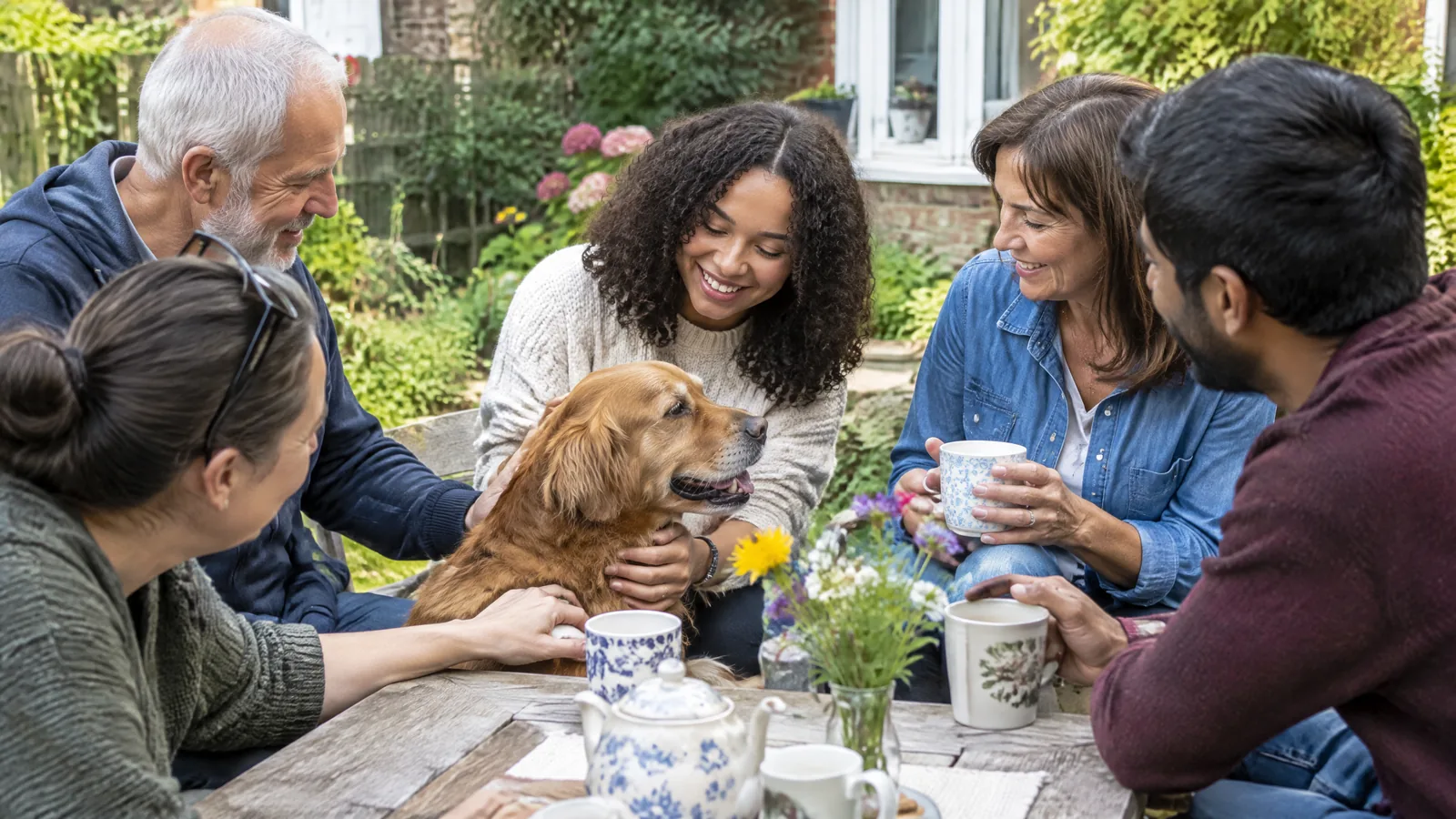
The Circle of Care: Remembering Everyone Who Loved a Companion
A companion’s place in a family story is often shared. Remembering them can include the many people, and the ordinary moments, that made that story together.
Read this article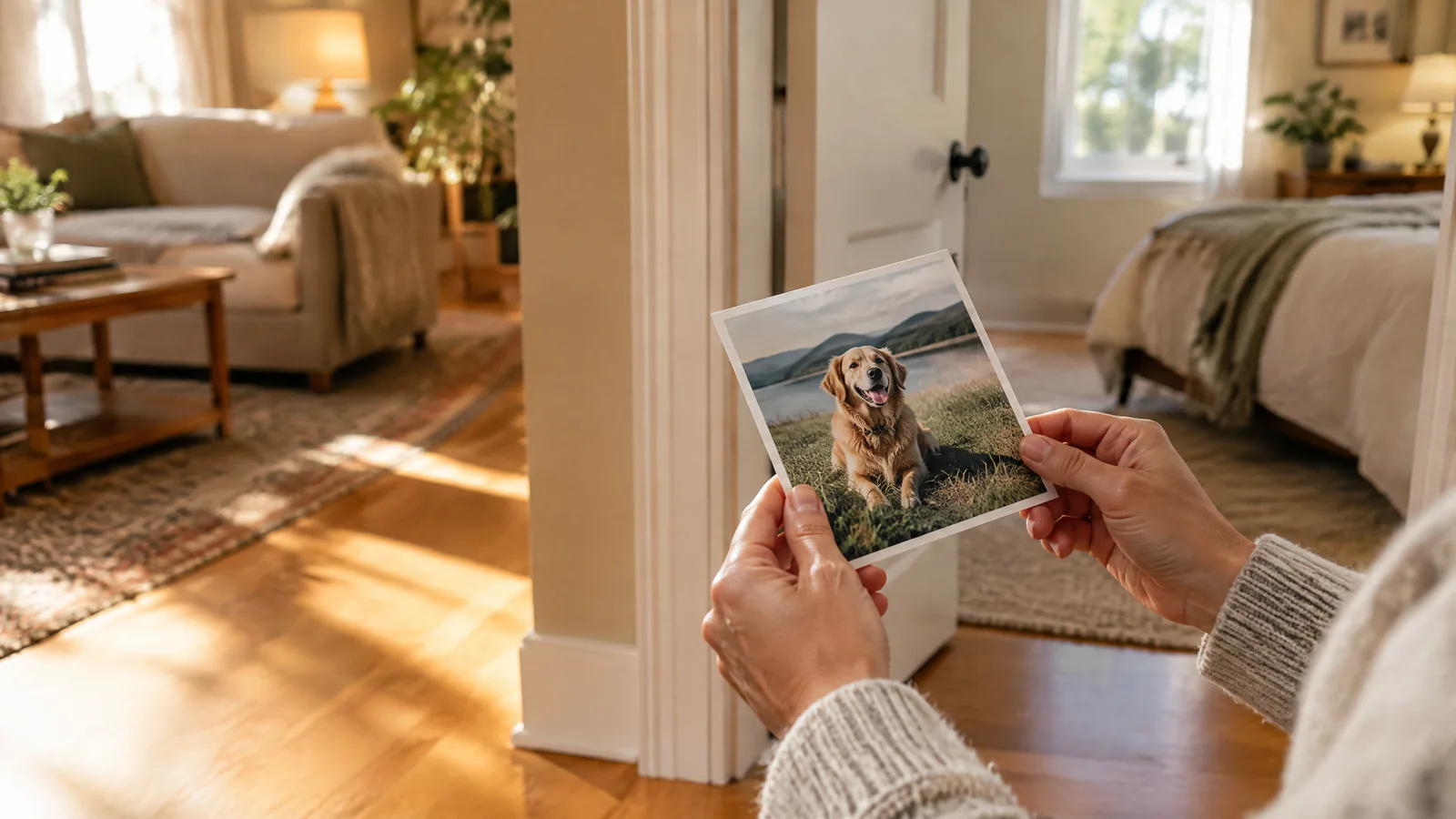
Shared stories & family life · 3 November 2025
The Photograph That Opens the Door to a Story
A familiar photograph can offer a shared place to begin, while leaving room for different memories, new observations, and silence.
Read this article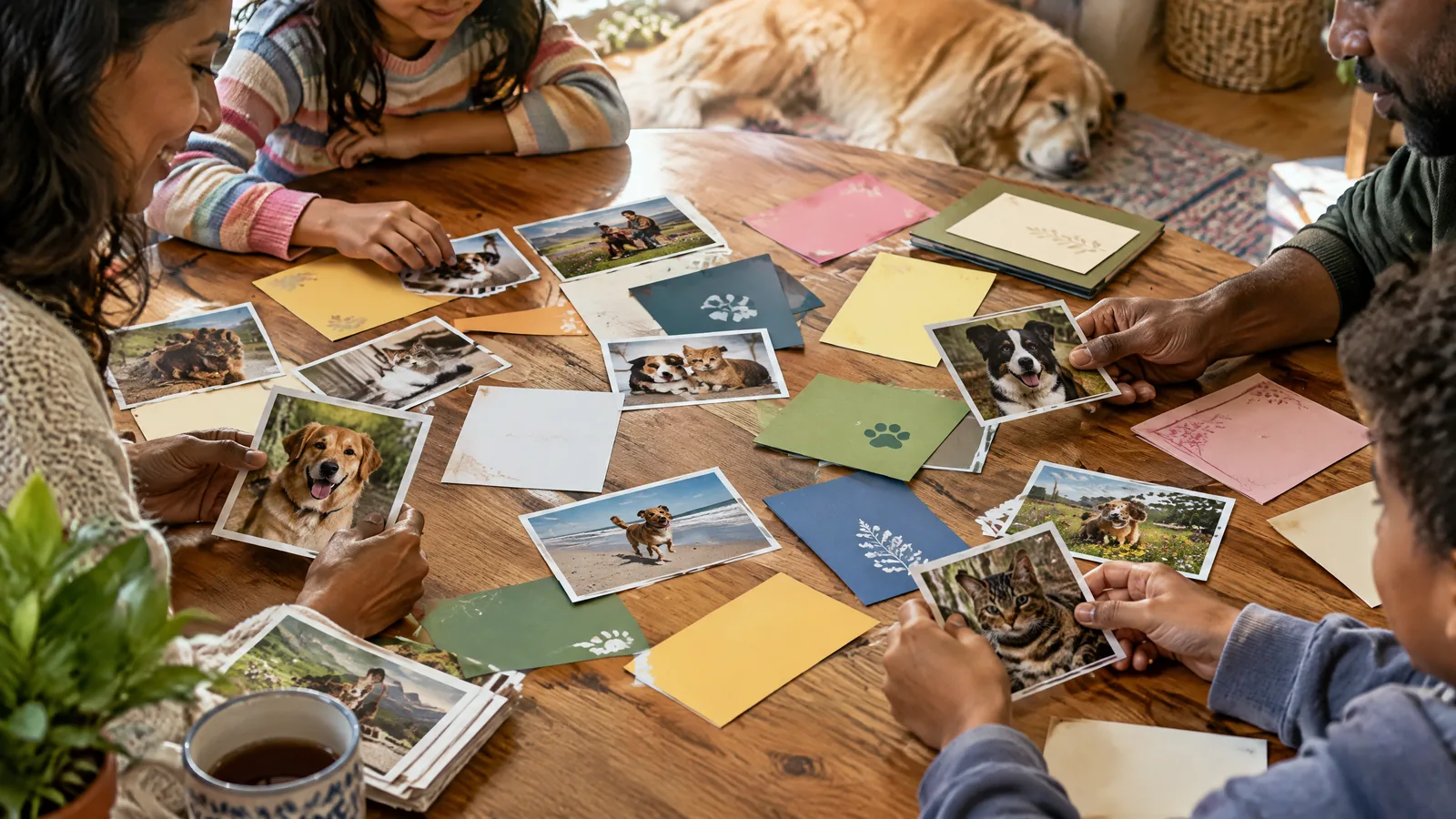
Shared stories & family life · 31 October 2025
The Many Languages of a Beloved Companion’s Story
A reflection on the many ways a family can remember a beloved companion, in words shared, translated, or left gently unspoken.
Read this articleA place for their story
Remember a life, one link at a time.
Explore Paw & Memory at the address below, or scan the QR code to open the memorial starting point in your browser.
Explore memorials Scan or visitpawmemory.live/