
Paw & Memory Journal · Shared stories & family life
The Stories We Keep: How Someone Close Can Help a Pet’s Memory Live On
A sibling or close friend may help keep a pet’s place in a shared story by listening, remembering, and making room for different ways of saying goodbye.
8 October 2025
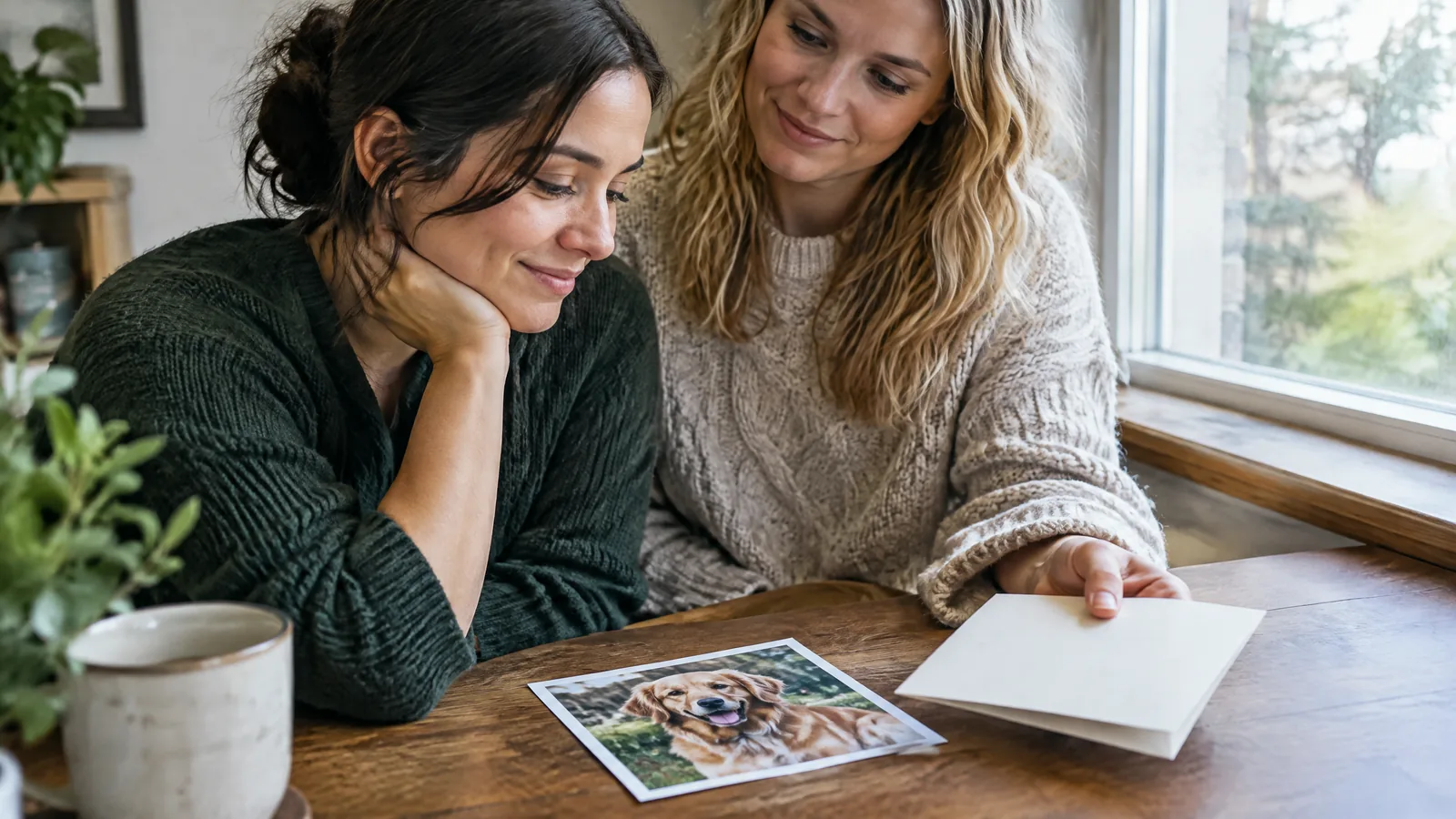
After a pet dies, the people who knew them may remember different details and find different ways to hold on to them. A sibling or close friend can make space for those memories without taking charge of how remembrance should look.
When a pet dies, the absence can be present in ordinary parts of a day: a familiar patch of sunlight, a sound from the hallway, or the space where a bowl once stood. People close to the person who is grieving may want to acknowledge that absence, yet worry about saying too much or too little. A sibling or close friend can offer something simple and meaningful: room for the pet’s story to remain part of conversation. That does not mean knowing exactly what the other person needs, or finding words that make loss feel smaller. It can mean being willing to listen when a memory comes up, and letting a quiet moment stay quiet when it does not. The pet’s story belongs first to the people who shared life with them. A companion’s part may be to help make space for it, without deciding what the story should mean or how often it should be told.
Shared memories are rarely identical. One person may remember a pet’s particular greeting; another may recall a small household routine or a funny habit. Someone who knew the animal well might hold vivid details, while a friend who met them only occasionally could remember a single visit. These differences need not compete. Listening without correcting every detail, changing the subject, or turning a memory into a lesson can leave room for several versions of a relationship to sit side by side. Sometimes the bereaved person may welcome a question about the pet; sometimes bringing up the animal may feel unwelcome on that day. There is no single reliable signal that applies to everyone, and a close relationship does not grant permission to take over. A gentle opening, followed by attention to the other person’s response, can respect both the importance of the memory and the possibility that they would rather talk about something else.
Some memories are carried in conversation; others find a place in objects or creative work. A small collection of photographs, a scrapbook, a memory box, or a piece of writing made together may suit some people, while others may prefer to keep mementos private or not gather anything at all. One child-focused resource includes scrapbooks and memory boxes among possible ways to remember a pet; that is a narrow example of options, not a rule about what any child or family should choose. Even a familiar date may be marked, left alone, or approached differently from one year to another. Access to photographs, personal belongings, time, and materials varies, as do family customs and relationships. A remembrance does not need to be elaborate, shared, or visible to matter to the person who keeps it. Nor does declining a ritual say anything simple or final about the bond. The form, if there is one, can belong to the people involved.
For a sibling or close friend, perhaps the most respectful contribution is not to produce a finished tribute but to stay beside the person whose memories are unfolding. That may mean sharing a story when invited, keeping a photograph safe, or allowing the pet’s name to be spoken without rushing toward a brighter conclusion. It may also mean accepting that two people who miss the same animal can want different things: one may enjoy looking back together, while another would rather remember quietly. Neither person has to make the same choices, and there is no timetable by which remembrance should become easier or less visible. Families can be complicated, and a close friend may be the person someone chooses to share these memories with. What matters is not a particular ceremony or a perfectly assembled collection, but the care taken to leave the story in the hands of those who lived it. In that space, the pet can remain part of a shared life without anyone being asked to remember in just
Continue reading
Related articles.
Shared stories & family life · 5 November 2025
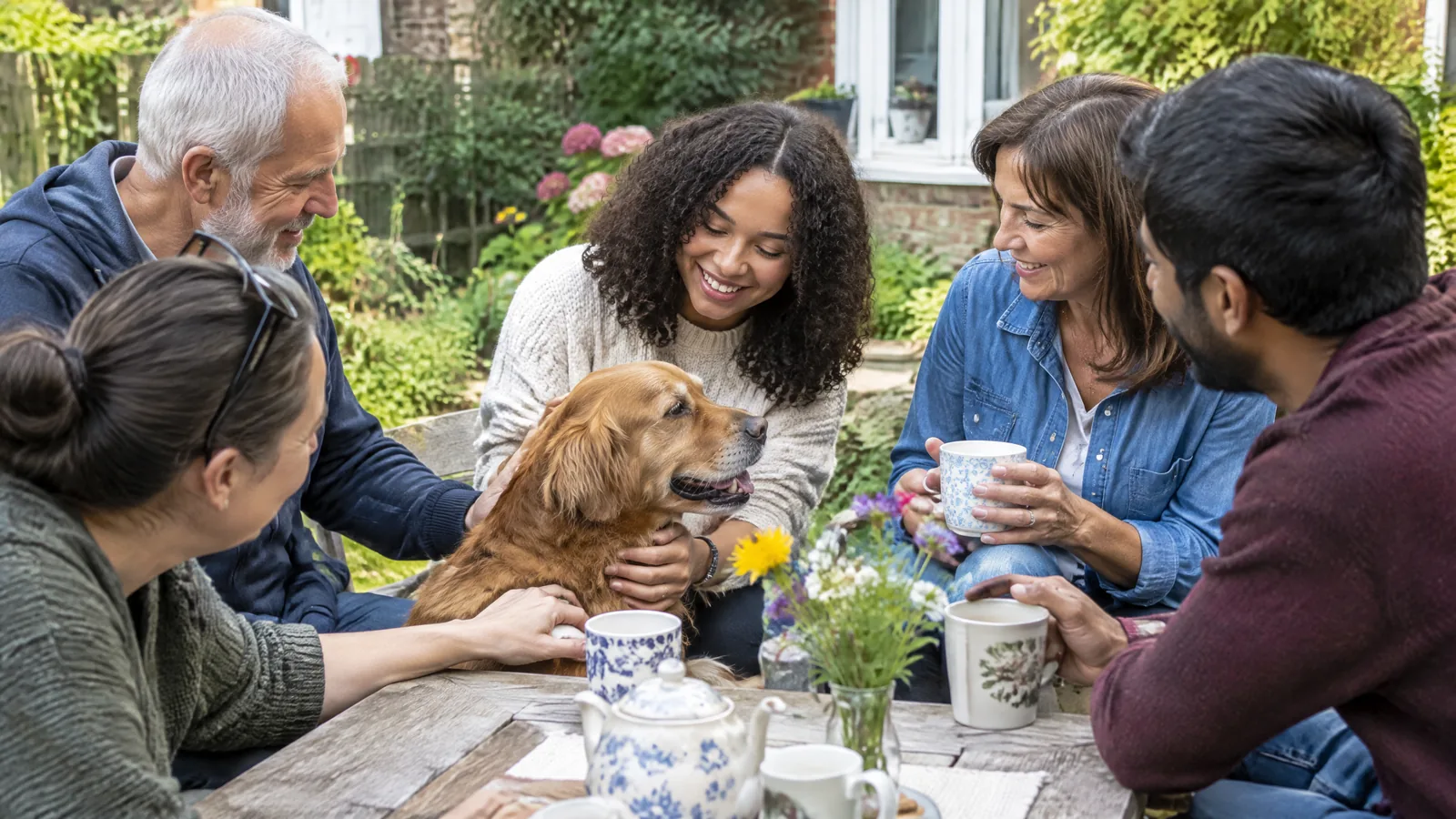
The Circle of Care: Remembering Everyone Who Loved a Companion
A companion’s place in a family story is often shared. Remembering them can include the many people, and the ordinary moments, that made that story together.
Read this article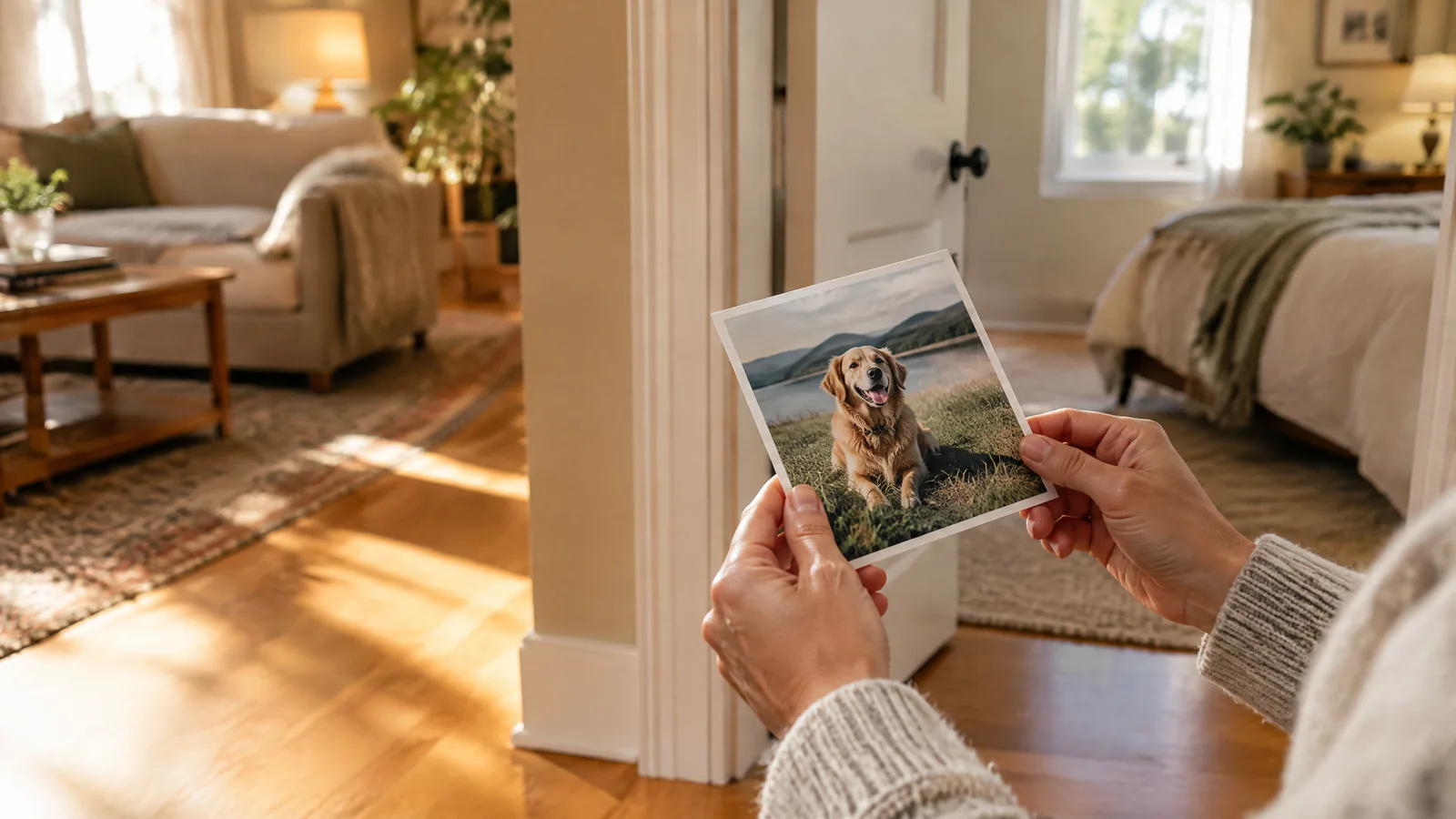
Shared stories & family life · 3 November 2025
The Photograph That Opens the Door to a Story
A familiar photograph can offer a shared place to begin, while leaving room for different memories, new observations, and silence.
Read this article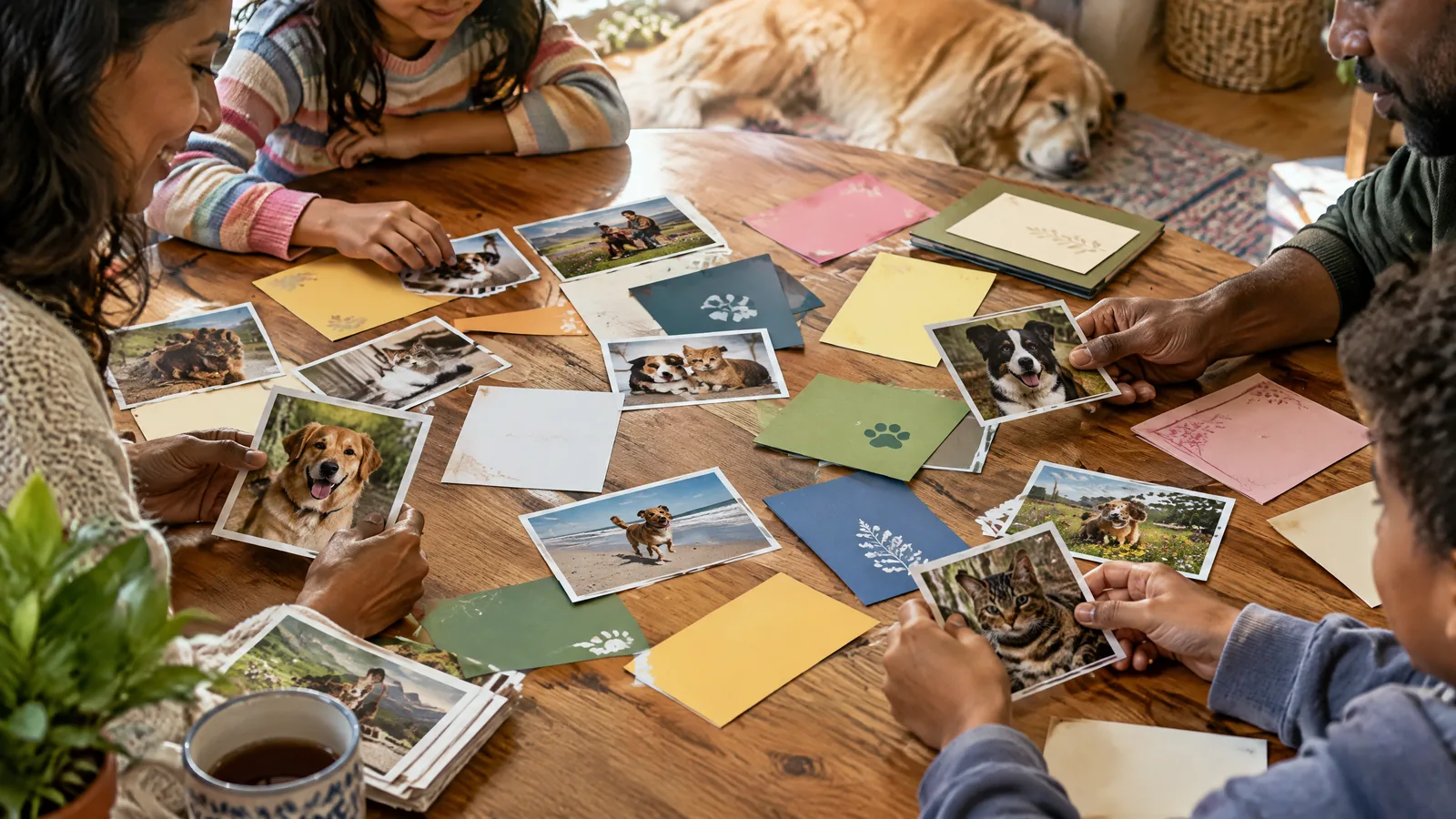
Shared stories & family life · 31 October 2025
The Many Languages of a Beloved Companion’s Story
A reflection on the many ways a family can remember a beloved companion, in words shared, translated, or left gently unspoken.
Read this articleA place for their story
Remember a life, one link at a time.
Explore Paw & Memory at the address below, or scan the QR code to open the memorial starting point in your browser.
Explore memorials Scan or visitpawmemory.live/