
Paw & Memory Journal · Connection, culture & community
What We Choose to Carry Forward: Remembering a Pet Through Community
A reflection on the values that can remain part of a family’s story, and the many ways a community connection may honor them.
14 November 2025
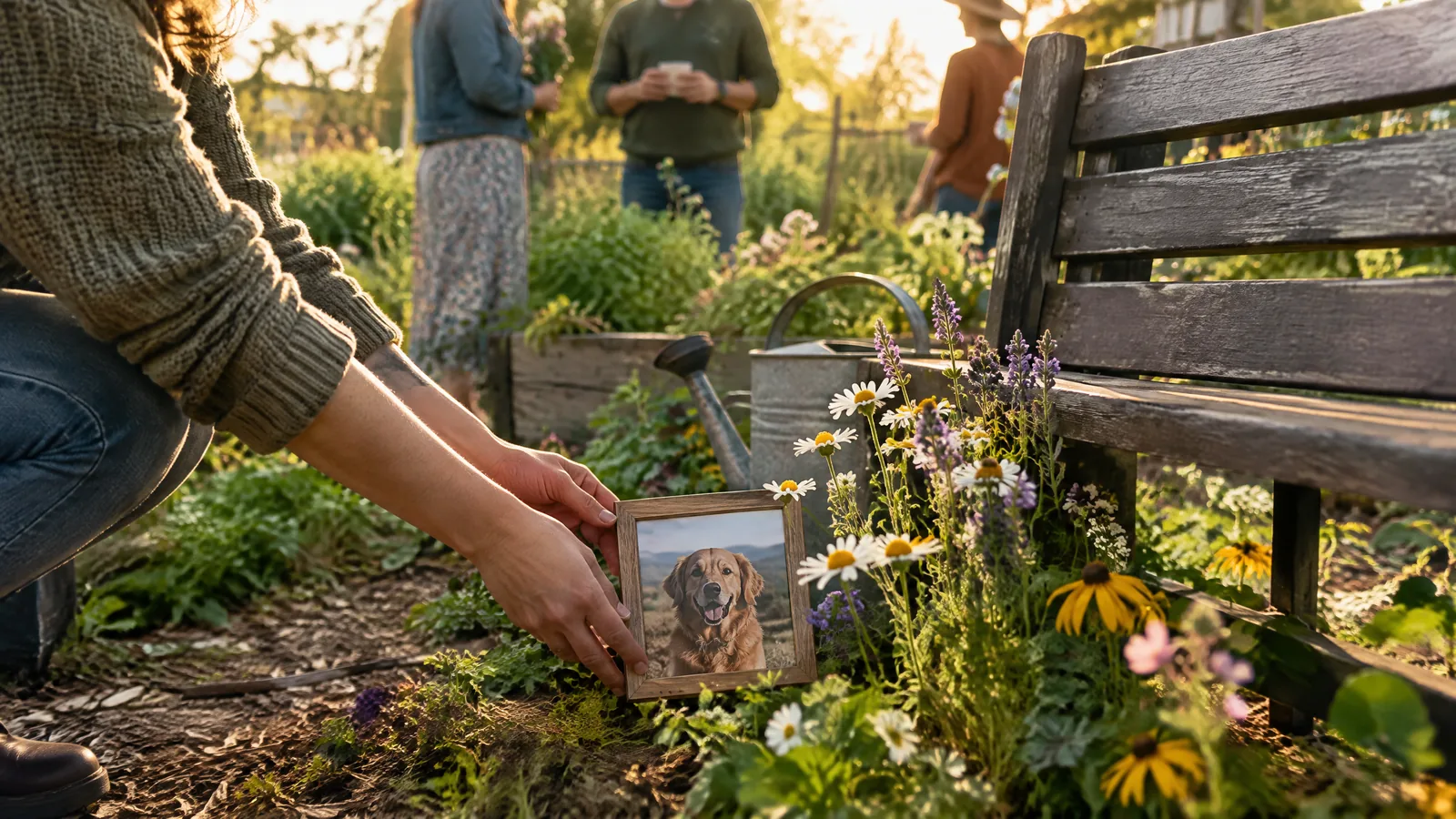
Remembering an animal may begin with the qualities that shaped a shared life: patience, kindness, responsibility, or belonging. For some families, a local charity offers one possible connection to those values; for others, remembrance stays private.
When an animal has been part of a family’s daily life, remembering them can bring many parts of that life into view: familiar routines, shared spaces, and the qualities people associate with the relationship. A family might recall patience, tenderness, responsibility, humor, or the simple habit of making room for another living being. These meanings need not be identical from one person to another. Even within a household, one person may remember a particular ritual while someone else holds close a different quality. Naming what mattered can offer a way to speak about the animal without having to make the memory polished or complete. It can also leave room for the fact that affection and absence may sit alongside one another. Some people may want to mark the relationship openly; others may prefer an inward, quiet form of remembrance. Neither choice has to stand as a measure of how deeply the animal mattered.
Sometimes a family’s reflection turns toward the values they would like to carry forward. If kindness was central to how they remember sharing life with an animal, they may notice that value in small acts of care toward neighbors or other creatures. If responsibility is part of the memory, it may prompt thoughts about the commitments that shape a household or community. These are possibilities for meaning, not duties to fulfill, and they do not require a public tribute or a particular kind of action. The word “family” can mean different things, too: it may include relatives, friends, chosen kin, or people who shared daily care. Beliefs about animals, remembrance, and what follows a loss vary widely. A considerate community leaves space for that variety, without assuming that everyone wants to speak, gather, donate, or explain what the relationship meant.
For some, a local animal charity may feel connected to values they associate with their animal: concern for vulnerable creatures, shared responsibility, or a wish for animals to be treated with care. Learning about an organization can be a way to understand what work is happening nearby, while keeping in mind that each group has its own remit and limits. A family might choose to support work that feels aligned with its priorities, or simply learn more. Giving money, volunteering, attending an event, or sharing information are optional possibilities—not requirements and not proof of devotion. A tribute can also remain private, cost nothing, and involve no charity at all. Before attaching a memorial to an organization, it can be useful to distinguish what that organization says it offers from what a family hopes its support will mean. No single gesture can define a bond, and no contribution should be treated as a promise about an individual animal’s outcome.
Blue Cross describes an online memory wall as one place where people can remember a pet, an example of a public option rather than a universal model for remembrance. A memorial page may suit someone who wants a shared space for words or memories; another person may find the right form in a photograph kept at home, a story told among relatives, or no formal marker at all. Community connection need not mean that everyone grieves together or in the same way. It can be as modest as recognizing that care for animals is a value shared by people and organizations, while allowing each family to decide whether that connection belongs in its remembrance. What carries forward may be a quality, a story, or a private understanding of the place an animal held. The meaning does not depend on a public display, a donation, or a finished account of loss; it can remain personal, changing, and entirely one’s own.
Continue reading
Related articles.

Connection, culture & community · 22 December 2025
The Stories We Return To: Remembering a Companion in Our Own Time
A companion’s story can remain woven through ordinary days, shared places and the memories people choose to revisit—or leave resting for a while.
Read this article
Connection, culture & community · 19 December 2025
A Place to Keep the Story: Remembering Quietly, Sharing Carefully
A reflection on keeping an animal’s story meaningful and findable while choosing carefully who may see it.
Read this article
Connection, culture & community · 17 December 2025
The Places We Carried Home: Remembering a Pet Across Borders
Across moves, languages, and changing homes, a pet’s place in a household story can offer a gentle way to remember what traveled—and what changed.
Read this articleA place for their story
Remember a life, one link at a time.
Explore Paw & Memory at the address below, or scan the QR code to open the memorial starting point in your browser.
Explore memorials Scan or visitpawmemory.live/