
Paw & Memory Journal · Shared stories & family life
When Grief Comes to Work: Making Room for Pet Loss
A reflection on privacy, choice and the small acts of consideration that can make room for pet loss in working life.
3 October 2025

A colleague may want to name a pet’s death, keep it private, or say very little. Workplace kindness can begin with respecting that choice and making space for an individual’s boundaries.
A pet’s death can enter a working day without announcing how much space it will take up. Someone may mention it briefly, ask for privacy, or choose not to share the news at all. They may have lived with an animal for many years, shared care across households, or held a close bond in circumstances others do not know. There is no single outward expression that shows how important that relationship was. A person who keeps working, speaks calmly, or says little is not necessarily indicating that the loss matters less. Nor does visible emotion invite colleagues to ask for private details. At work, kindness often begins with leaving room for different ways of being present, without ranking one person’s grief against another’s or expecting a particular account of it.
For a colleague who wants to say something, a simple acknowledgement may be enough. A person might say, “I’m sorry about your pet,” or simply recognise that they have heard the news, then let the colleague decide whether to continue. If the news comes through someone else, it is worth considering whether the person has agreed to have it shared. A private check-in can give them a choice about conversation, while a message can allow them to respond when they wish. Questions about the animal, the circumstances of the death, or what happened next may be well meant, but details belong to the person grieving. Silence can be respectful too. A kind exchange need not become a public announcement, a group gesture, or a series of follow-up messages. Attention to consent can matter more than finding elaborate words.
Managers and colleagues may be able to offer a little breathing room, while recognising that work arrangements differ. That could mean listening to what the person says would be useful, or checking whether any practical flexibility is available in their role. It may also be appropriate to clarify what the employer’s own policy says about time away or other support. General workplace guidance about supporting someone after a death has encouraged asking what support they want and being clear about what can be offered. That guidance concerns a human death; it is not pet-loss-specific guidance and does not establish leave rights when an animal dies. Pet loss is not automatically covered by statutory bereavement leave, and any relevant rights or workplace provisions can vary with jurisdiction, contract and employer. Where the answer is uncertain, it is better not to imply that a particular benefit exists. Clear, modest information can be kinder than confident promises.
There is no universal schedule for when a person should speak about a loss, return to usual routines, or appear settled at work. The meaning of the relationship may be known only to the person, and employment settings vary: a small team, a shift-based role and a remote workplace may each offer different kinds of privacy and flexibility. Some people may welcome ordinary conversation as a way to feel included; others may prefer colleagues not to refer to the loss unless they do so first. Neither preference needs to be treated as a lesson for everyone else. Workplace culture is shaped by such everyday choices: whether private information is kept private, whether questions are offered without pressure, and whether the limits of available support are explained honestly. A considerate workplace cannot make a loss simple, and it need not claim to know how another person feels. It can still leave space for someone to decide what to share, what help to accept, and when the working day is simply
Continue reading
Related articles.
Shared stories & family life · 5 November 2025
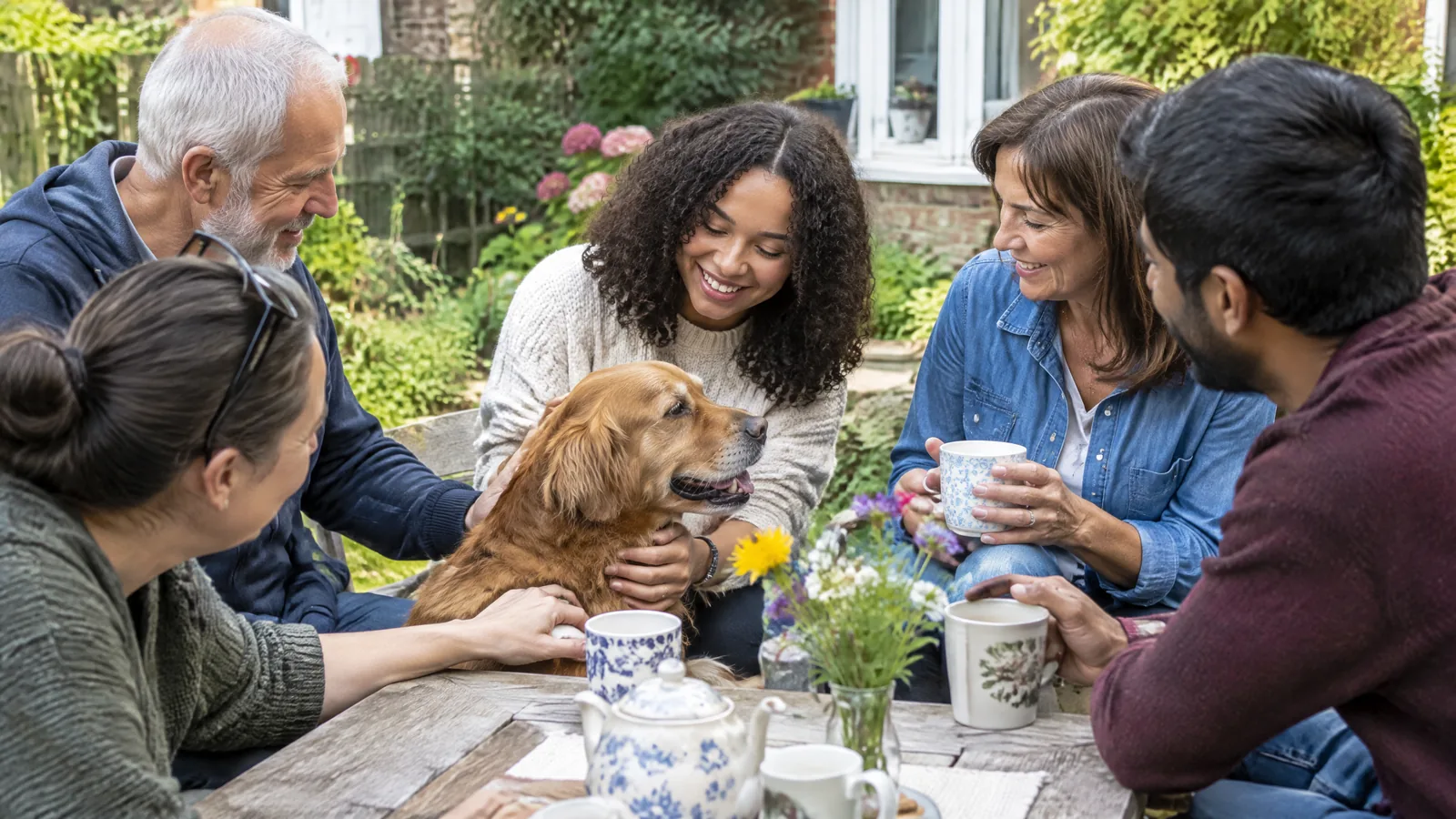
The Circle of Care: Remembering Everyone Who Loved a Companion
A companion’s place in a family story is often shared. Remembering them can include the many people, and the ordinary moments, that made that story together.
Read this article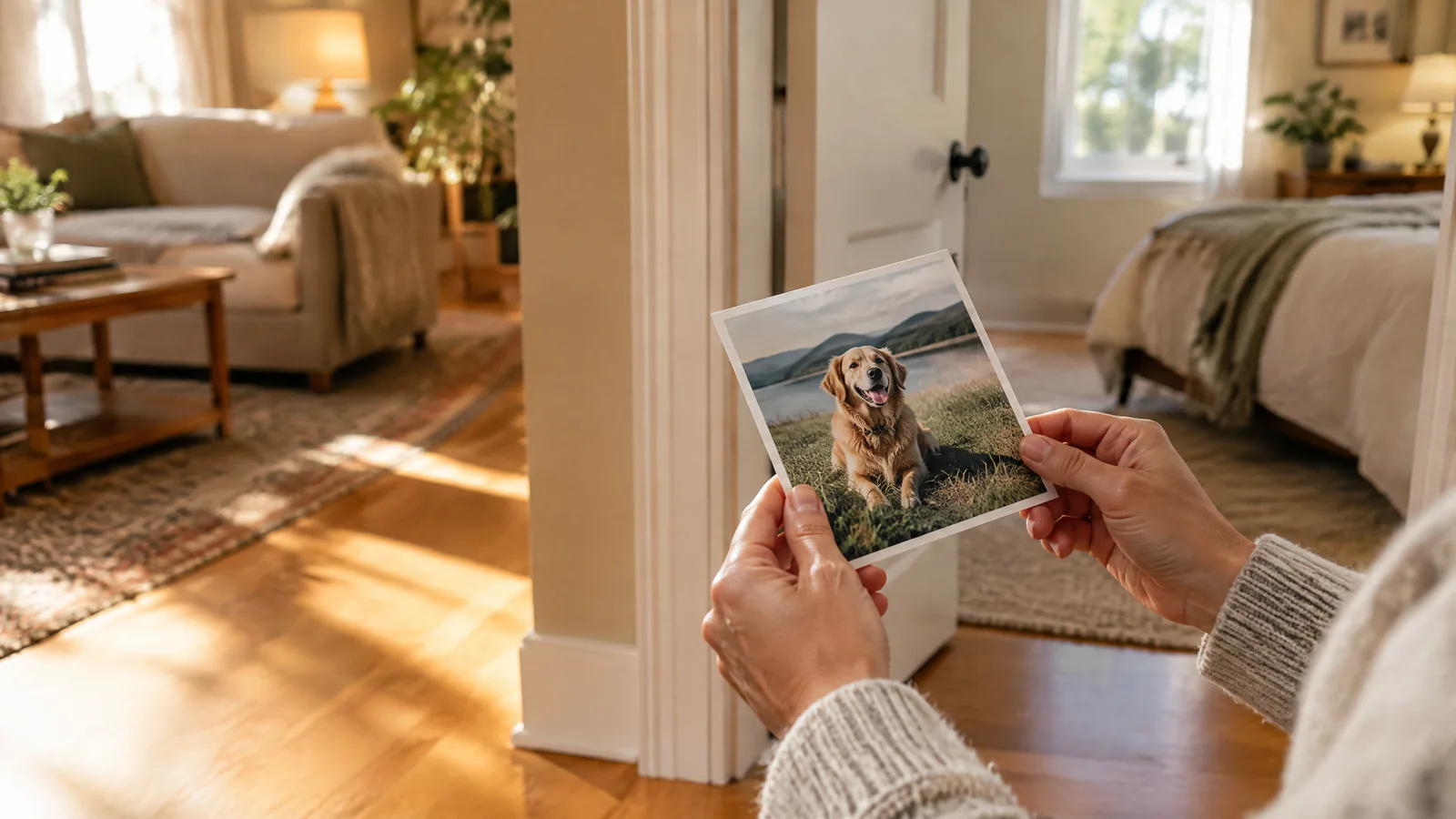
Shared stories & family life · 3 November 2025
The Photograph That Opens the Door to a Story
A familiar photograph can offer a shared place to begin, while leaving room for different memories, new observations, and silence.
Read this article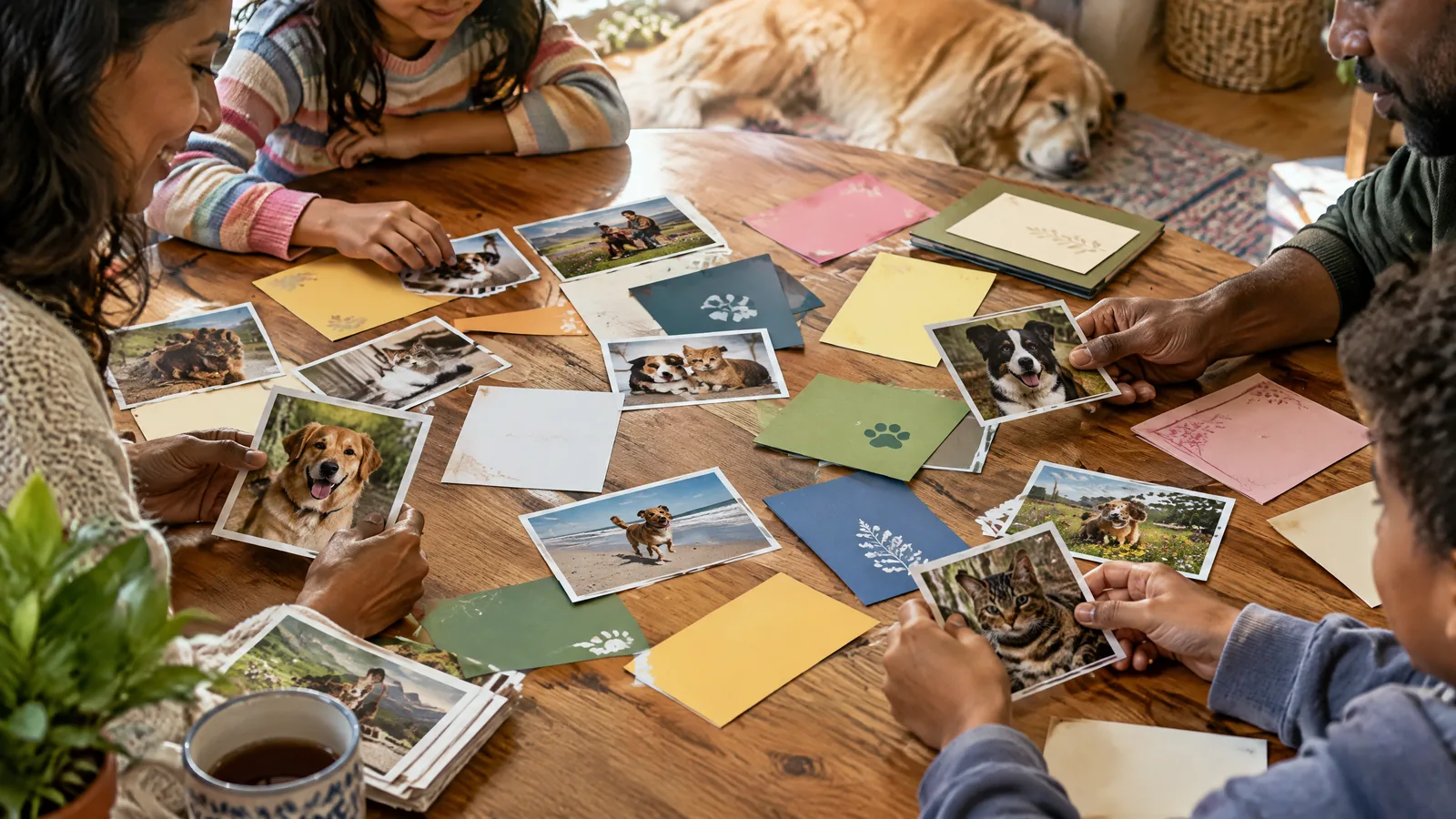
Shared stories & family life · 31 October 2025
The Many Languages of a Beloved Companion’s Story
A reflection on the many ways a family can remember a beloved companion, in words shared, translated, or left gently unspoken.
Read this articleA place for their story
Remember a life, one link at a time.
Explore Paw & Memory at the address below, or scan the QR code to open the memorial starting point in your browser.
Explore memorials Scan or visitpawmemory.live/