
Paw & Memory Journal · Behavior, Training & Enrichment
Dogs, Separation, and the Meaning of Alone Time
Separation anxiety invites a thoughtful conversation about companionship, household absences, and the limits of what a label can tell us.
3 April 2026
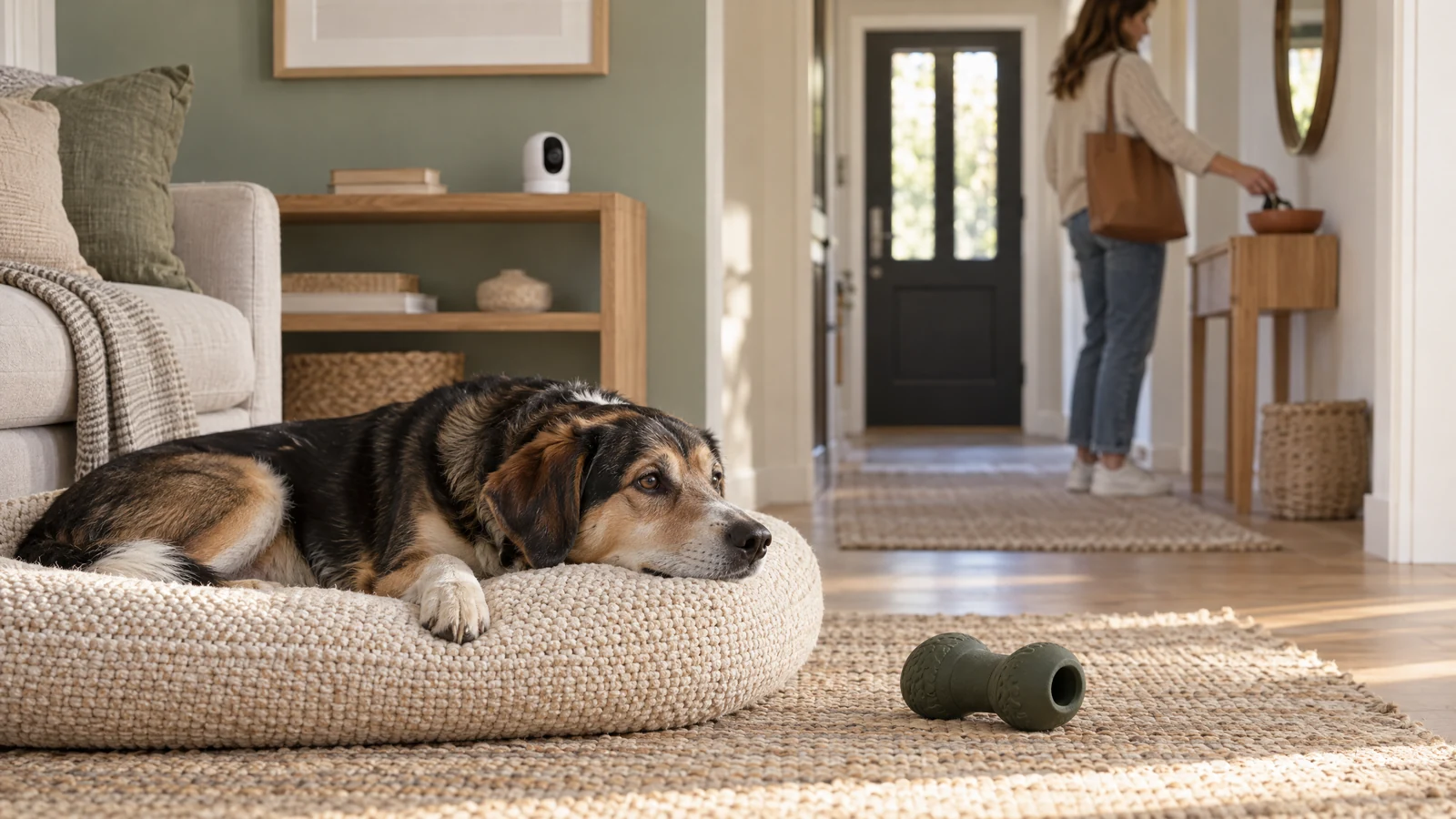
The subject of dogs and alone time sits between everyday household life and questions of welfare. A compassionate account leaves room for uncertainty rather than turning an absence into a story about blame.
A closed front door is an ordinary image of household life, yet it carries particular weight in conversations about dogs and separation anxiety. The subject brings companionship and absence into the same frame: the shared home, the departure, and the time beyond a person's view. In general educational writing, that frame offers space for reflection without making a claim about any particular dog's experience. Alone time is the broad subject here, not a measure of a dog's character or a household's devotion.
The language surrounding this topic deserves care. Words such as disobedience and revenge assign intention, while separation anxiety introduces a more specific label. Neither kind of wording belongs automatically to an account of an individual animal. A description of barking or a damaged object is different from an explanation of why it happened. Keeping those two things separate allows a public discussion to acknowledge uncertainty without filling the gap with a story about what a dog thought, felt, or meant.
A welfare-centred account also has a boundary between education and individual guidance. General reading can explore the language of separation, the place of companionship, and the questions raised by household absences. It cannot establish what an individual dog experiences, and this article offers no method for changing that experience. Individual questions belong with a qualified veterinary professional. That boundary leaves room for thoughtful discussion while keeping the article distinct from personalised instruction.
The quieter heart of this subject is the relationship between presence and absence. Writing about dogs and alone time need not end with an ideal goodbye, a silent home, or a promised resolution. It can instead hold companionship in view while leaving unanswered questions genuinely open. Compassion, in this context, is an editorial stance: the animal is not cast as a villain, the household is not judged from a fragment of information, and uncertainty is not disguised as certainty.
Continue reading
Related articles.
Behavior, Training & Enrichment · 8 May 2026
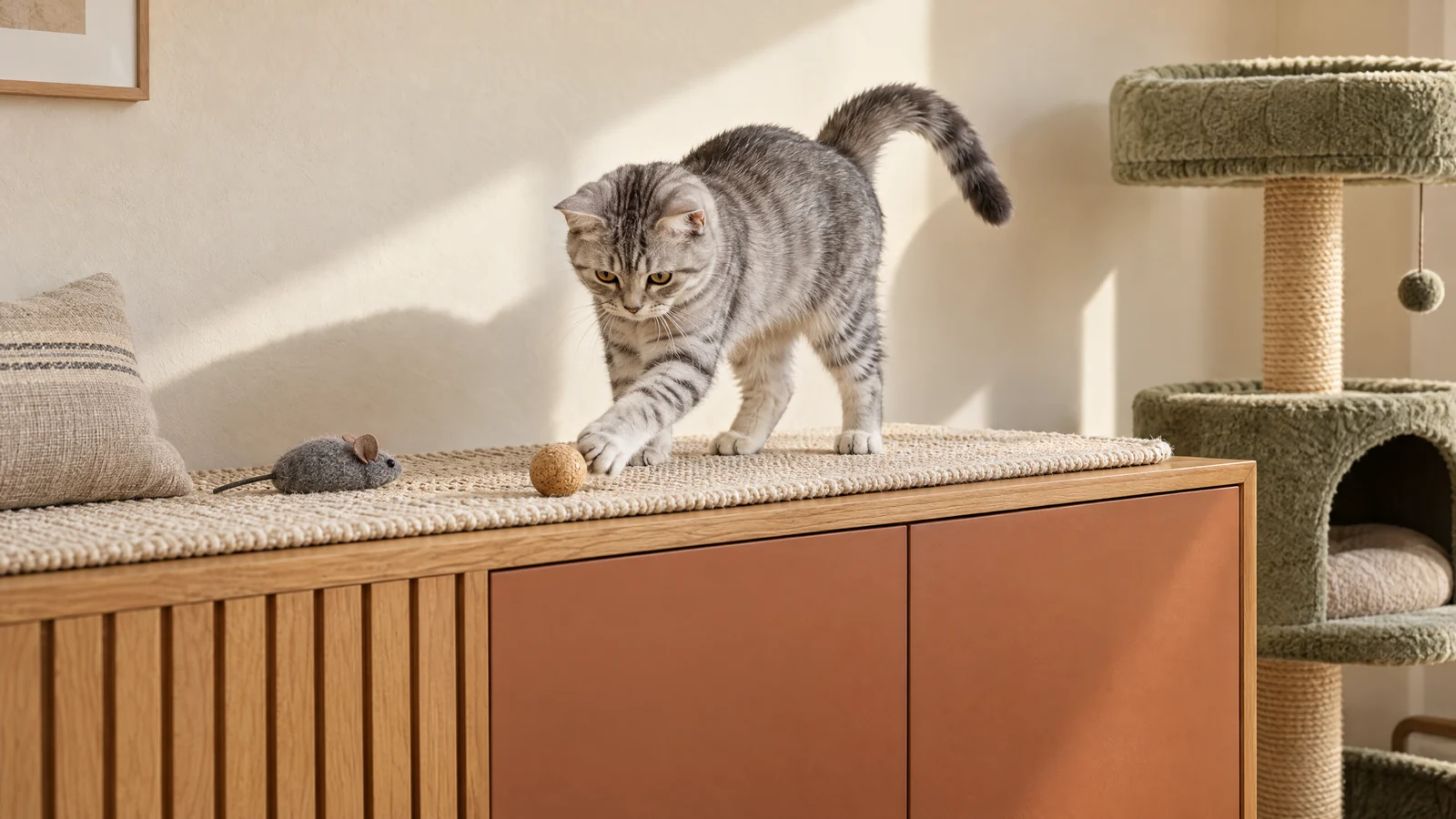
Cats, Tabletop Objects, and the Stories We Tell
A cat batting something from a table sits at the meeting point of feline curiosity and human expectations. The familiar question opens a wider conversation about play, attention, and the meanings people give to everyday behaviour.
Read this article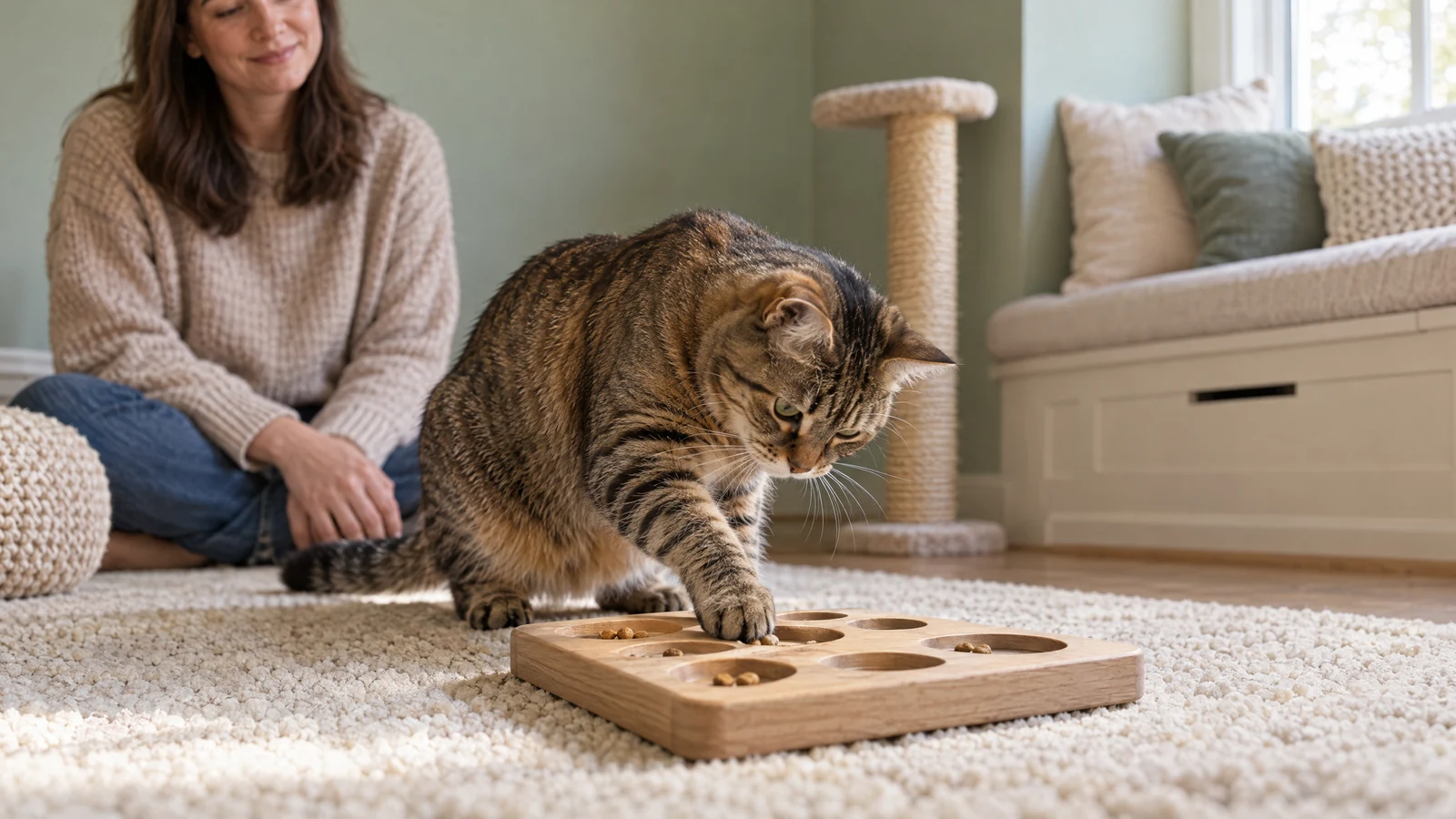
Behavior, Training & Enrichment · 6 May 2026
Cat Puzzle Toys and the Meaning of Play
A reflective look at cat puzzle toys, the language surrounding them, and the place of a single object within the larger idea of an indoor home.
Read this article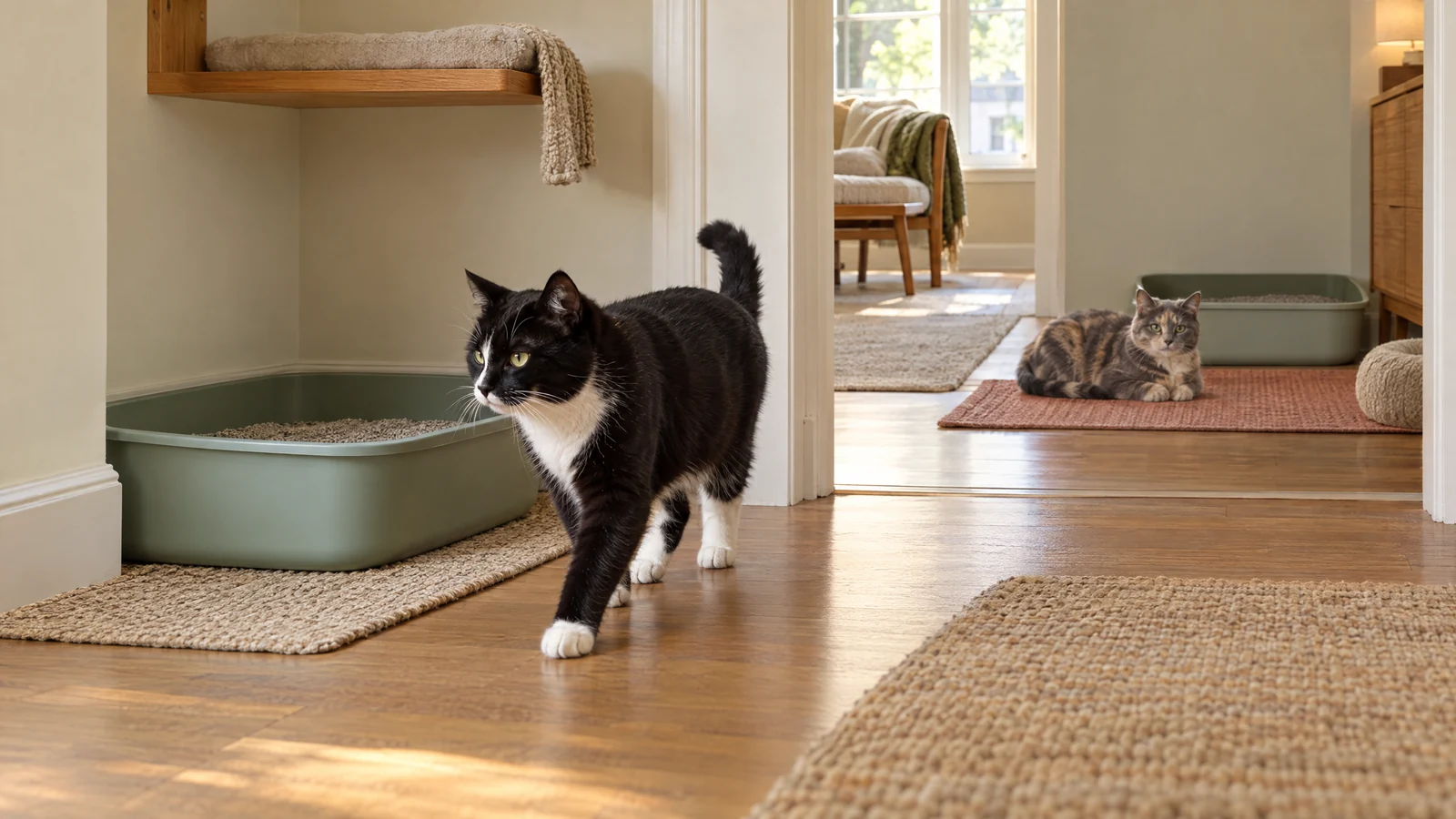
Behavior, Training & Enrichment · 4 May 2026
Litter Boxes and the Shared Geography of a Multi-Cat Home
A reflection on litter boxes as part of shared domestic space, where questions of number sit alongside the quieter subjects of location, privacy, and individuality.
Read this articleA place for their story
Remember a life, one link at a time.
Explore Paw & Memory at the address below, or scan the QR code to open the memorial starting point in your browser.
Explore memorials Scan or visitpawmemory.live/