
Paw & Memory Journal · Behavior, Training & Enrichment
A Dog’s Crate and the Meaning of a Shared Space
A reflection on how crates are discussed in dog welfare writing, and why the language of choice, confinement and household expectations matters.
30 March 2026
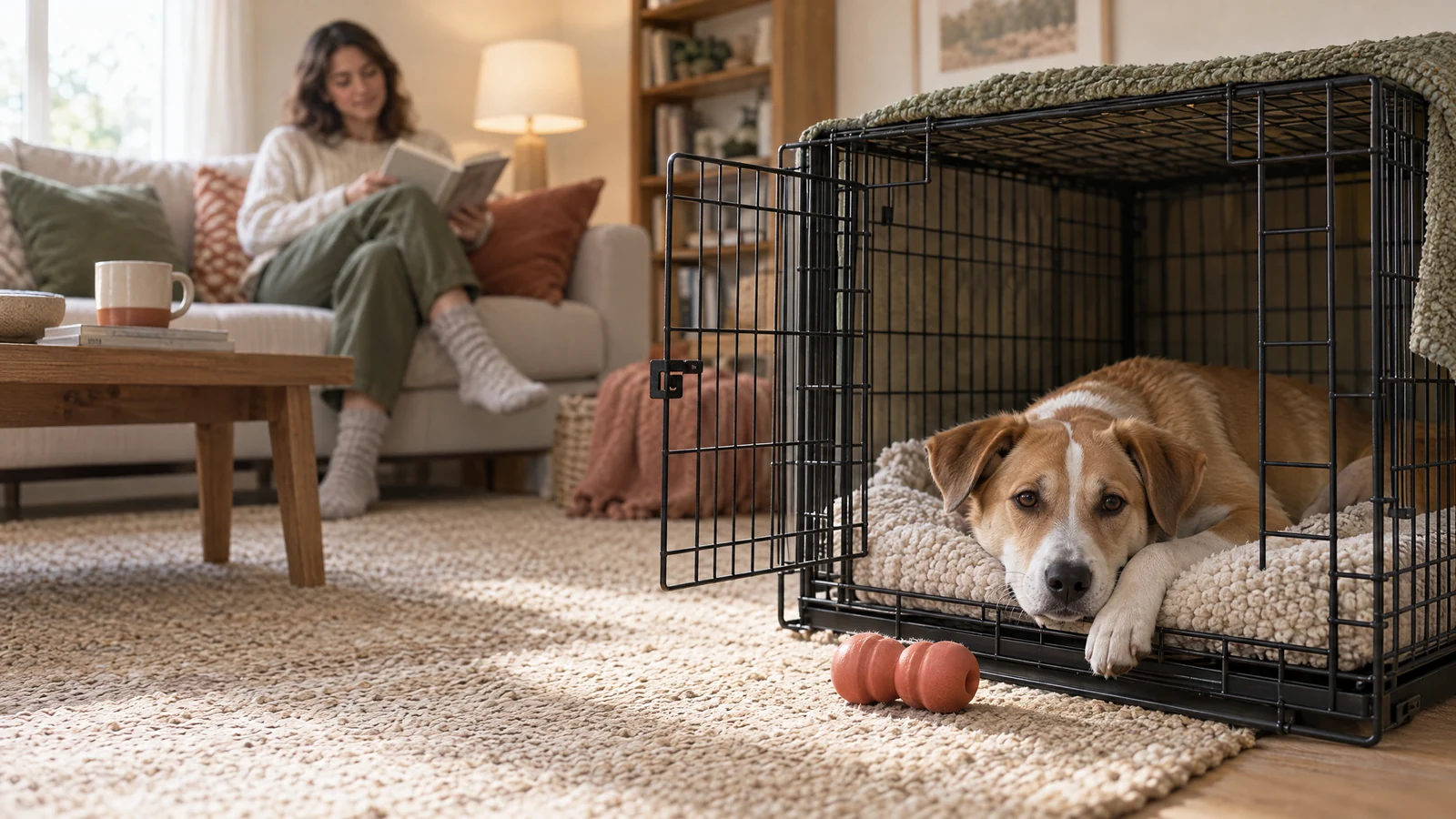
A crate is a familiar object in conversations about life with dogs. Looking beyond the object itself opens a broader discussion about choice, human expectations and the distinction between a resting space and an enclosed space.
A dog’s crate sits at the meeting point of two subjects: the physical arrangement of a home and the language people use about living with animals. In welfare writing, it appears in discussions of rest, travel and confinement. Those contexts give the same object different meanings, rather than making it a single answer to every household question. A public reflection on crates can remain with that distinction, without becoming a set of instructions for introducing one. The subject is not merely a door and an enclosure, but the expectations attached to them.
Choice is a central theme in the welfare discussion surrounding crates. An open resting space and a closed enclosure are distinct arrangements, even when the object itself has not changed. Words such as calm, familiar and comfortable express qualities people value, but they are not guarantees supplied by a piece of equipment. The source material places voluntary participation alongside questions about confinement. Read as general education rather than a method, that emphasis invites attention to the difference between describing a space and assuming what it means to an animal.
Human expectations are another important part of the subject. Conversations about crates often sit beside hopes for quiet nights, an orderly home or an easier transition after a dog arrives. These are household wishes, not evidence of an individual dog’s experience. Welfare-focused writing distinguishes the practical role assigned to an enclosure from moral judgments about a dog being good, difficult or defiant. That distinction gives the discussion a warmer and more precise vocabulary, without turning an observation into a personal conclusion or promising a particular outcome.
A crate therefore belongs within a broader conversation about shared space, not at the centre of a universal rule about life with dogs. The source material presents it as an optional object and gives attention to choice rather than speed or compliance. Those themes can be understood without a timetable, a programme or a recommendation for any household. Individual questions belong with a qualified veterinary professional. At the level of public reflection, the enduring subject is how people describe the spaces they offer animals, and how much meaning they place on an ordinary door.
Continue reading
Related articles.
Behavior, Training & Enrichment · 8 May 2026
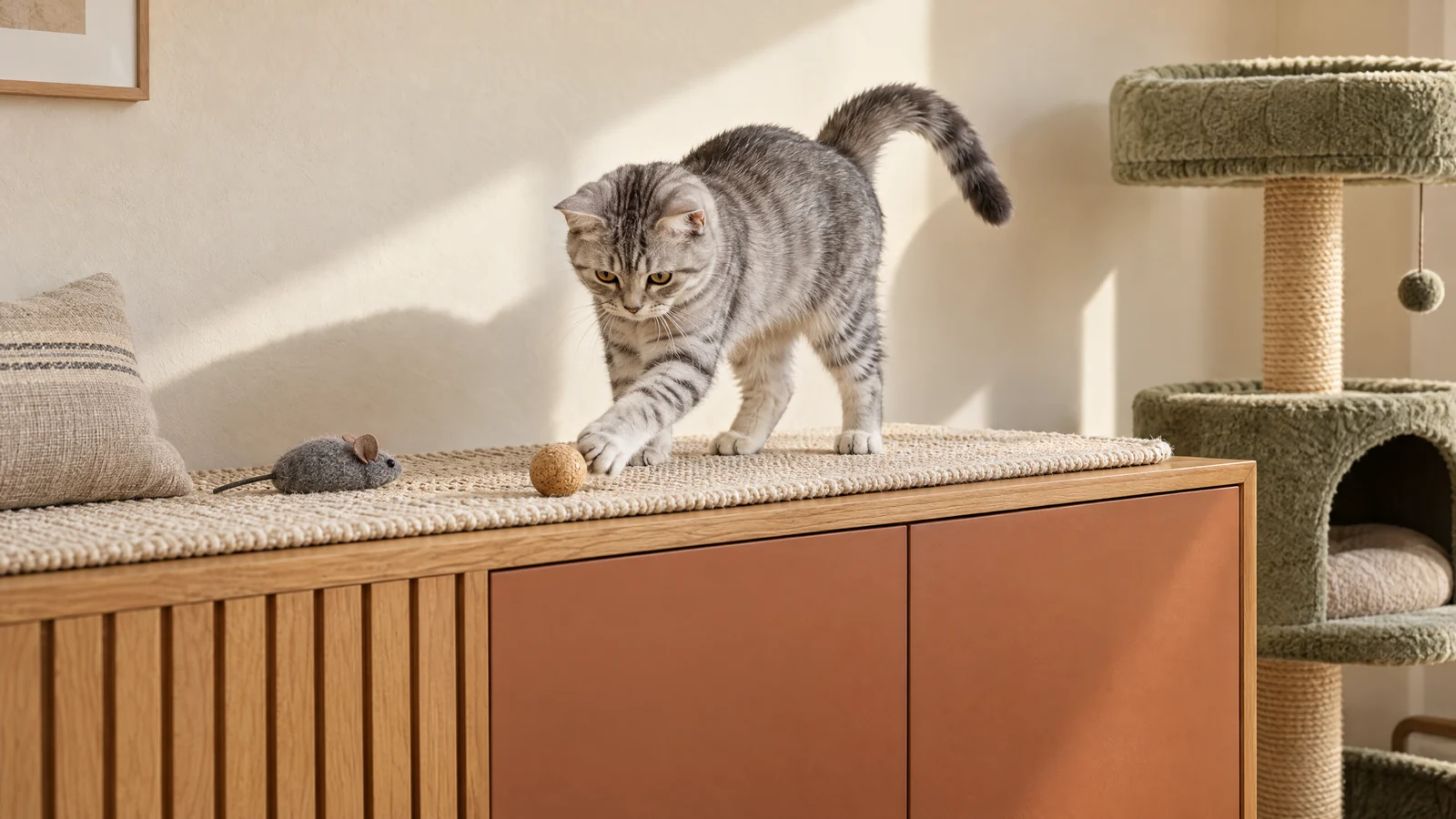
Cats, Tabletop Objects, and the Stories We Tell
A cat batting something from a table sits at the meeting point of feline curiosity and human expectations. The familiar question opens a wider conversation about play, attention, and the meanings people give to everyday behaviour.
Read this article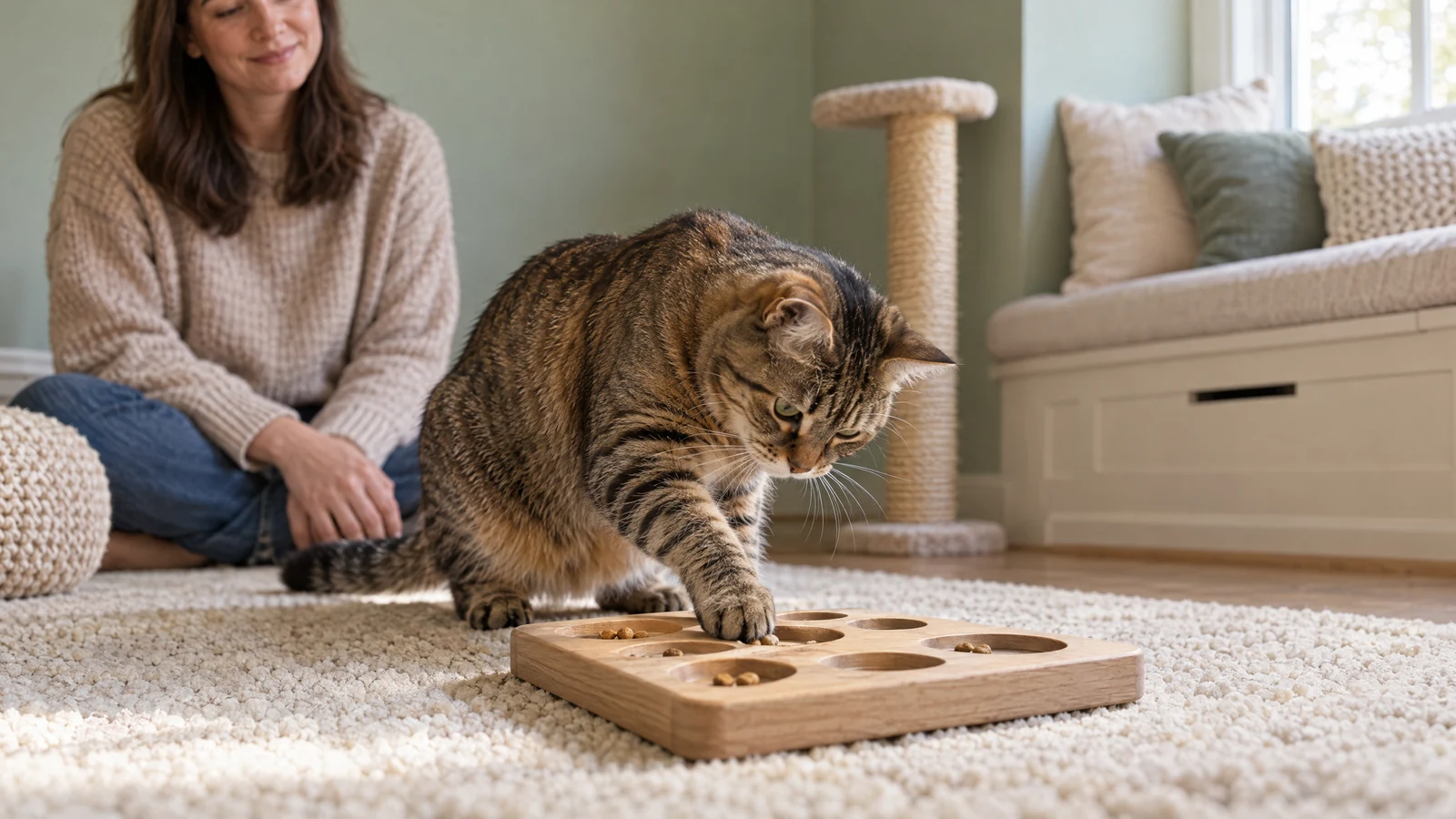
Behavior, Training & Enrichment · 6 May 2026
Cat Puzzle Toys and the Meaning of Play
A reflective look at cat puzzle toys, the language surrounding them, and the place of a single object within the larger idea of an indoor home.
Read this article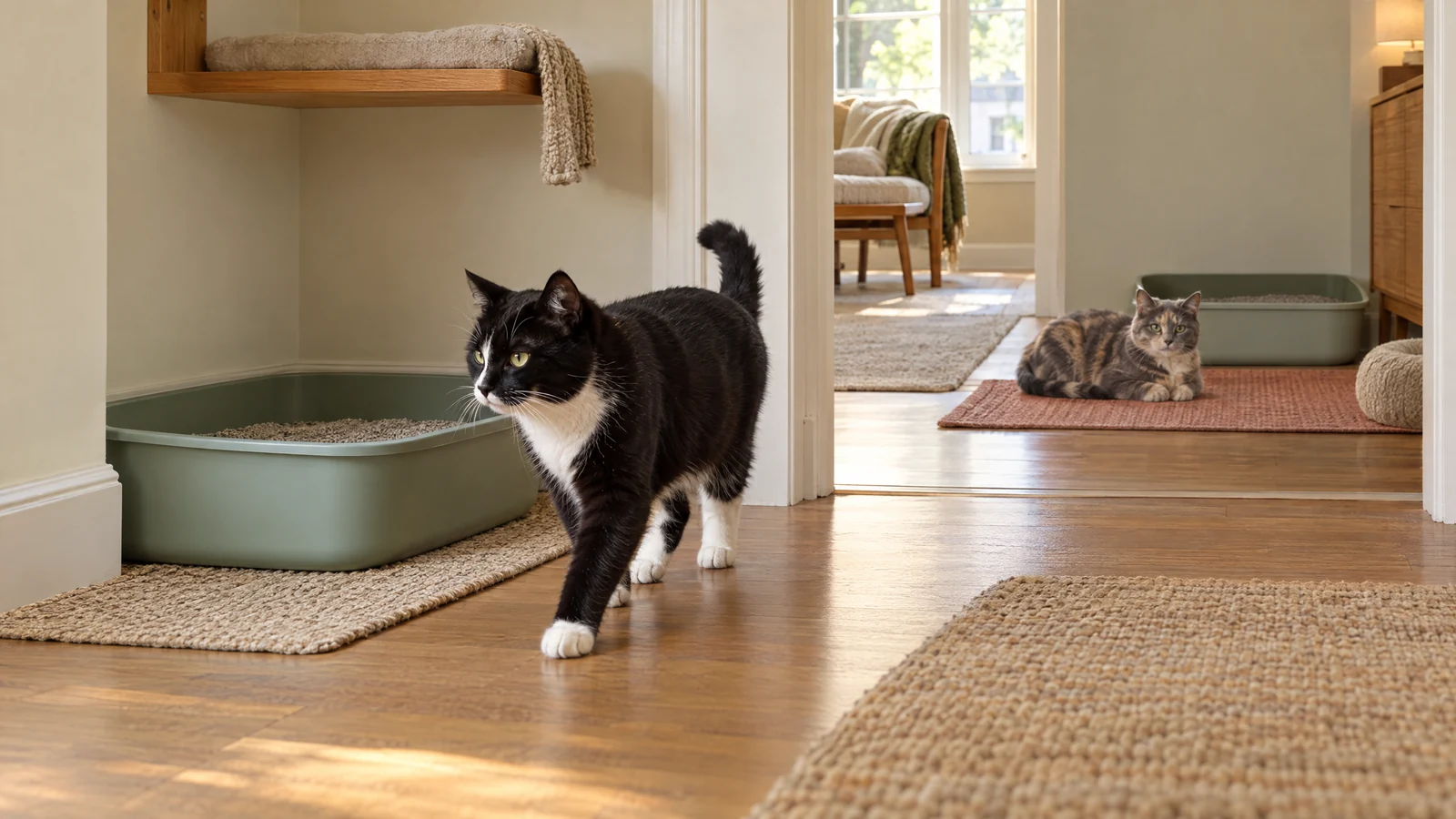
Behavior, Training & Enrichment · 4 May 2026
Litter Boxes and the Shared Geography of a Multi-Cat Home
A reflection on litter boxes as part of shared domestic space, where questions of number sit alongside the quieter subjects of location, privacy, and individuality.
Read this articleA place for their story
Remember a life, one link at a time.
Explore Paw & Memory at the address below, or scan the QR code to open the memorial starting point in your browser.
Explore memorials Scan or visitpawmemory.live/