
Paw & Memory Journal · Behavior, Training & Enrichment
Adult Dogs and the Meaning of Social Life
A reflection on adult-dog socialisation, the language of puppyhood, and the expectations people bring to everyday encounters.
13 April 2026
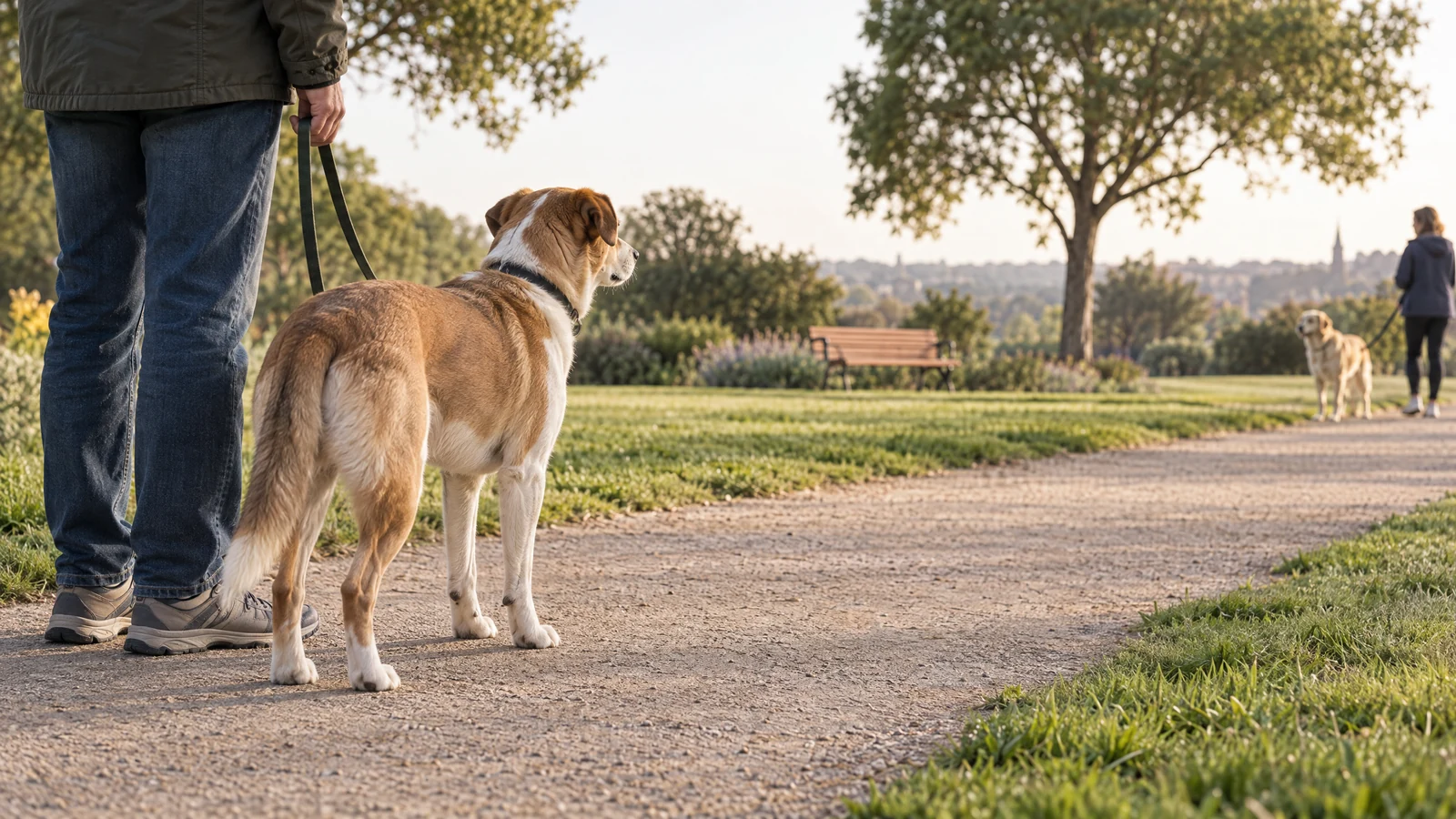
Adult-dog socialisation is often discussed through the lens of puppyhood. A broader view makes room for questions about companionship, public spaces, and the difference between a social life and constant sociability.
Adult-dog socialisation is a subject surrounded by expectations about puppyhood. The phrase missed puppy period can make an adult dog’s history sound like an unfinished assignment. Yet a discussion of adult social life need not become a judgment about what happened earlier. The subject also invites reflection on what people mean by sociability, what they imagine a companion animal’s public life should look like, and how much emphasis they place on greetings. These are questions about human expectations as well as the language used to describe dogs.
Socialisation and sociability are often treated as interchangeable ideas in everyday conversation. One names a broad subject involving encounters and experience; the other commonly suggests an outgoing disposition. That distinction matters to the discussion, without establishing anything about a particular animal. A pavement, a café, and a shared doorway each offer a different setting for the idea of social life. Friendship is only one way people frame those spaces. Coexistence, familiarity, and the absence of direct interaction also belong in the vocabulary of companionship.
The language of a missed opportunity can bring an unnecessary sense of finality to this subject. Descriptions such as behind, unsuccessful, or not social enough turn a complex topic into a comparison with an imagined standard. A more open account leaves room for an adult dog’s earlier history without inventing an explanation for it. It also separates educational discussion from individual interpretation. A general article cannot establish the meaning of a particular encounter, and individual questions belong with a qualified veterinary professional.
At its heart, this topic concerns the place adult dogs occupy in a human social world. Public life often comes with an image of the companion who welcomes every introduction and belongs effortlessly in every gathering. Reflection offers a different lens: not a method for producing that image, but an examination of why it carries so much weight. An adult dog’s social life can remain a meaningful subject without becoming a project, a score, or a promise about the future. There is warmth in making room for companionship beyond the ideal of constant sociability.
Continue reading
Related articles.
Behavior, Training & Enrichment · 8 May 2026
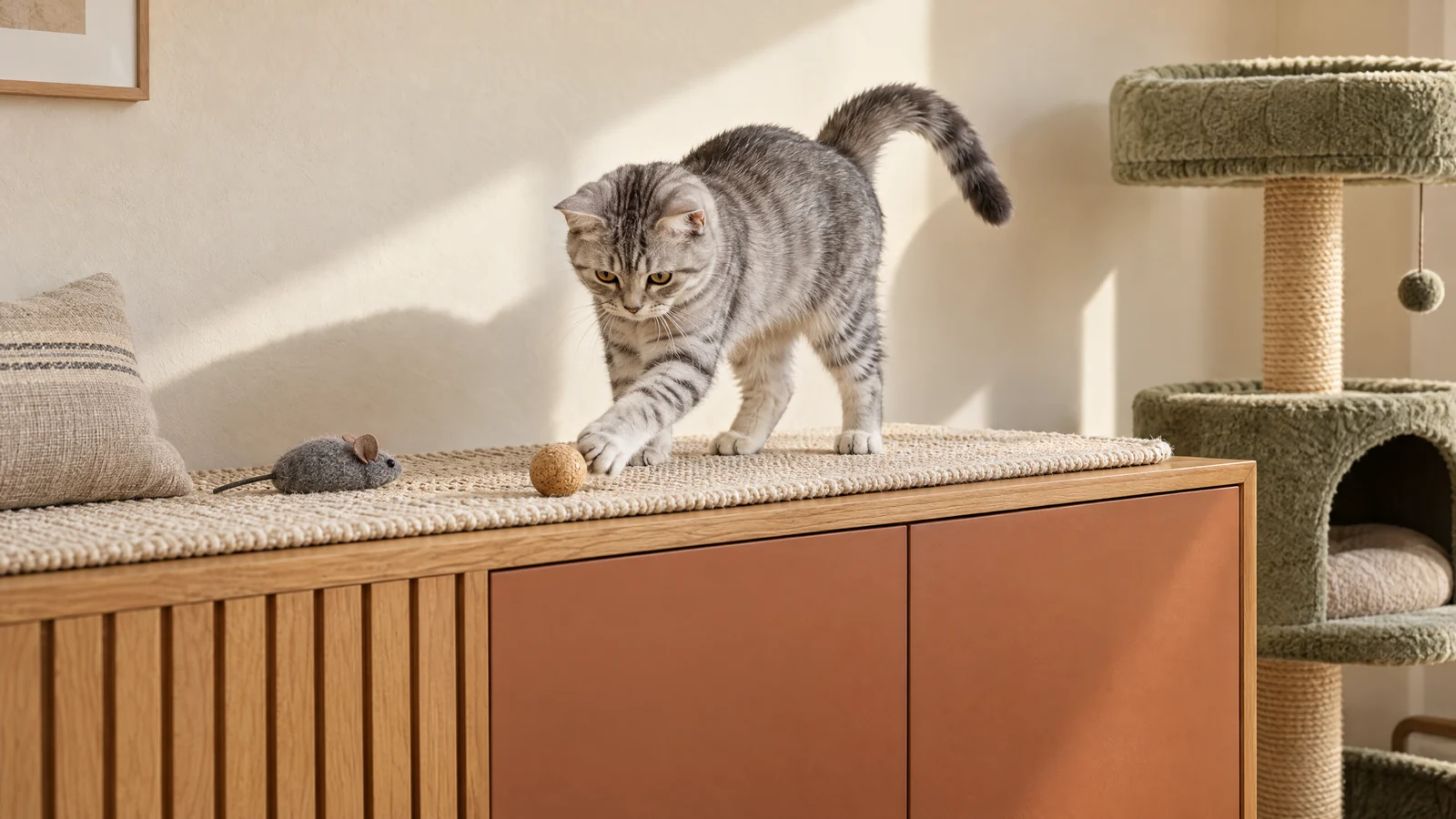
Cats, Tabletop Objects, and the Stories We Tell
A cat batting something from a table sits at the meeting point of feline curiosity and human expectations. The familiar question opens a wider conversation about play, attention, and the meanings people give to everyday behaviour.
Read this article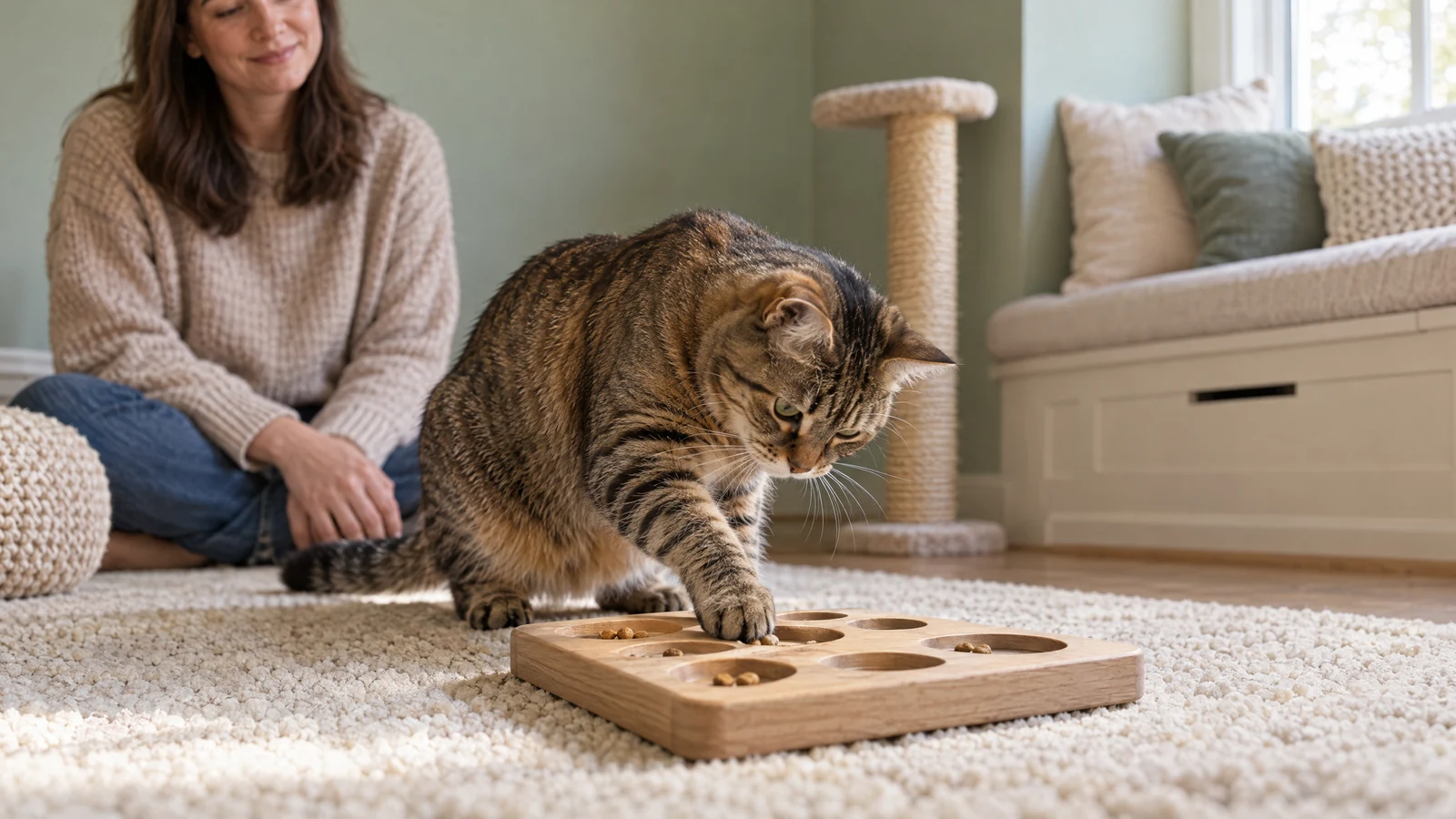
Behavior, Training & Enrichment · 6 May 2026
Cat Puzzle Toys and the Meaning of Play
A reflective look at cat puzzle toys, the language surrounding them, and the place of a single object within the larger idea of an indoor home.
Read this article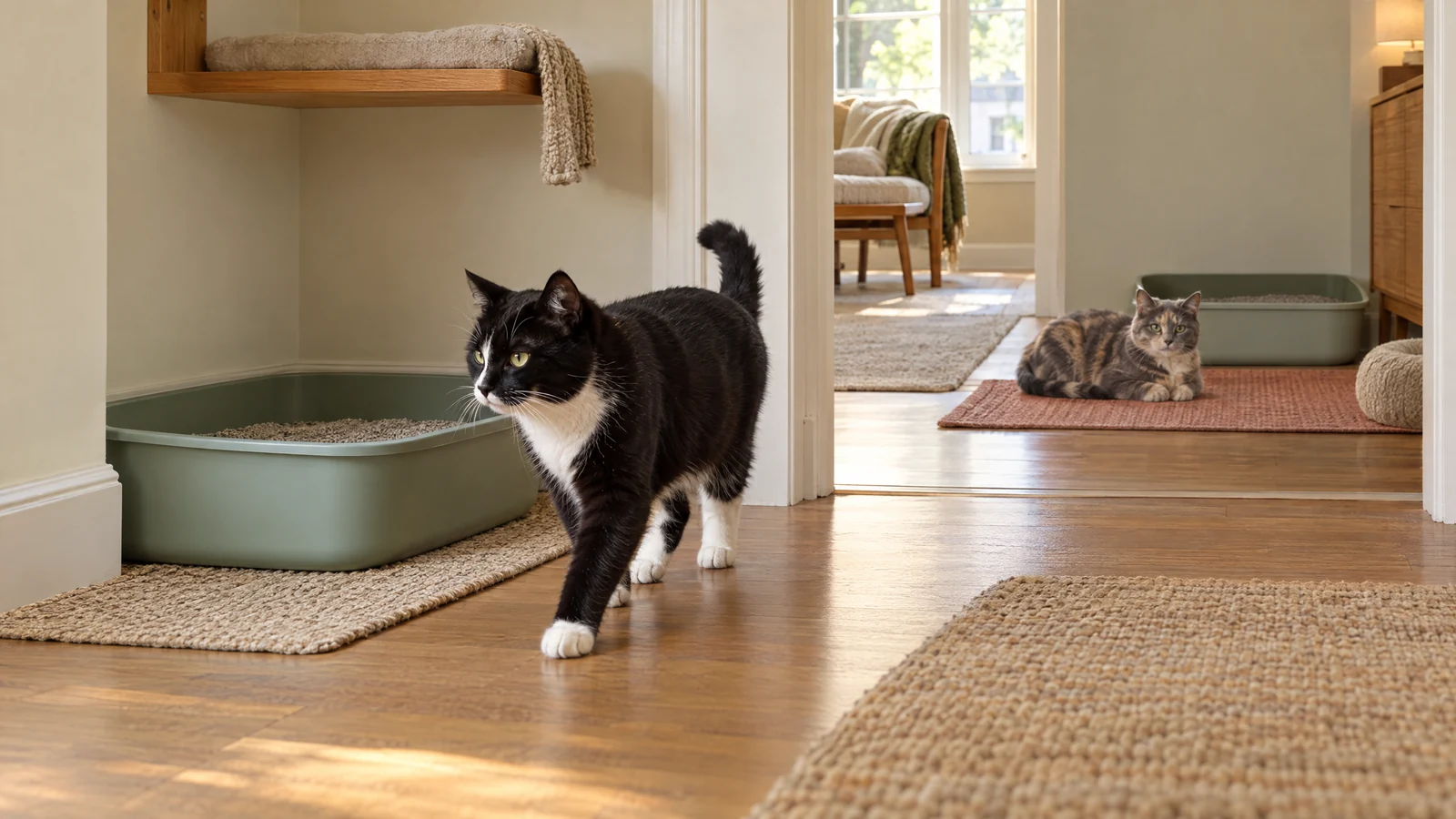
Behavior, Training & Enrichment · 4 May 2026
Litter Boxes and the Shared Geography of a Multi-Cat Home
A reflection on litter boxes as part of shared domestic space, where questions of number sit alongside the quieter subjects of location, privacy, and individuality.
Read this articleA place for their story
Remember a life, one link at a time.
Explore Paw & Memory at the address below, or scan the QR code to open the memorial starting point in your browser.
Explore memorials Scan or visitpawmemory.live/