
Paw & Memory Journal · Behavior, Training & Enrichment
The Meaning Behind a Dog’s Leave-It Cue
A reflection on the language of leave it, the distinction between everyday cues, and the place of welfare in conversations about dogs and their people.
15 April 2026
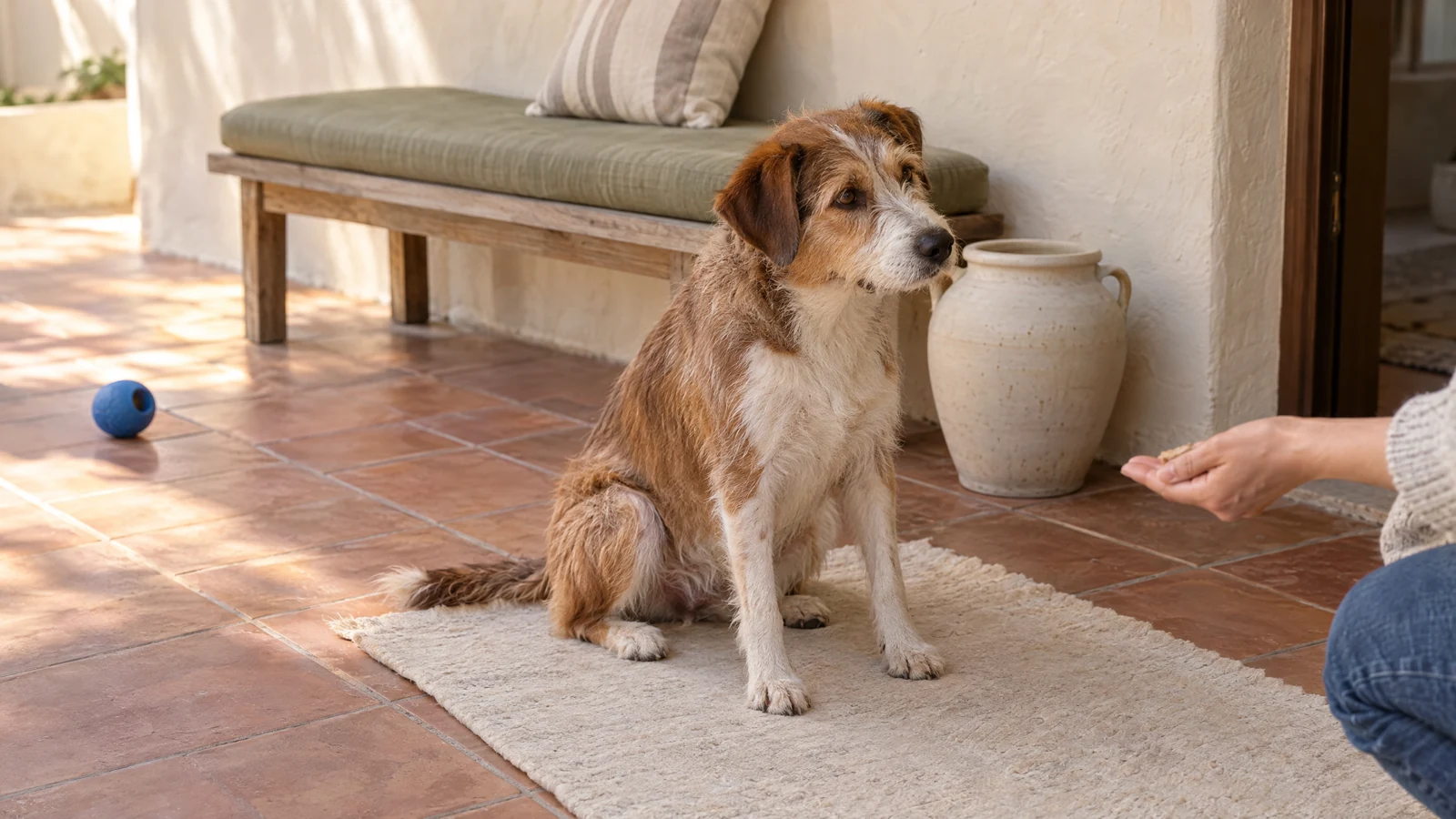
Leave it is a small phrase with a particular meaning in writing about dogs. Looking at its language, rather than turning it into instructions, offers space to reflect on communication, expectations, and the relationship between people and animals.
The phrase leave it belongs to the everyday vocabulary of life with dogs. In educational writing, it names a cue associated with leaving an object alone, rather than releasing something already held in the mouth. That distinction is the central subject here: a few familiar words can represent quite different requests. Away from a practical lesson, the phrase offers a way to reflect on how people describe their expectations of animals. Its brevity can make it sound simple, yet the language surrounding it deserves more care than a quick instruction might suggest.
Leave it and drop it are often discussed together, but they refer to different moments. The first concerns an object not yet taken; the second concerns an object already held. These are definitions of the cues, not claims about what any dog will do on hearing them. Keeping those meanings separate gives a general discussion greater clarity without turning it into a programme. It also leaves room for an important distinction between describing a request and reporting an animal’s response. A familiar phrase is a label for an intended interaction, not a promise about its outcome.
Reward-based training is another term closely connected with this subject in welfare-focused educational writing. Here, it remains a topic for reflection rather than a method to carry out. The broader conversation concerns the values expressed in accounts of human–animal relationships: patience, care, and attention to the animal’s place in the exchange. Words such as obedience, choice, and communication bring different emphases to that conversation. An article can examine those emphases without endorsing a technique, assigning motives to a dog, or presenting an ordinary interaction as evidence of a particular result.
A public reflection on leave it therefore has a different purpose from a training guide. It can explain the phrase, preserve the distinction between related cues, and consider the expectations carried by everyday language. It need not convert that understanding into exercises or individual guidance. Questions about a particular animal belong with a qualified veterinary professional. At the level of general education, this small piece of vocabulary invites a thoughtful view of companionship: the words people use matter, and there is value in describing them with warmth, precision, and modest expectations.
Continue reading
Related articles.
Behavior, Training & Enrichment · 8 May 2026
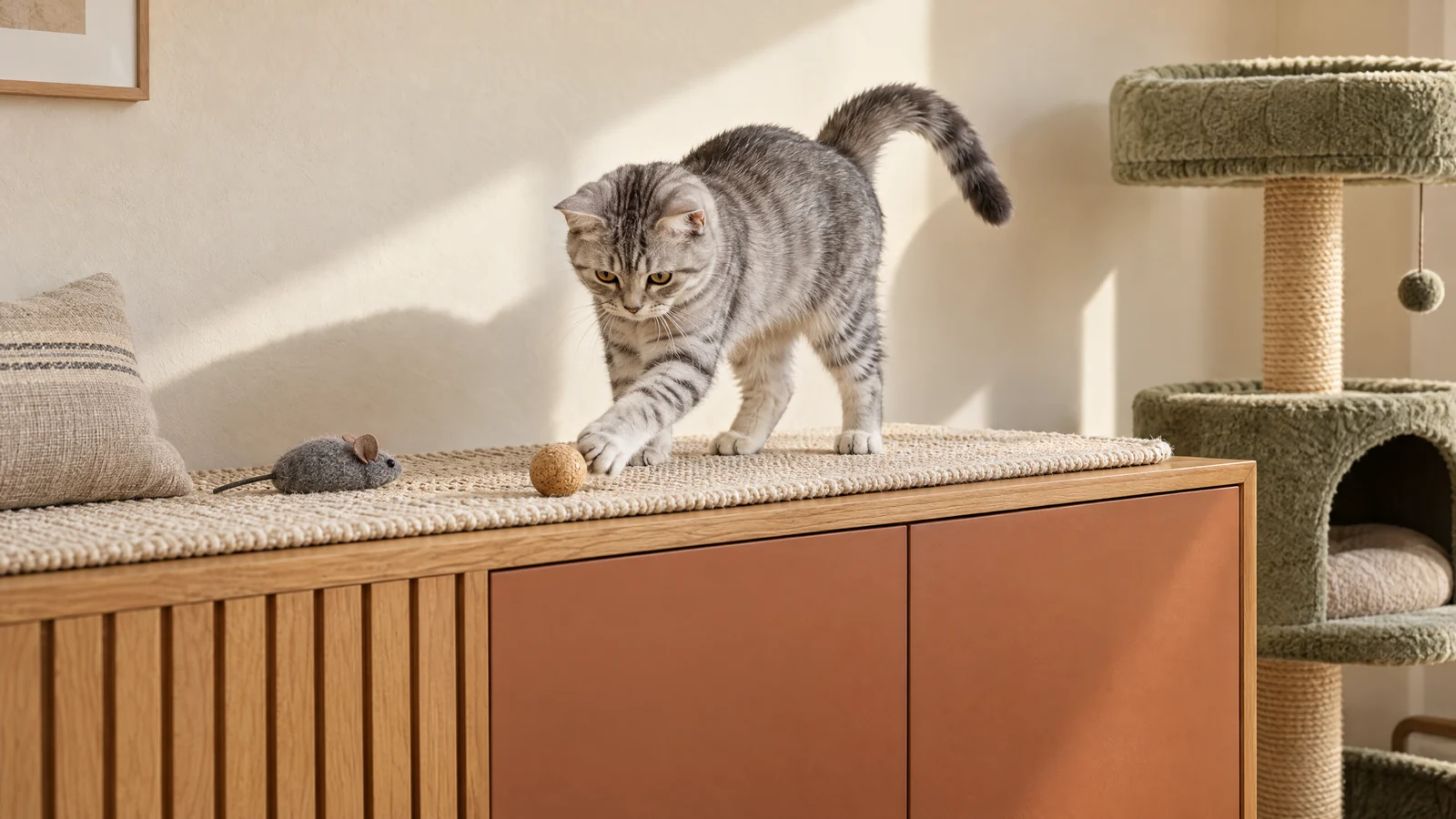
Cats, Tabletop Objects, and the Stories We Tell
A cat batting something from a table sits at the meeting point of feline curiosity and human expectations. The familiar question opens a wider conversation about play, attention, and the meanings people give to everyday behaviour.
Read this article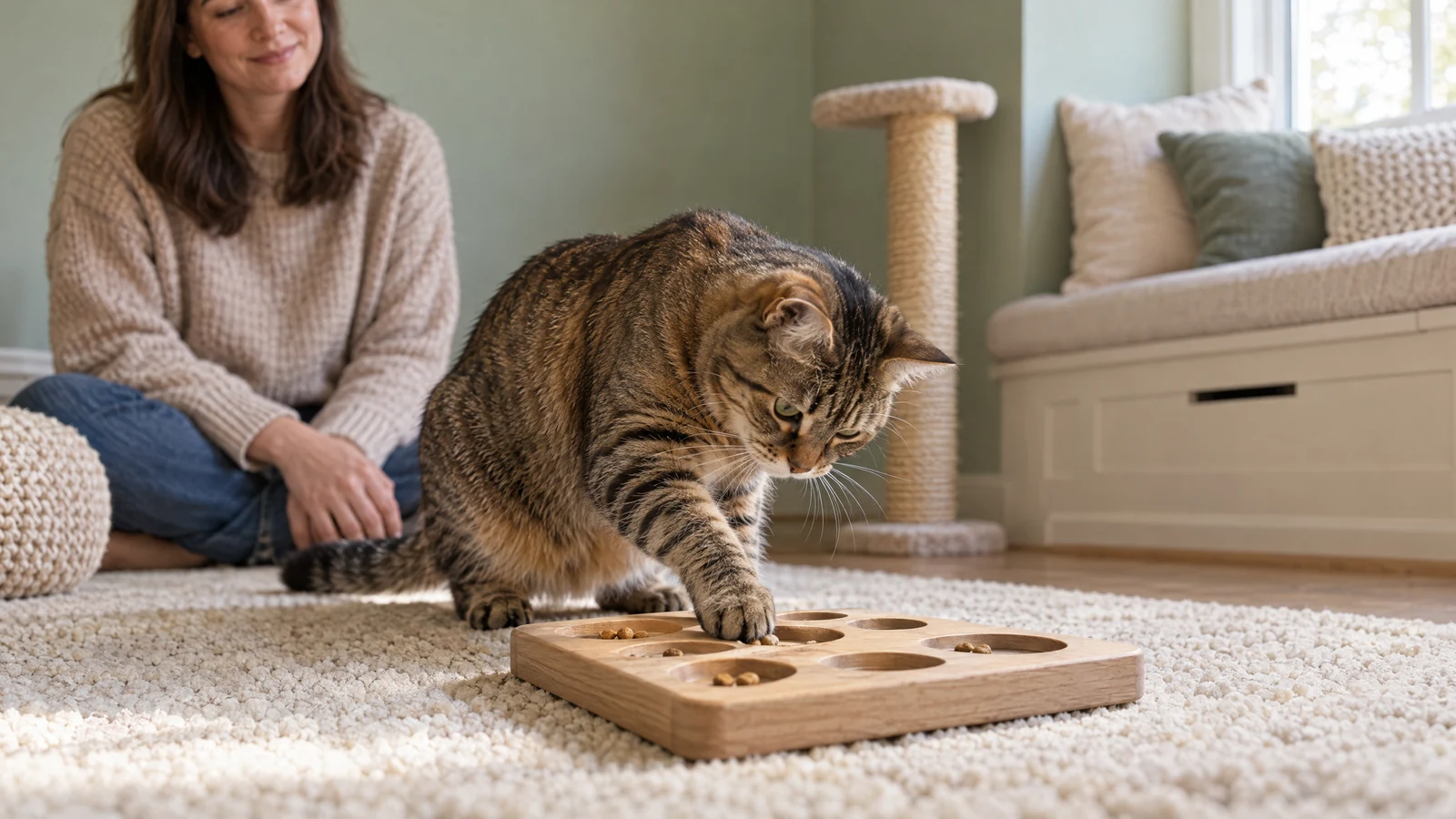
Behavior, Training & Enrichment · 6 May 2026
Cat Puzzle Toys and the Meaning of Play
A reflective look at cat puzzle toys, the language surrounding them, and the place of a single object within the larger idea of an indoor home.
Read this article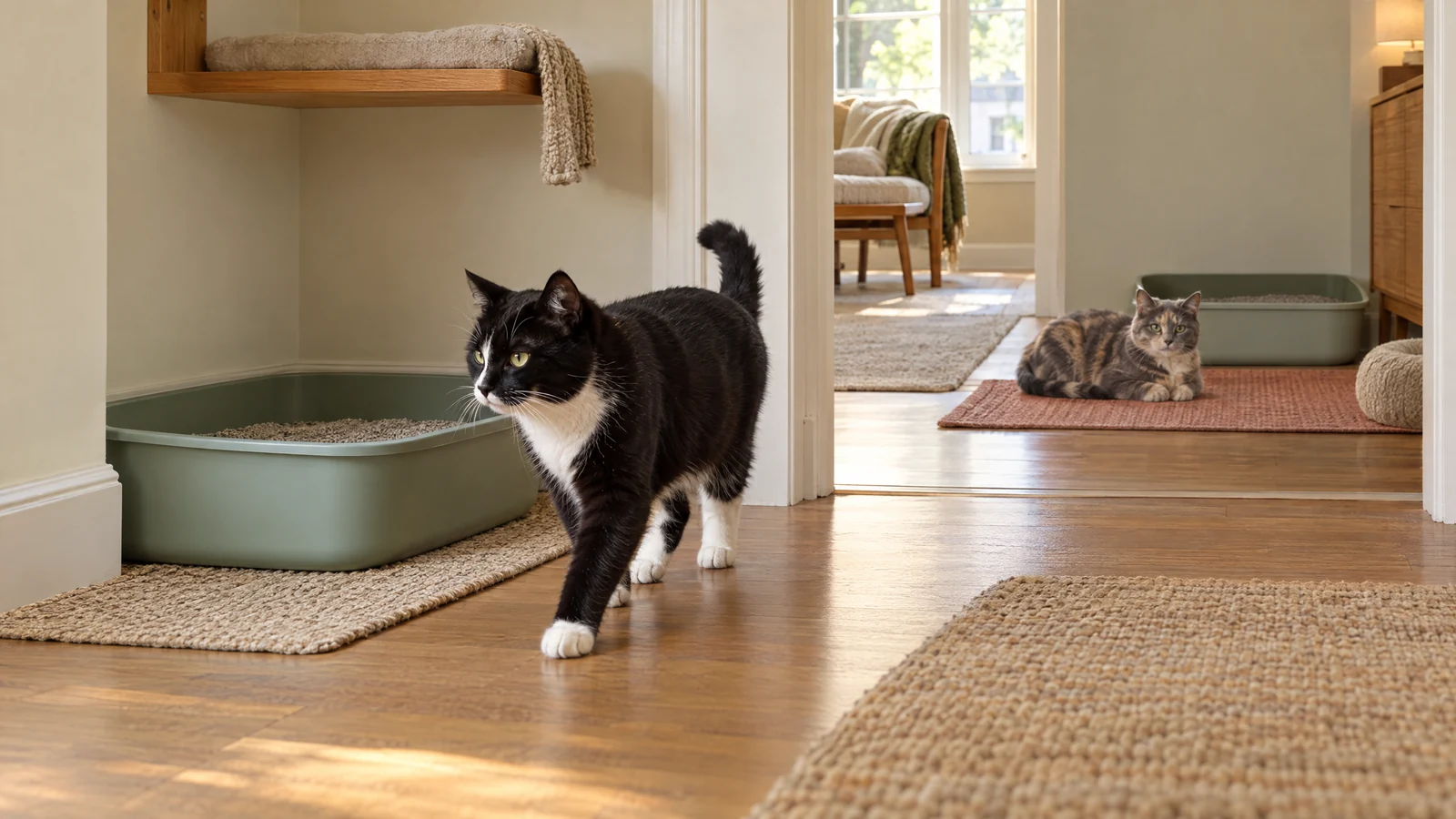
Behavior, Training & Enrichment · 4 May 2026
Litter Boxes and the Shared Geography of a Multi-Cat Home
A reflection on litter boxes as part of shared domestic space, where questions of number sit alongside the quieter subjects of location, privacy, and individuality.
Read this articleA place for their story
Remember a life, one link at a time.
Explore Paw & Memory at the address below, or scan the QR code to open the memorial starting point in your browser.
Explore memorials Scan or visitpawmemory.live/